
The Antique Boat Museum in Clayton, NY: Learning the History of the 1000 Islands, One Boat at a Time
You’ll find the Antique Boat Museum right on the St. Lawrence River in Clayton, New York. It’s widely considered to be one of the top freshwater boating museums in North America, and that’s because they’ve got over 320 unique boats, and thousands upon thousands of artifacts. It’s not just about the boats however, it’s about how the prominence of boating in this region shaped the area and, conversely, how this region changed boating around the world.
I’ve always had a penchant for unique museums. The reality is that highly specific museums, on paper, appear to tell one particular story, but once you dive into that story, it becomes clear that the story you thought you were there to discover is actually emblematic of many, larger stories.
All that to say, when you visit a spot like the Antique Boat Museum in Clayton, New York, you may think you’re about to nerd out on some boats (and if that’s your goal, not to worry - you will, I promise), but the larger story here is the importance of boating to the cultural history of this region, and in particular, how two nations have shared, appreciated and navigated one river, the St. Lawrence.
And, I would also venture to say that this museum, and the 1000 Islands Region at large, is emblematic of the idea of a “two nation destination.” Both Canadians and Americans appreciate both sides of the border in these parts — with folks from Clayton going to yoga in Kingston or to the 1000 Island Playhouse in Gananoque, and folks from the Canadian side heading down for brunch in Clayton or the surrounding area.
I can only speak for Bri and I when saying that when we visited Clayton, we felt warmly welcomed, and many individuals went out of their way to show a genuine kindness and hospitality that we simply wouldn’t have felt had we chosen to stay in our living room, feeling the weight of the day’s headlines.
We love the 1000 Islands Region, quite honestly, and the people that make up this region. This museum is an awfully good place to feel some of the passion that locals have for the region’s history, as well as what makes this region different than anywhere else.
*Please note that this article contains affiliate links. Simply put, this means we may receive a small commission for some of our honest recommendations in this article at no additional cost to you.
So, Firstly, What is the Antique Boat Museum All About?
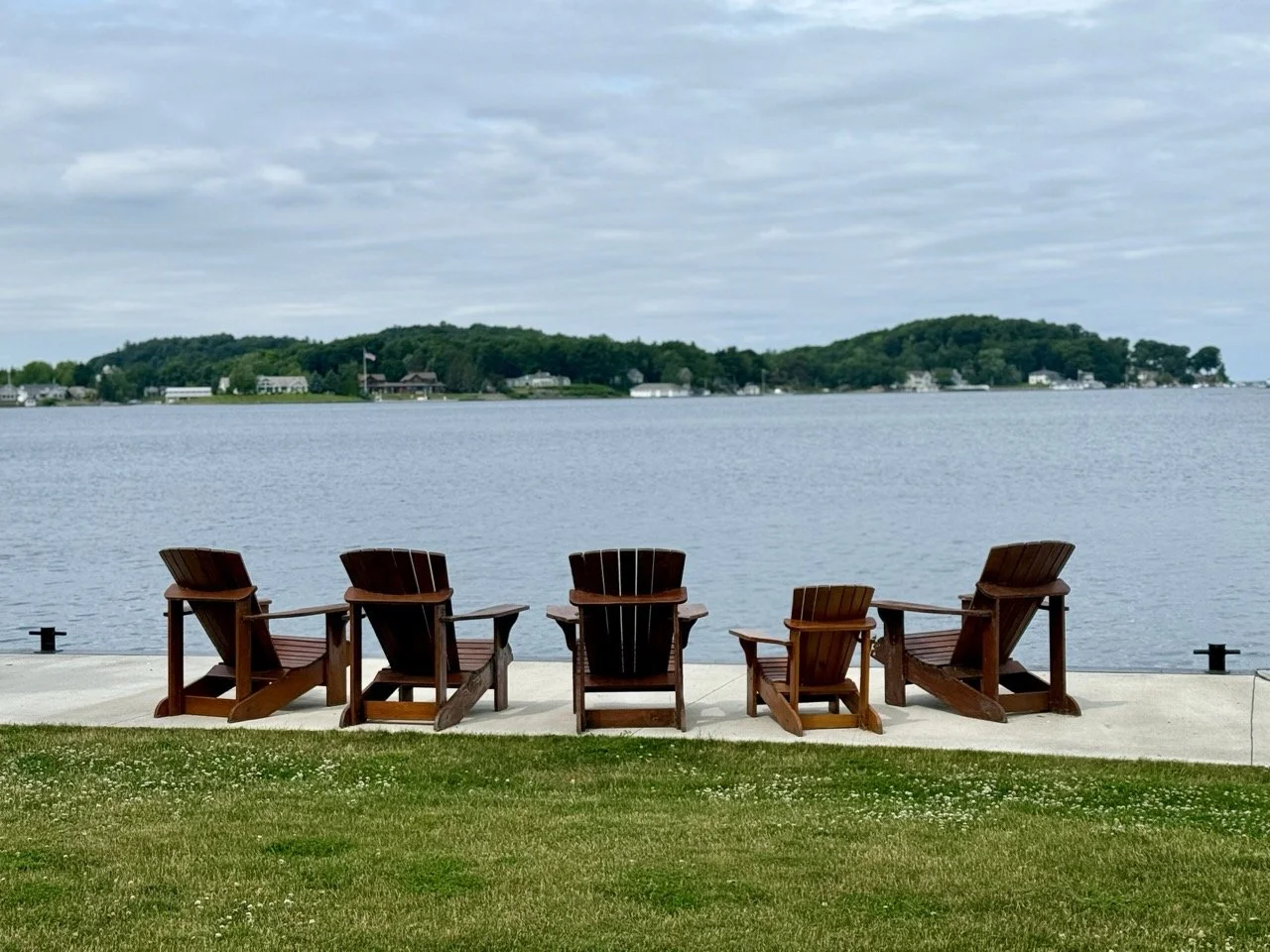
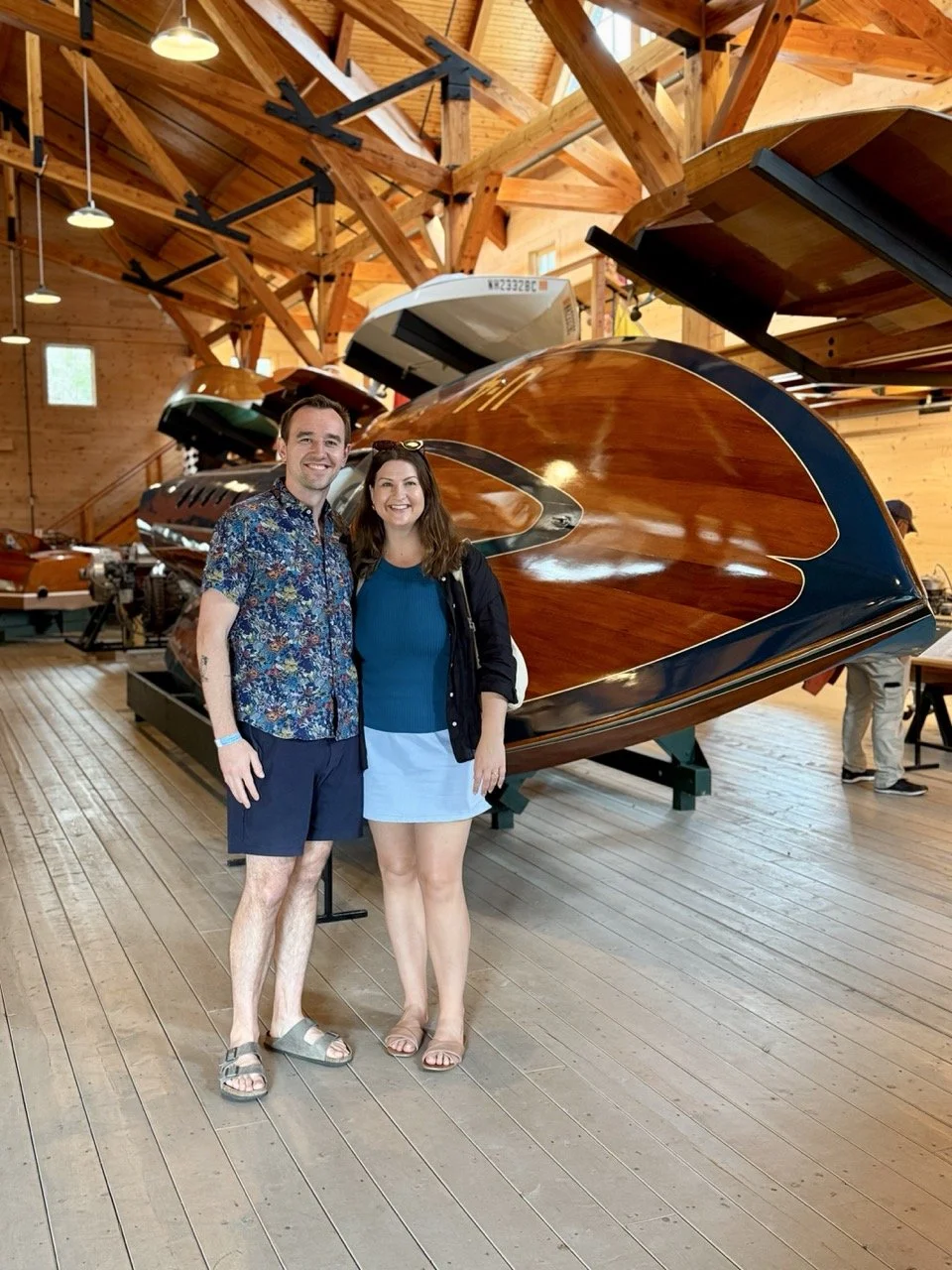
The name of the museum, of course, gives you a rather good clue. The short version is that they collect, interpret, and celebrate boats and related artifacts related to the 1000 Islands and its boating history. The collection is impressive, and the volunteer staff even more so, but as former educators, what Bri and I loved most was how interactive and engaging the whole experience was.
One moment, you’re basically staring at your reflection in a wooden boat that has been waxed to perfection, and the next moment, you’re out in the water in one. They’ve also got a lot of programming for people of all ages, and I feel that puts the ABM in a position to be something of a community hub, and that’s critical in a time where it feels like we’re losing some of those communal places of meeting and learning.
From Treading Water to riding waves - the formation of the abm
It feels like a lot of good ideas came from a small, determined group of people in the 1960s, and the Antique Boat Museum is no different.
In an effort to showcase the region’s rich boating heritage, an antique boat show was launched in 1965. The show became annual, and annual shows need permanent homes — and that’s when supporters enabled what would become the museum to start acquiring waterfront property.
All of a sudden, those boats weren’t just meant to be on display, but could be restored and taken out on the water. The state of NY wanted to preserve this history too, and started to provide funding in the 80s, and by 1990, the name “Antique Boat Museum” was officially born.
The goals, property and ambition of the museum has grown steadily. They have almost 5 acres of public program space, nearly 2000 feet of dockage, almost 1500 feet of St. Lawrence River Shoreline. They also have 10 buildings on the campus, with over 60,000 feet to play with, roughly half of which is for exhibits, and half for public programming, collections storage, a library and admin space.
Importantly, the Antique Boat Museum is a non-profit, educational institution. I’m always particularly in awe of museums or institutions that are non-profit by nature, yet make a substantial economic and cultural contribution to the surrounding area. It’s not easy to be a small business these days, so if institutions like this can encourage more people to stay overnight, visit a local restaurant, a cafe, shop, or all of the above, then that’s a big deal.
What I Learned from Visiting the Antique Boat Museum (ABM)
Okay, so there are a few things that, after visiting, I’d love to share with you to help you navigate your visit.
The first thing that is worth noting is that, while the admin offices are open year-round, the full range of activities and the museum exhibits typically operate on a seasonal schedule — generally speaking, things are in full swing from early May to late October.
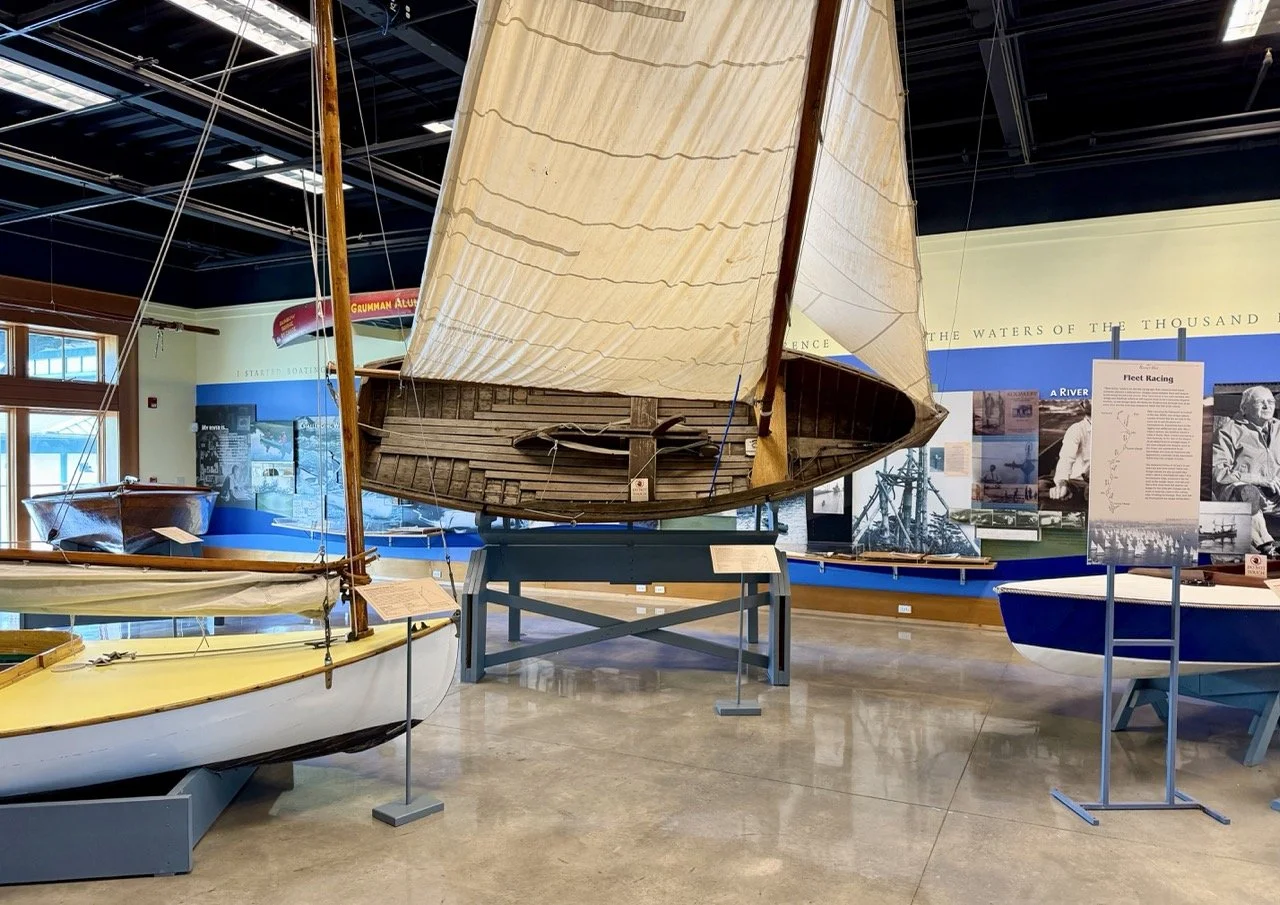
The museum is also surprisingly large, and there’s a lot to see, so I’d allocate at least 1.5 - 2 hours, and even more if you’re a boat enthusiast. You’ll start in the Haxall Building, the museum’s main building and housing exhibit space, where they’ll typically be 4 ongoing exhibits.
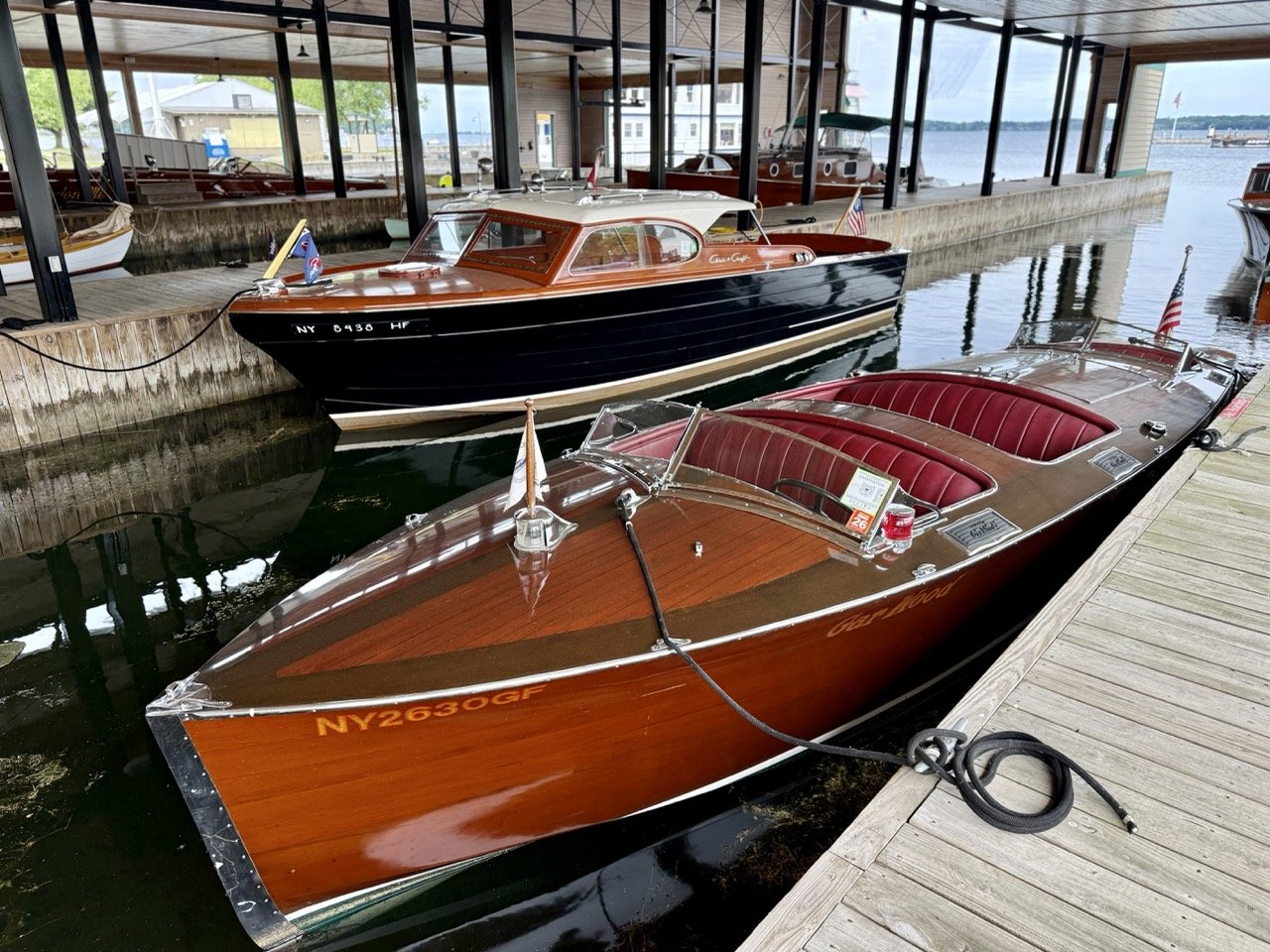
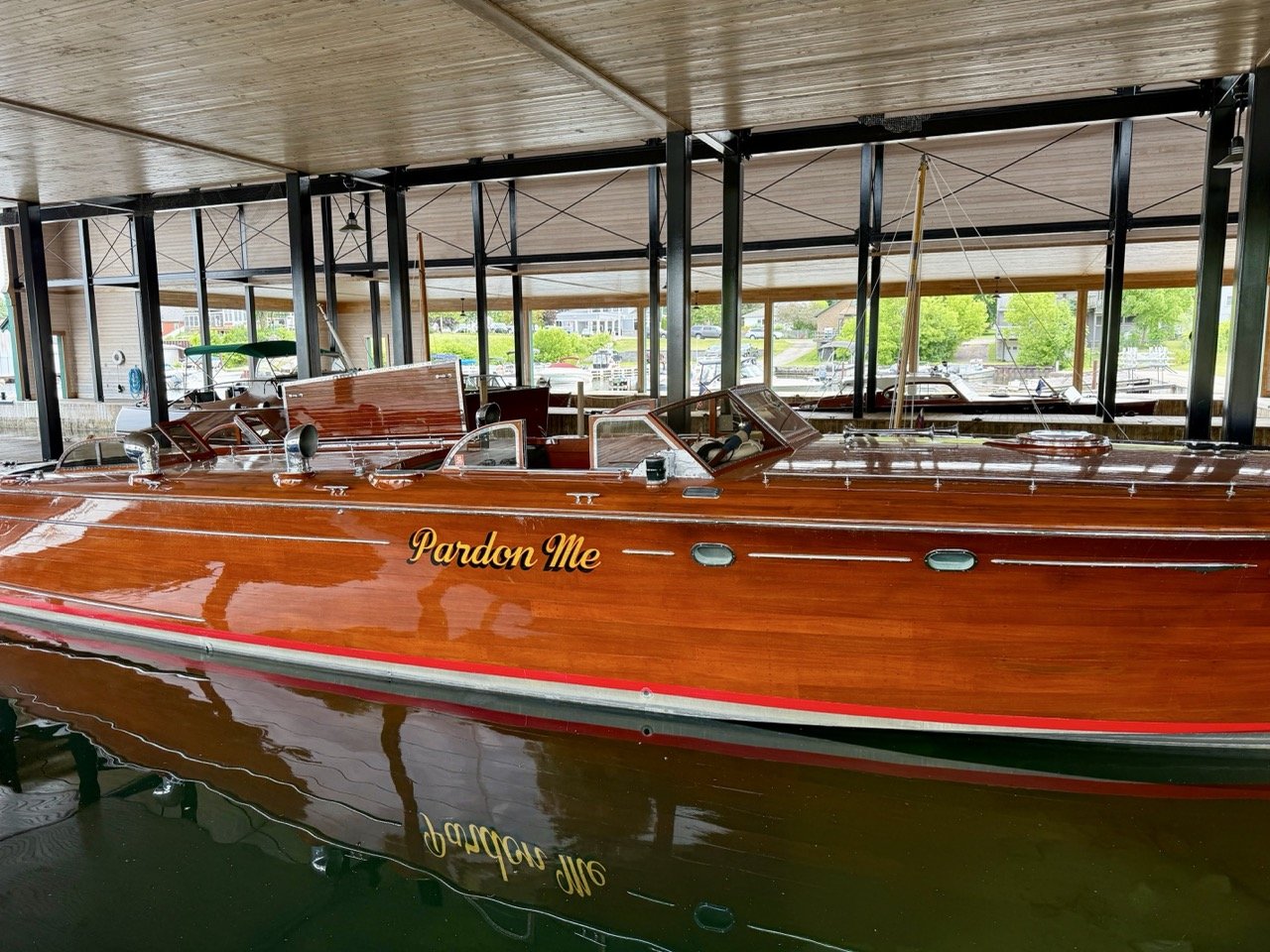
To me, the gems at the ABM are the classic wooden speedboats (which you’ll see throughout, but many of which at the Launch Building and their outdoor docks. They typically have 6 boats in water at the docks). You’ll want to look particularly for the “Gar Wood Boats,” which left us in awe, quite frankly.
Don’t let the beauty of these suggest they can’t tackle the waves, either. I’ll talk more about this shortly, but we took one of these bad boys out, and it was epic.
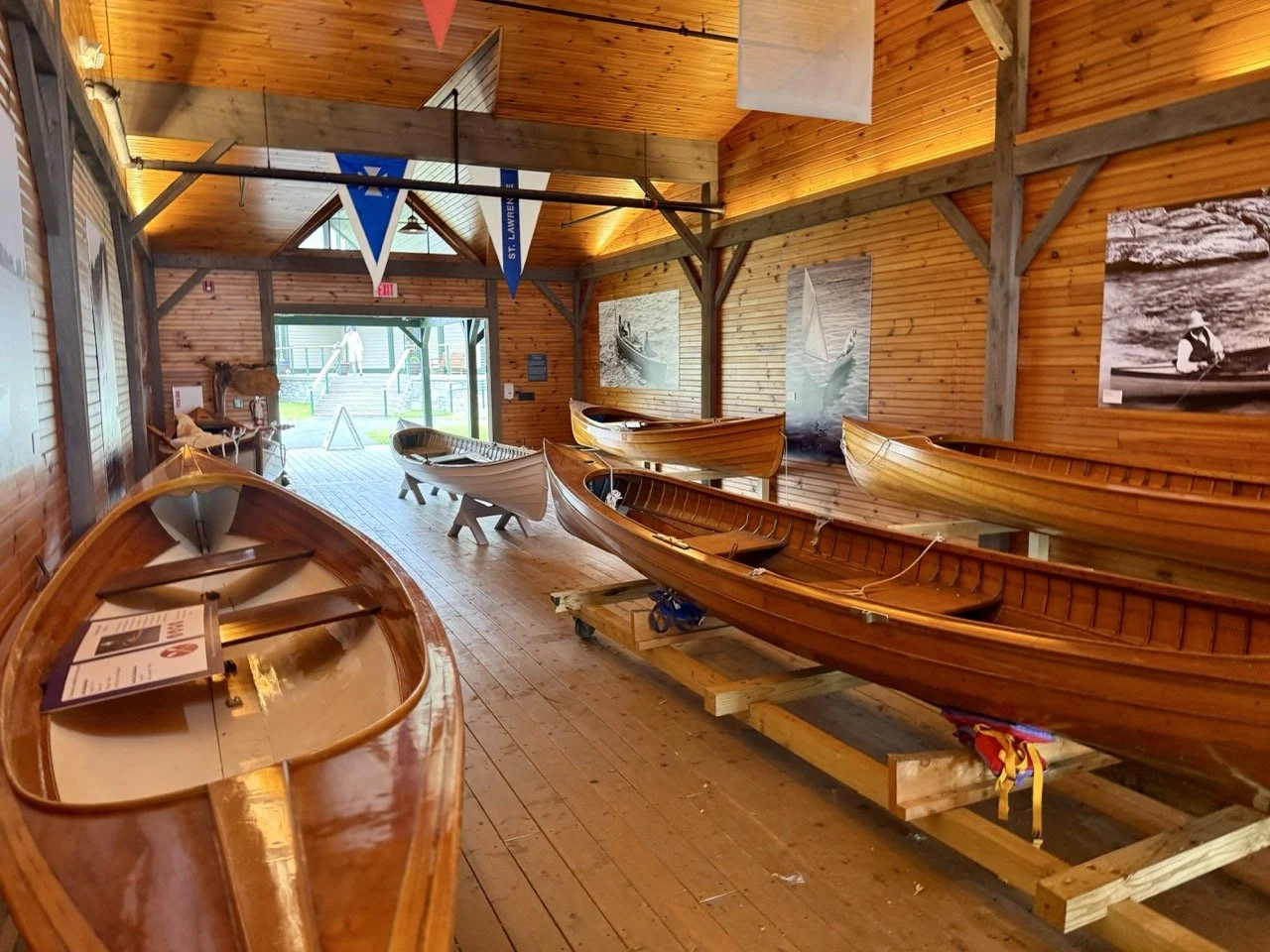
You’ll want to do the main exhibits, which are labelled quite nicely and easy to navigate, but ensure that you’re diving a little deeper, too. Personally, when Bri and I go to museums, we’re always trying to consider what we can see there that we can’t see anywhere else. In this case, we were keen to see the St. Lawrence River Skiffs, which were developed here and hugely popular before powerboats took over the wheel, no pun intended. Many of these boats are located in the Small Craft Building.
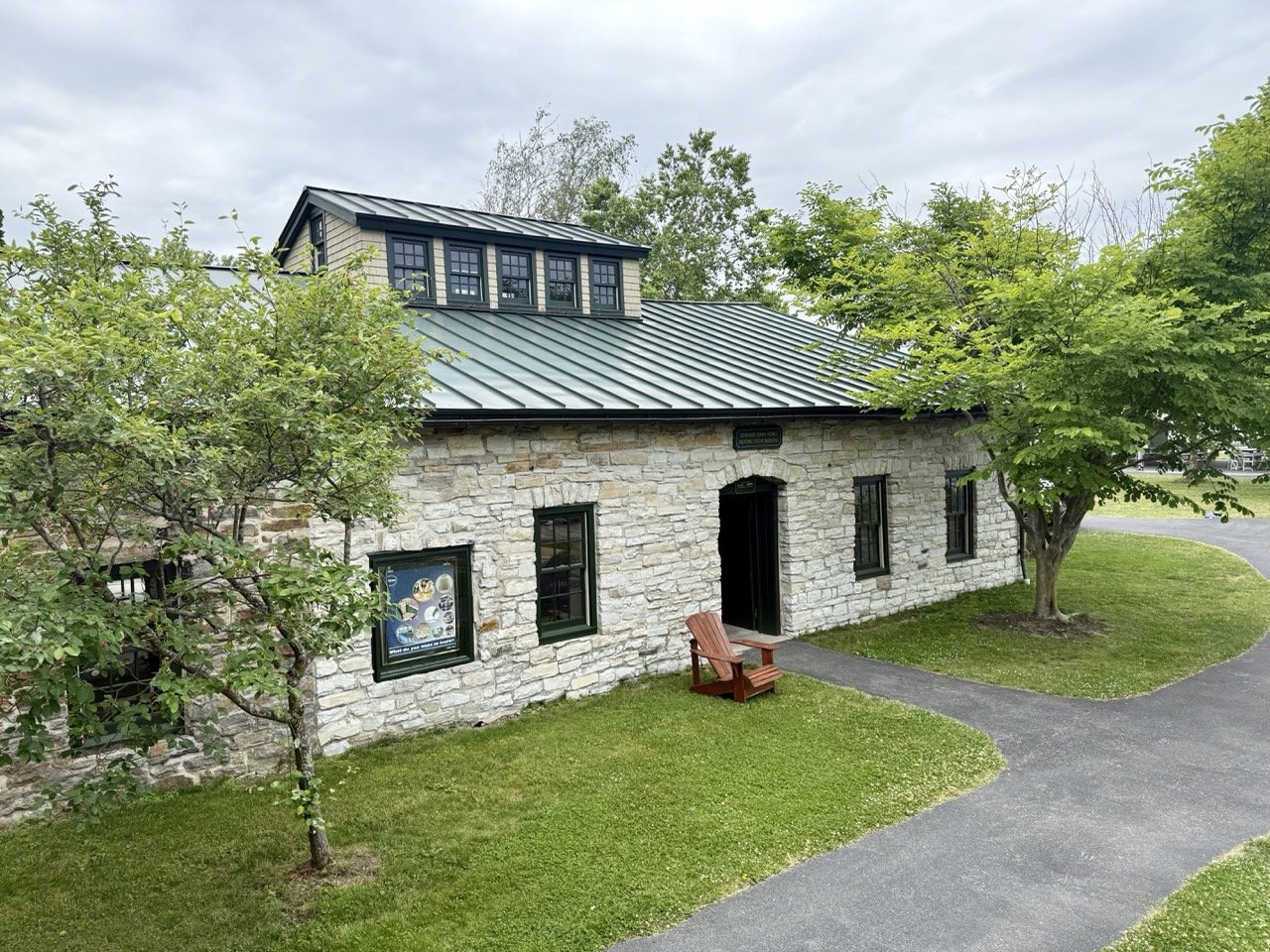
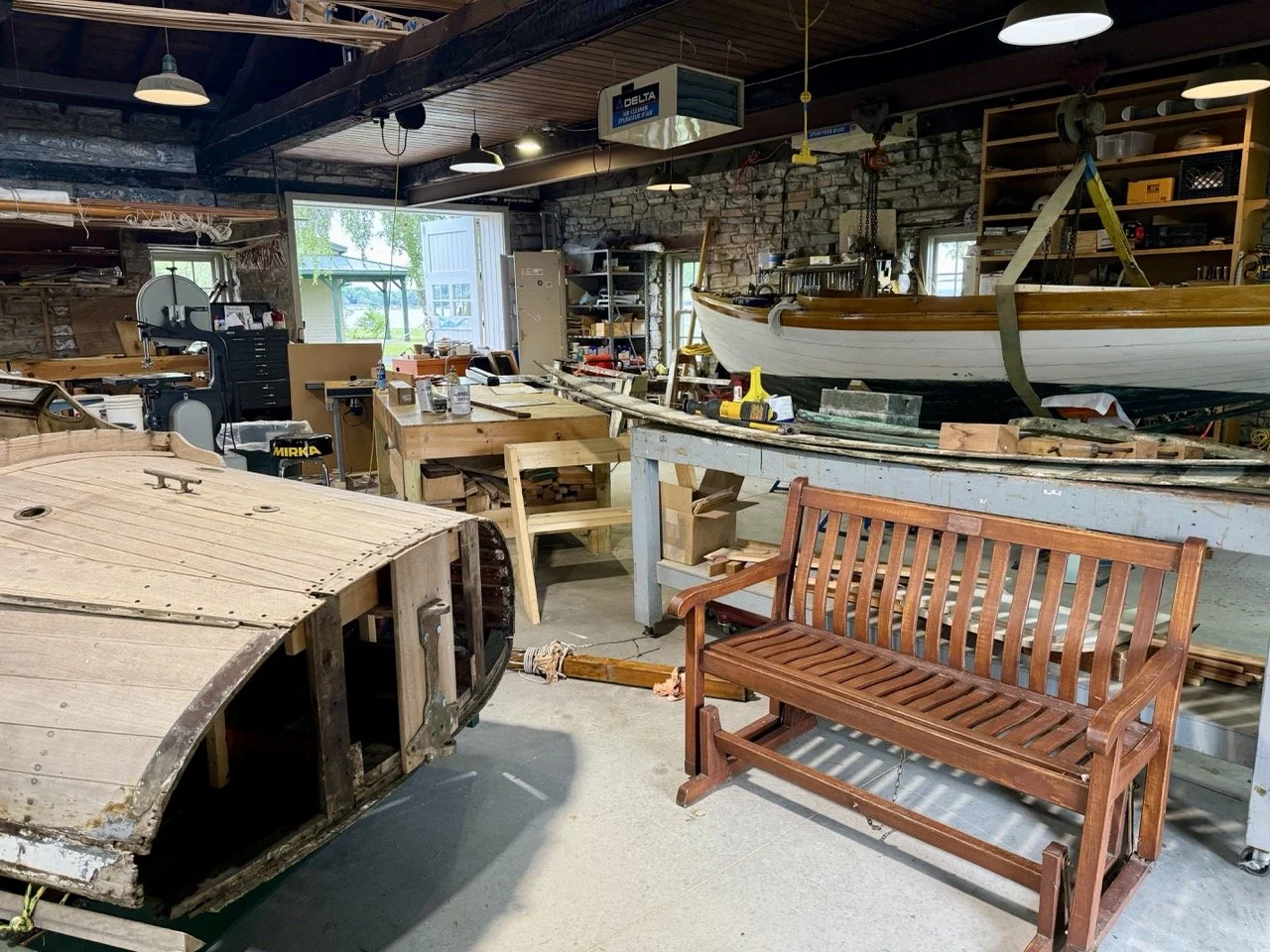
There is also an active boat shop on site where you can see wooden boats being restored. You can set eyes on boat restoration in progress at the Edward John Noble Historic Stone Building.
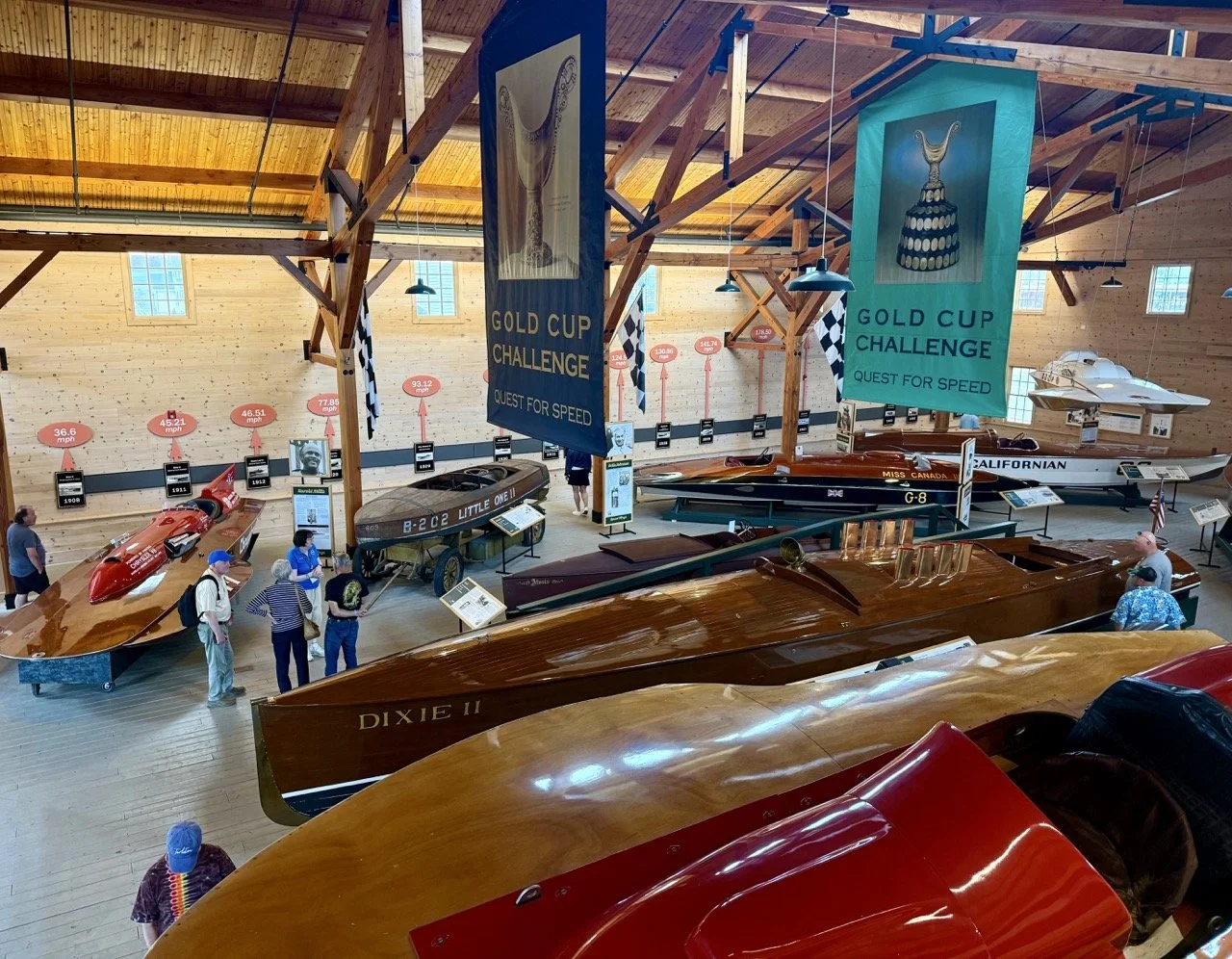
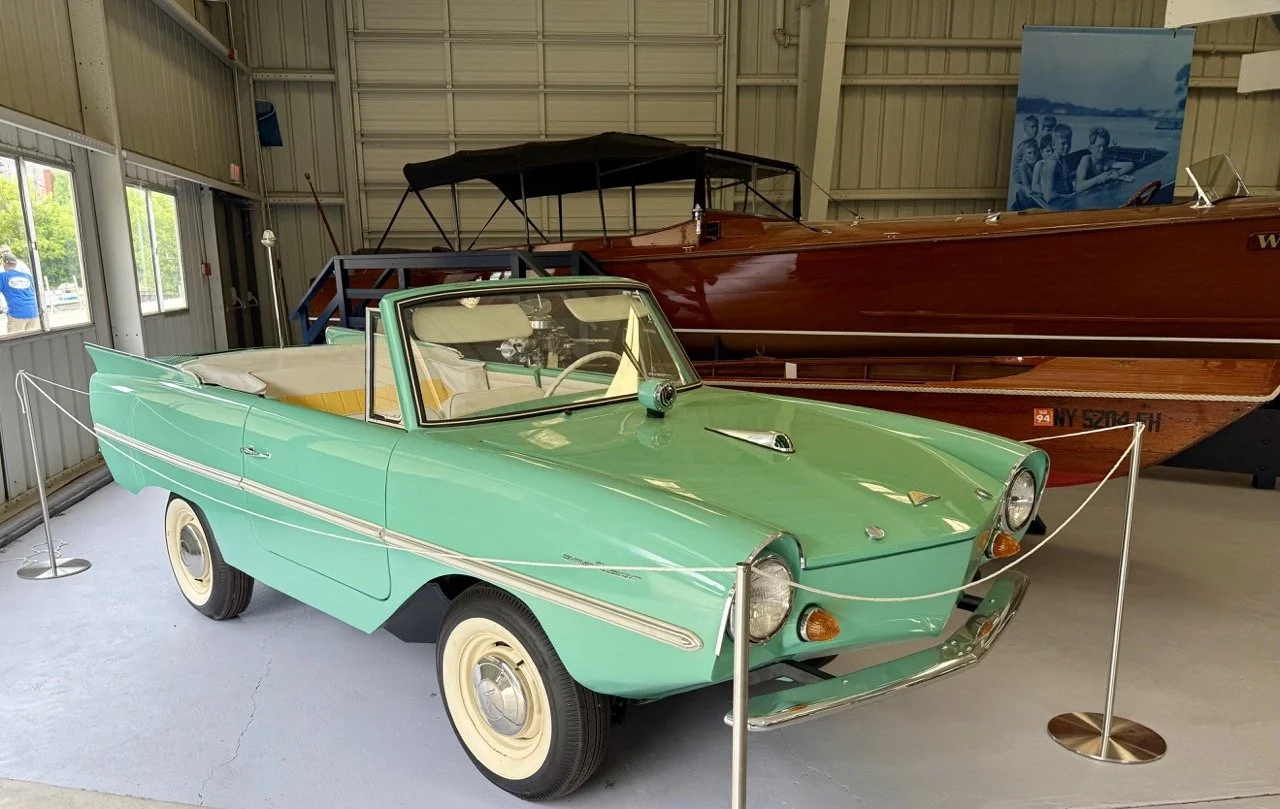
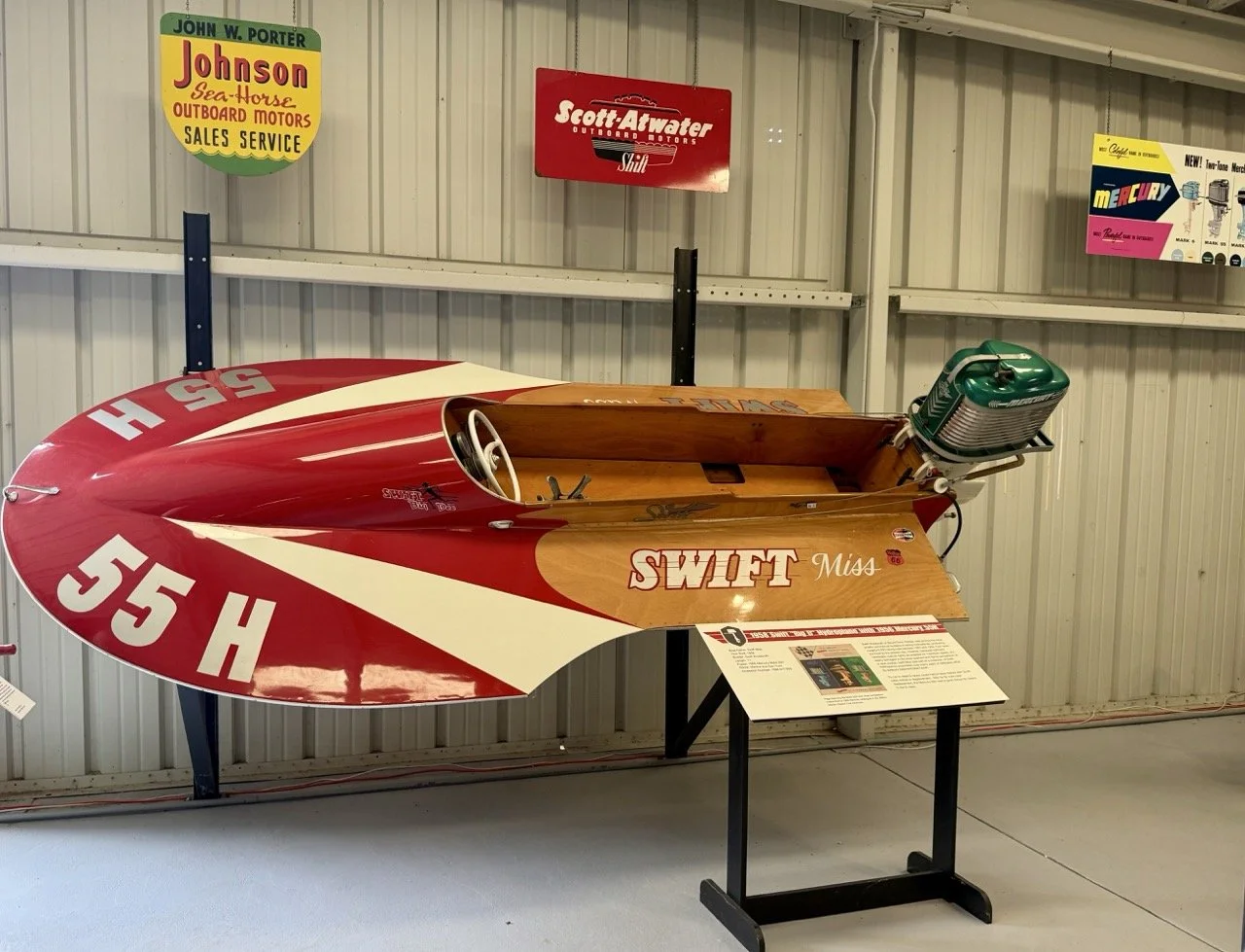
Also, don’t forget to walk across the street to the Morgan Building. This building houses some historic race boats, and the vintage race boats and hydroplanes were wild to see in person. It was honestly just fun to see what ideas people came up with to reach new heights on the water (including modified plane engines). “Quest for Speed: The Story of Powerboat Racing” was the specific exhibit on when we visited, and it was utterly fascinating.
It sounds like a lot, but it’s really not. We naturally came across all that we wanted to see rather organically, and there’s a formidable volunteer staff to help you if you have specific questions or want further information.
What Else Should You Have Top of Mind?
There are a few things that I feel are worth considering adding onto to your general admission fee if you’d like the full experience at the museum. It’s not your prototypical museum for a handful of reasons, but perhaps most prominently because of what’s offered on top of a stroll through exhibits.
Take a Guided tour of “La Duchesse”
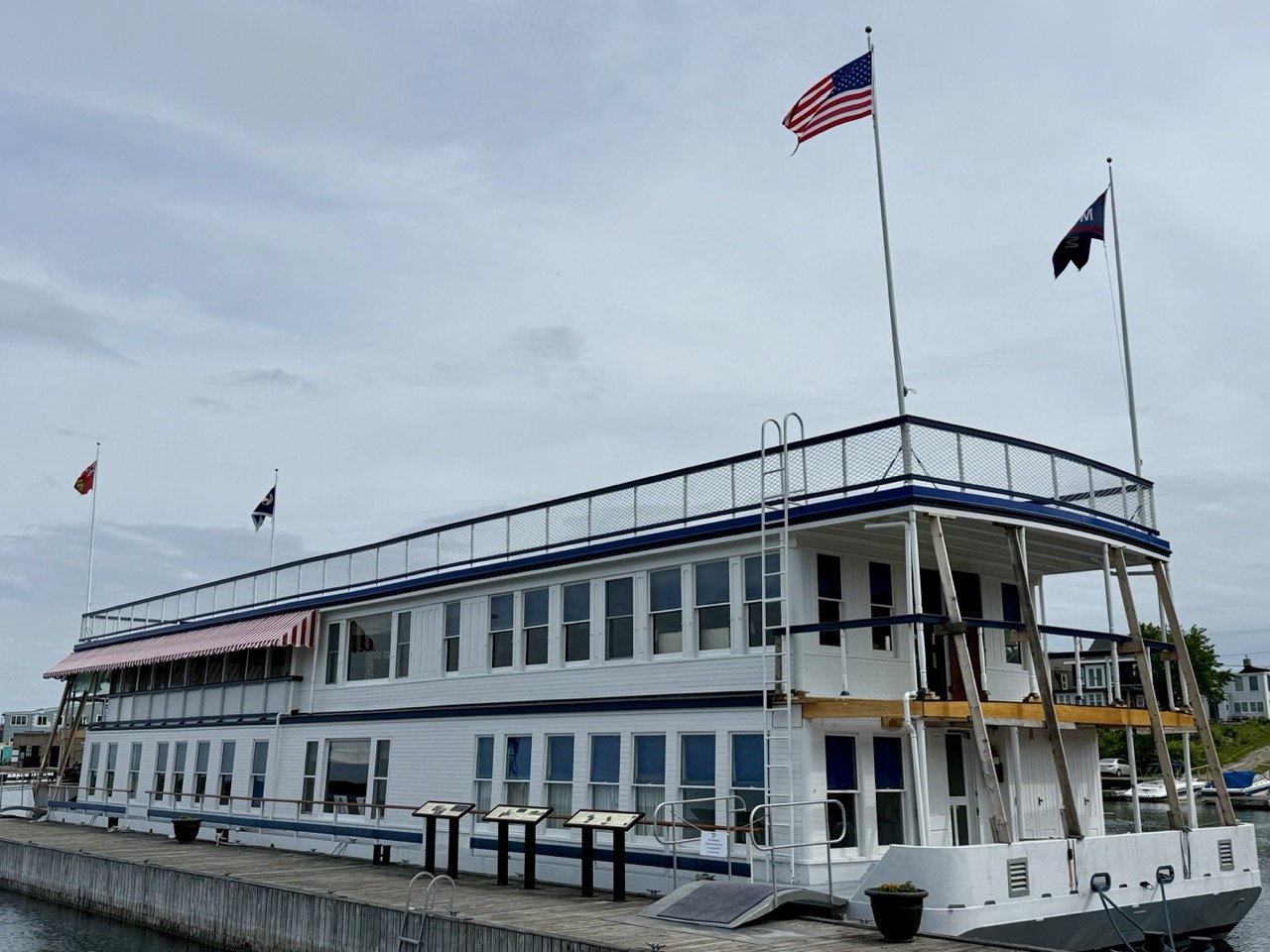
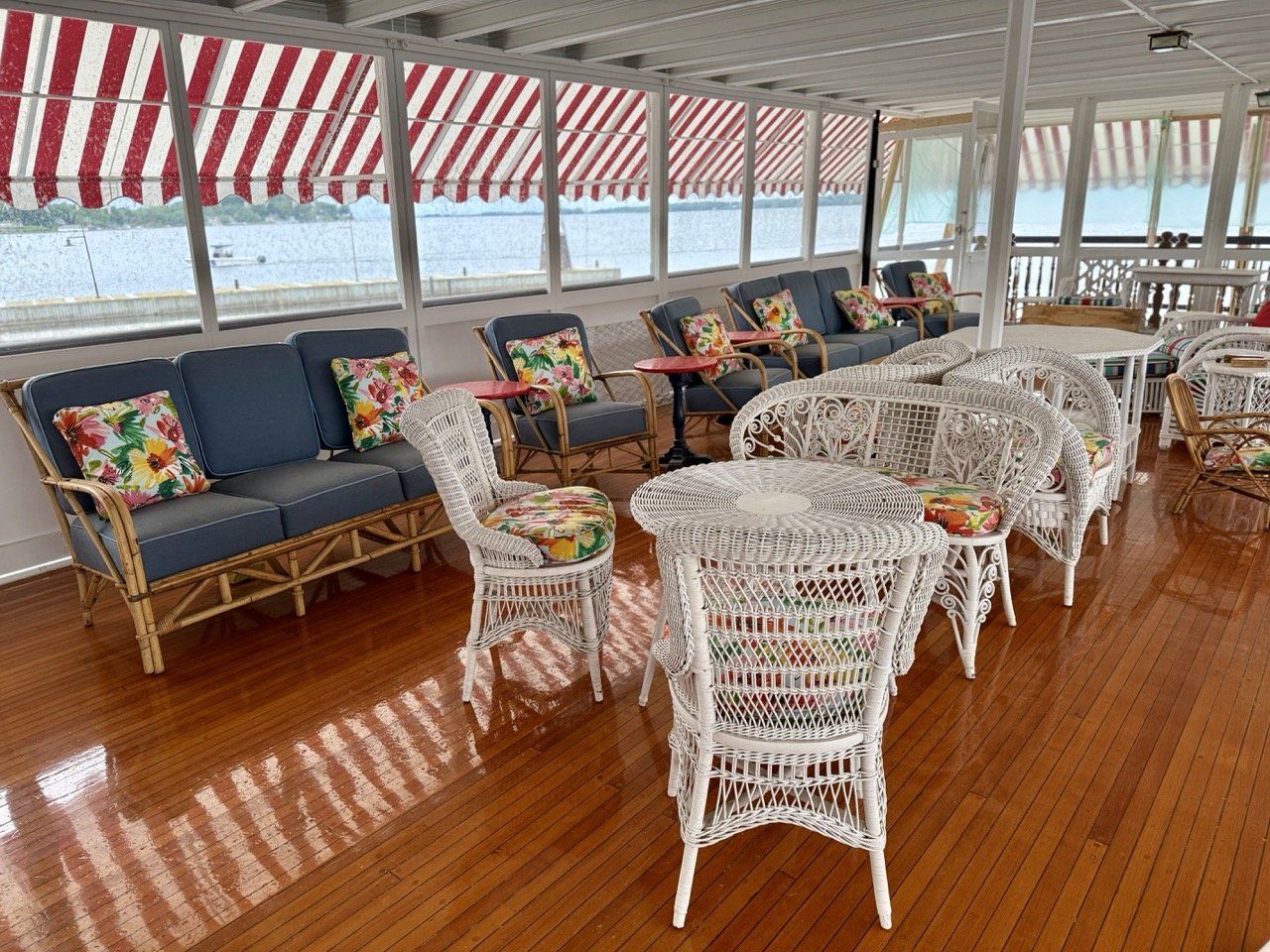
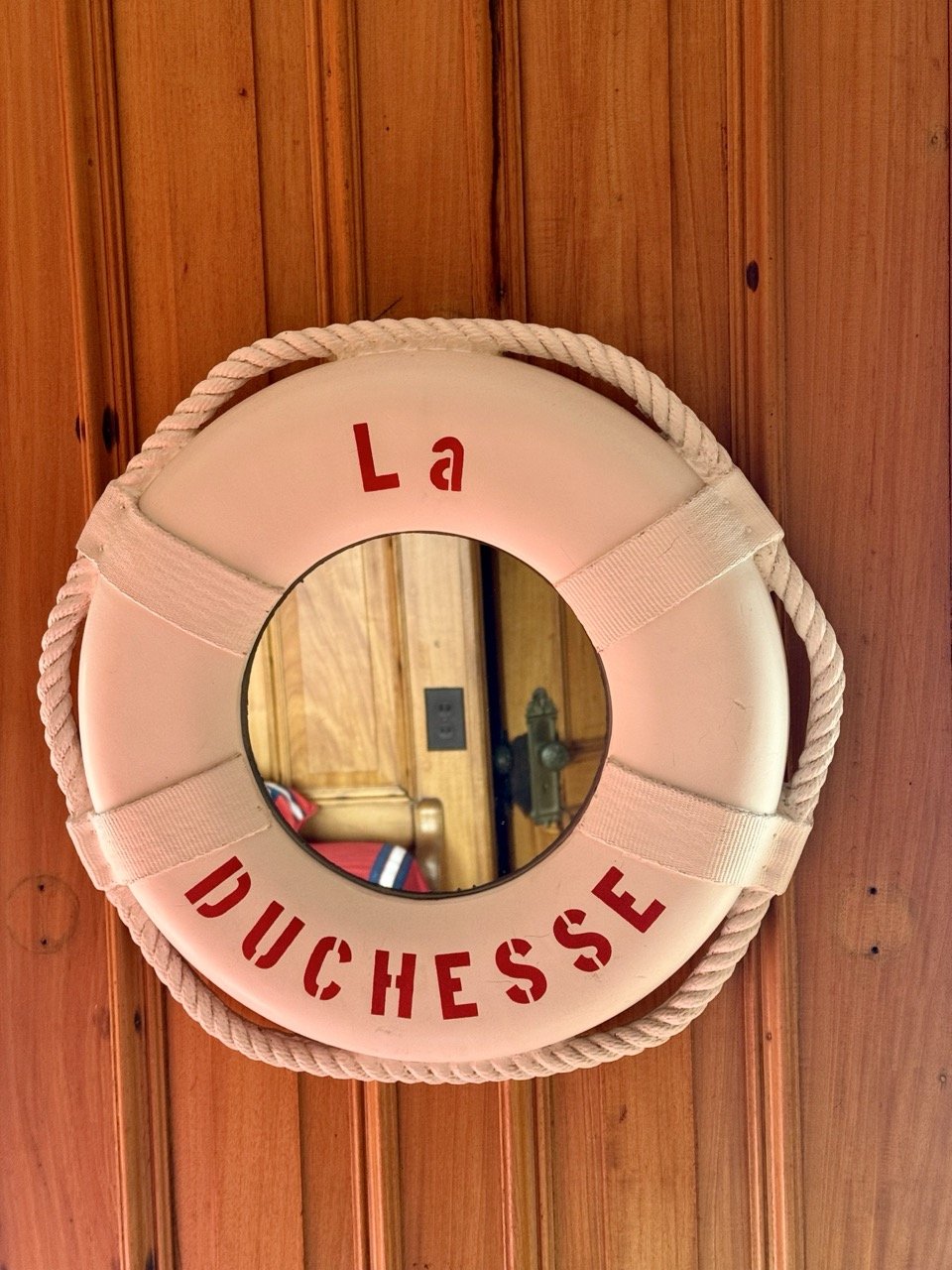
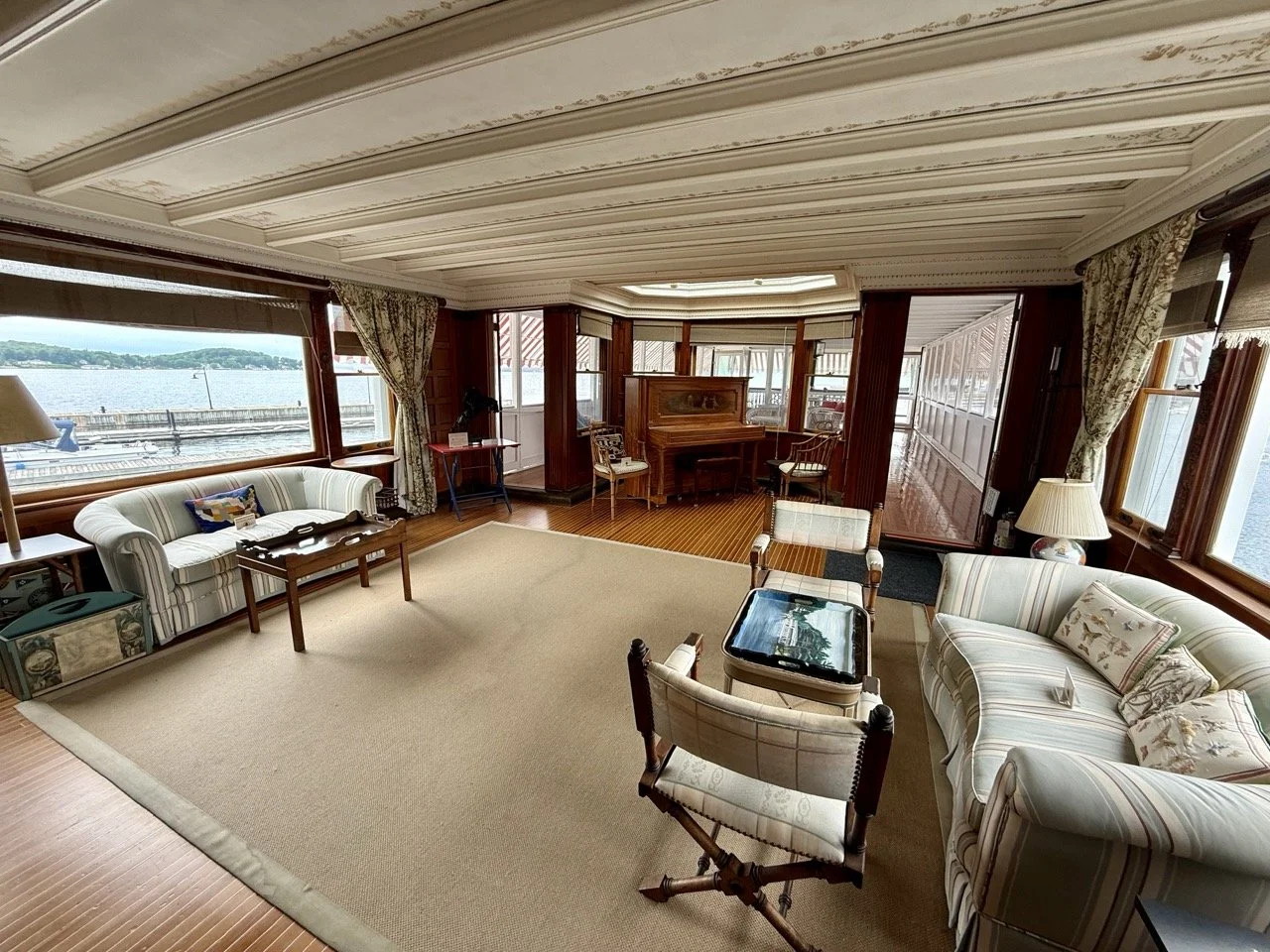
If you’re looking for a peek behind the curtains as to what the glory days of the extravagant river lifestyle of one hundred years ago would be like, you’d be hard pressed to find a better way to do that than this tour. In short, it’s a 30 minute walking tour of the 106 foot houseboat that was built in 1903 for the famous hotelier, George Boldt.
And yes, it’s the same “Boldt”that you might recognize as the namesake of Boldt Castle. This houseboat served as yet another summer residence option for the Boldt family because - why not?
Bri and I had certainly never seen a houseboat that was quite as elegant as this one, and I think we were both pretty surprised at the sheer volume of original furnishings. When boats like this are restored, they sometimes lose their original charm, but that’s far from the case here. In fact, it seems that everything they did to get this ready for folks to start visiting in 2005 was about preserving that charm in order to bring visitors back to another era.
Well, mission accomplished.
You can reserve a place on a tour at the Admissions Desk. Tours run every hour (on the half hour) starting from 10:30am, and the last tour takes place at 3:30pm. And, the tours run when the museum is at full operation in the warmer season, so roughly Memorial Weekend to the end of October.
Also, out of respect for the full breadth and diversity of the audience who may be reading this, I do want to note that this historic boat is unfortunately not wheelchair accessible at this time.
Don’t Sleep on the on-the-water Experiences
There are a number of ways that you can get out on the water at the ABM. Many people who visit don’t know that you can row a skiff or a kayak as part of your general admission ticket. If you’re more local, there are also weekly community sailing nights, and events connected to the local community (like sailing to the Clayton Yacht Club). You can find full details here.
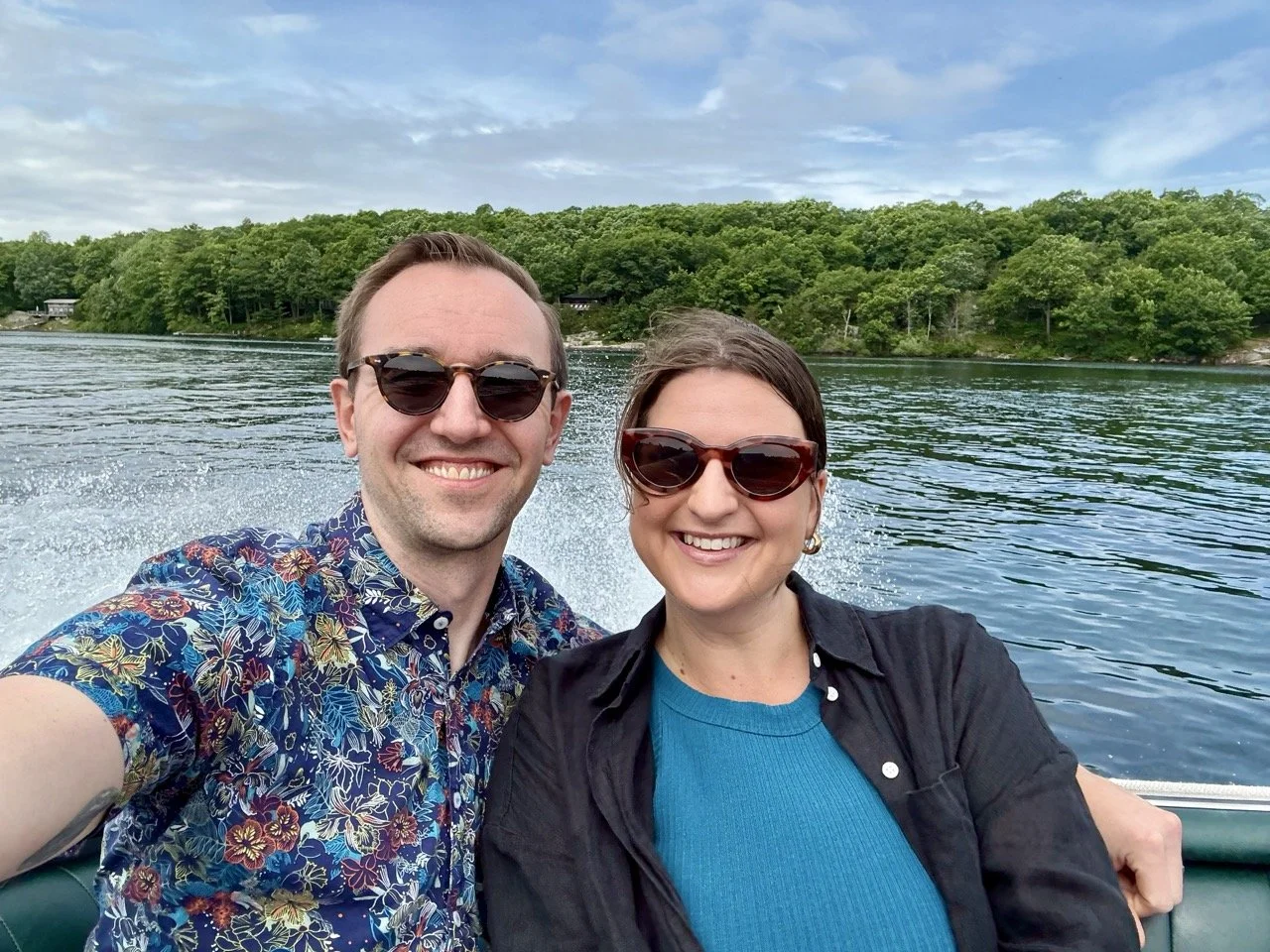
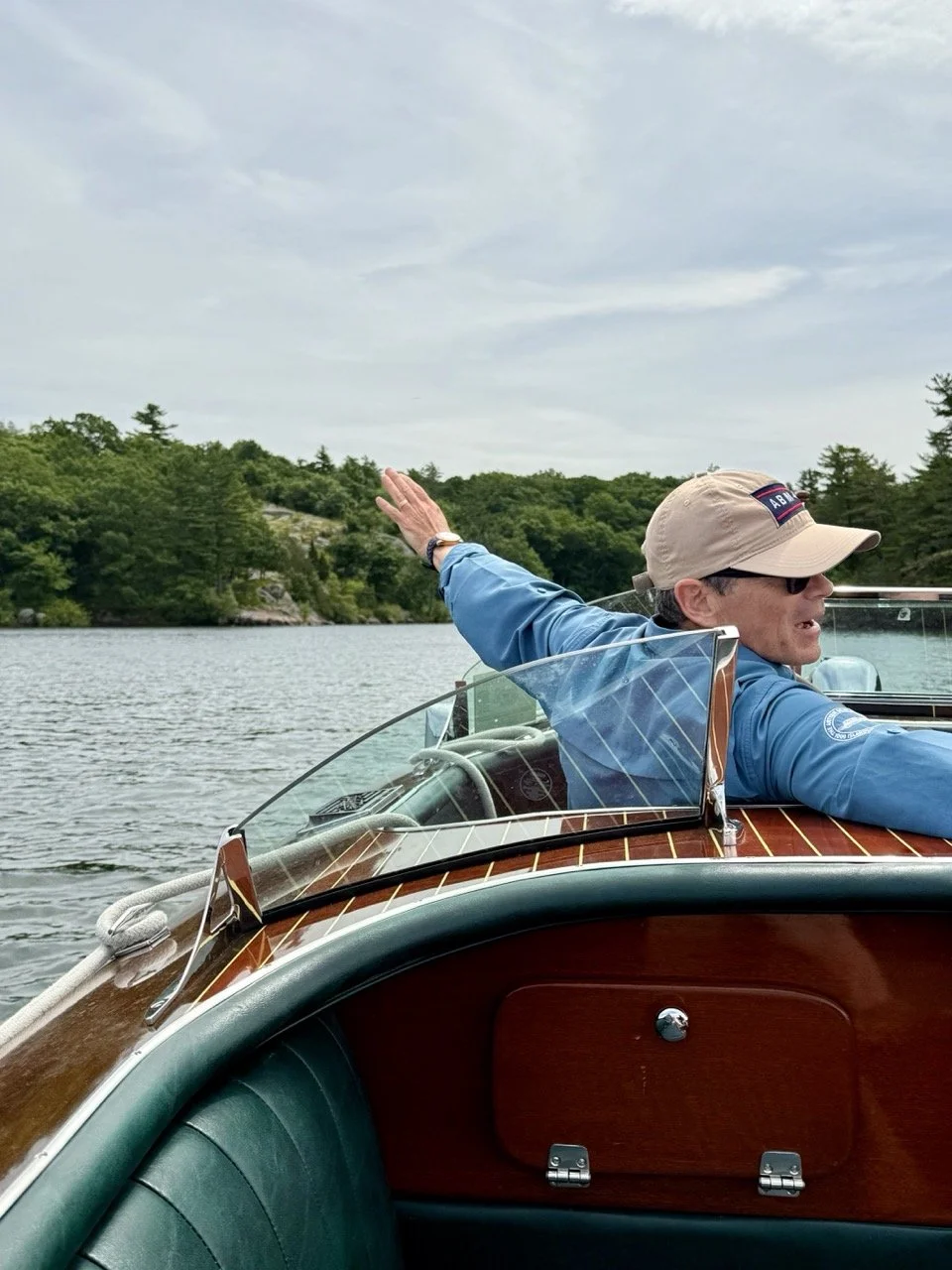
Personally, Bri and I chose to “Ride the River” on the mahogany runabout named “Miss Thousand Island III.” I think this was very likely the highlight of our visit because we’d absolutely never ridden in a boat like that before. We’d ridden through this region on larger boats, but to be so close to the water, and get so close to places like Bartlett Island, Rock Island Lighthouse, Roung Island and to rip through the Narrows — well, it was pretty special.
Coming back to the museum, it was also beautiful to see Clayton from the water (a view everyone should get at least once if they’re coming here, I’d say). You do after pay extra beyond the general admission, but Bri and I simply booked ahead for the “Ride the River, Tour of La Duchesse & General Admission Pass) and we were covered. For all that we got, we felt the total price was very reasonable!
This is a 1000 Island Museum Not to Miss
The funny thing is, I could write more and more about the ABM because there’s always something going on. It is, genuinely, a community hub, and as I alluded to earlier, we need as many of these kinds of institutions as we can get in the modern day — places for people to gather, learn, grow and simply have fun together.
Not to mention, the Antique Boat Museum isn’t just preserving boats. They’re preserving stories, histories, ways of life, and offering a keen reminder that sometimes life is a bit more beautiful when we quiet our distractions and focus on subtle rocking of the waves, the scenery around us, and the idea that life, in the end, is meant to be enjoyed together.
It’s a reminder that captaining a boat is a lovely thing, but my oh my is it ever nicer when you’ve got passengers aboard to appreciate the view.
We’d like to thank Visit 1000 Islands for hosting us as media for our trip to Clayton and the region. All opinions expressed are completely our own.