
The Ultimate Road Trip in Bas-Saint-Laurent, Québec
You’ll find the region of Bas-Saint-Laurent, located in Maritime Québec, right along the south shore of the lower Saint Lawrence River. As you might imagine, it’s filled with maritime history, charming seaside villages, sweeping views, and welcoming locals who have an immense pride in the region. And they should —- because, as you’ll learn, Bas-Saint-Laurent is quite unlike anywhere else.
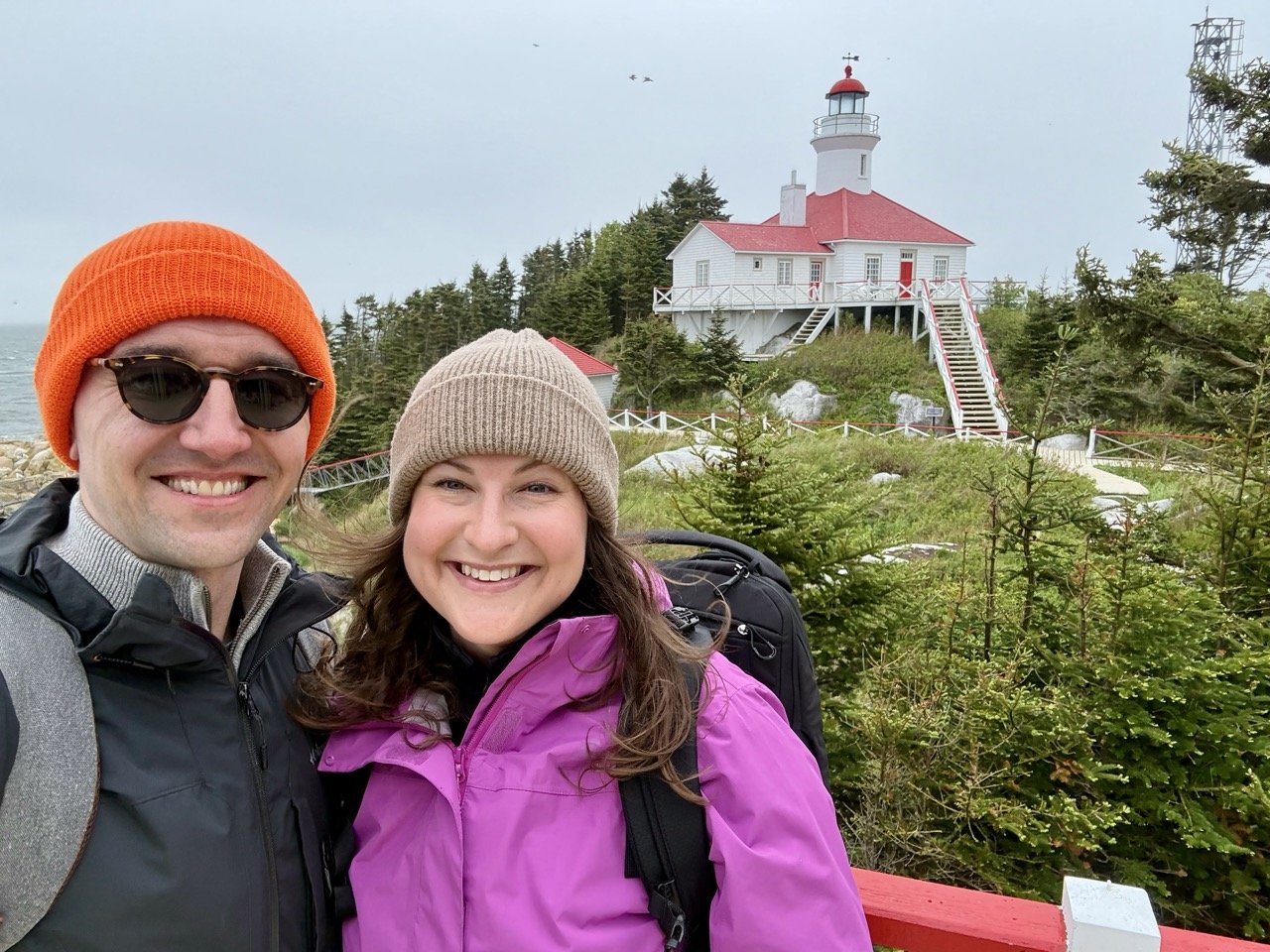
Bri and I at Pot à l'Eau-de-Vie Island. Photo Credit: Christopher Mitchell
The St. Lawrence River has been a critical passageway in Canada throughout history, and I’ve come to learn that, where there’s rushing, navigable water in a nation — there’s growth, culturally, economically, and socially.
That, of course, remains true for the region of Bas-Saint-Laurent in Québec. As many will already know, particularly Canadian readers, Bas-Saint-Laurent simply means “Lower Saint-Lawrence.” It’s a region where the river widens, slowly but surely, and eventually becomes a bay that connects to the Atlantic Ocean, which is why this region is home to some of our nation’s most riveting maritime tales, both for better and for worse.
Bas-Saint-Laurent is part of the Québec Maritime Region, often colloquially called, “Québec by the Sea,” and it also comprises the Gaspésie, Côte-Nord and the Îles de la Madeleine regions, respectively. Gaspésie is often thought of as the big draw of this region, what with Forillon National Park and the famed Percé Rock, but don’t sleep on Bas-Saint-Laurent.
As I’ll share with you, it’s an area in this province that is brimming with local culture, a stunning array of geological phenomena, excellent local cuisine, and honest-to-goodness warm people.
Exploring the Bas-Saint-Laurent Region with Intention via Car
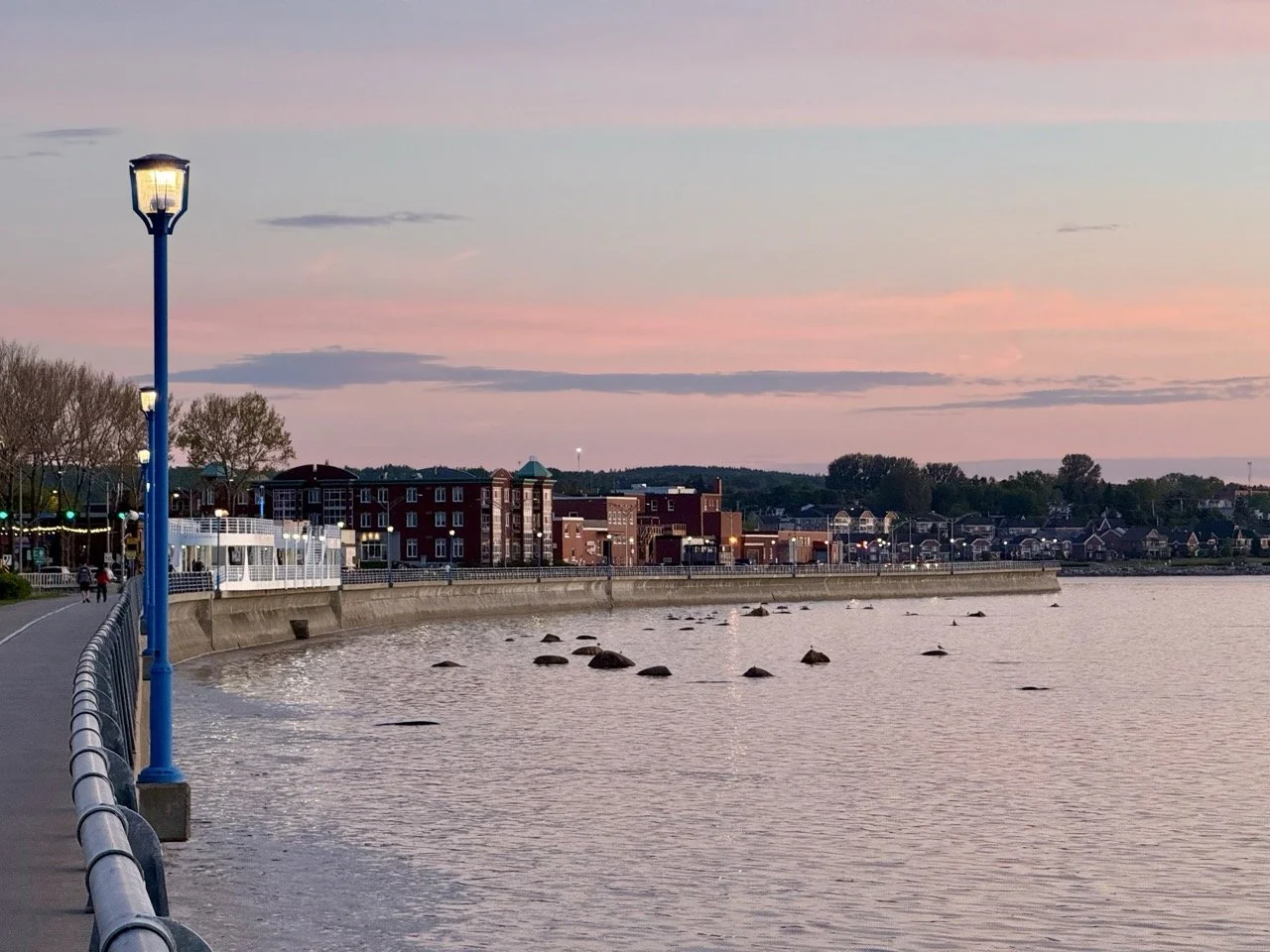
Rimouski at sunset. Photo Credit: Christopher Mitchell
Personally, with a region like this, I’d strongly recommend renting a car. We flew into Québec City, rented a car from the airport, then headed straight for Rimouski. What we’d learn from driving around Bas-Saint-Laurent is that driving this region gives you the flexibility that Bas-Saint-Laurent deserves.
Below, I’m going to talk about my highlights of this region, in order to help you plan your own road trip here, but the truth is that every road trip will and should be different.
You should stop at a small cafe that catches your eye on the coast, or a beach with waves lapping in, catching the sun at just the right angle. You should pull over to stretch your legs on a hiking trail, or to buy things from a local artisan. You can use my recommendations as guiding posts, but I’d urge you to fill in the blanks along the way, and to realize that some of the greatest moments in travel are those that are unexpected.
All that to say, there are very few “wrong” turns in this region. Every time we took a leap and followed our intuition, we were led right where we needed to go to get a better picture of what makes this region so unique.
Here’s a final pro-tip for you — when you’re driving, listen to local artists from the region. When we were listening to this playlist, it brought the scenery we were driving through to life.
I’ve tried to include the trip here in a way that would make sense for you to complete somewhat sequentially, but remember that if you see something you feel is worth stopping for, then stop. This is your trip, I’m just here to give you the structure and confidence to explore a region that is very close to the heart of both Bri and I.
*Please note this post contains affiliate links. Simply put, this means we may receive a small commission for some of the recommendations in this article at no additional cost to you.
Where to Stop in Bas-Saint-Laurent on Unforgettable Your Road Trip
From maritime historic sites and city centres to remote islands and seaside villages, we’ve got you covered. The truth is, any good road trip is a mixture of a variety of different experiences.
Show some love for Rimouski
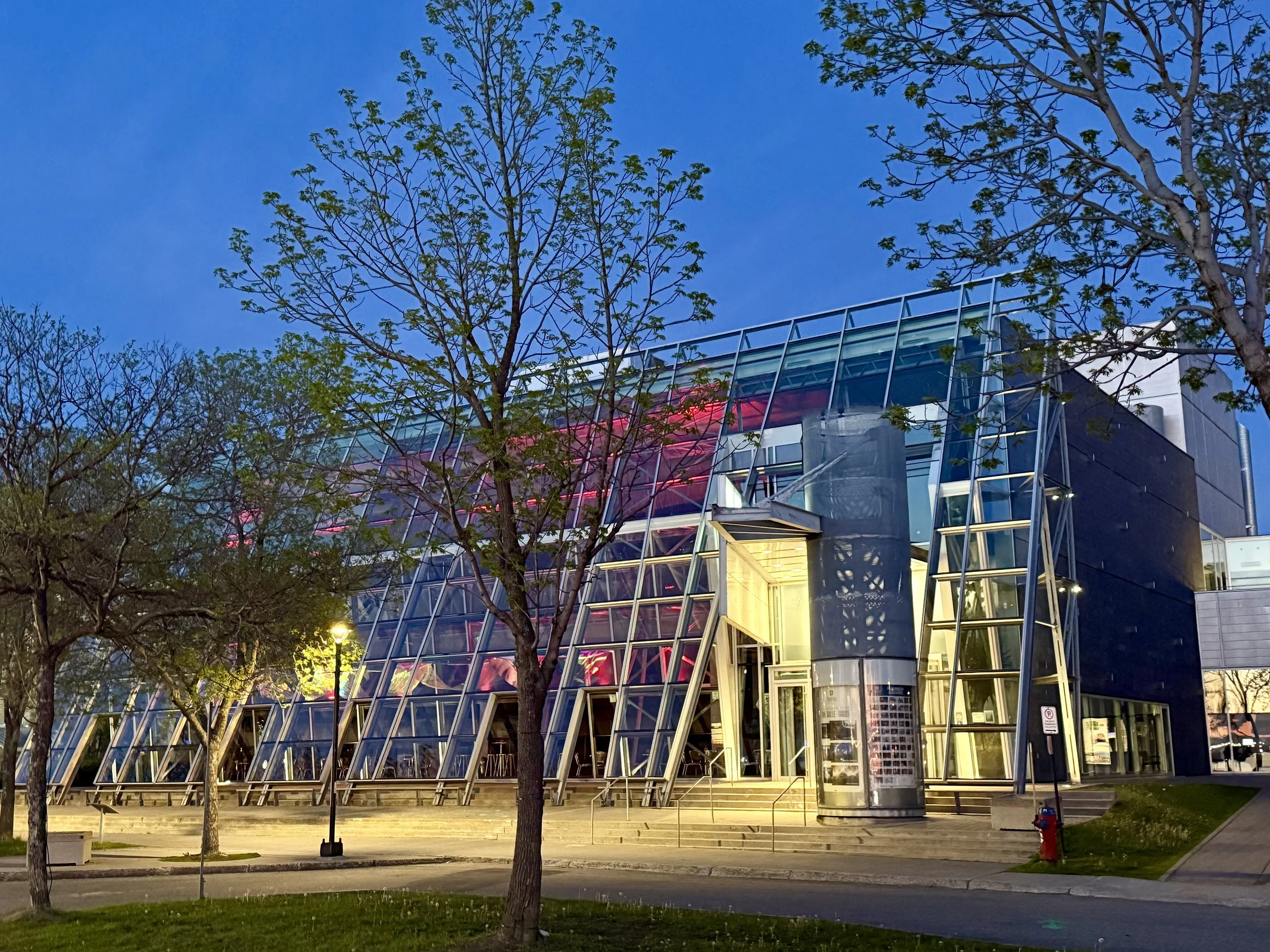
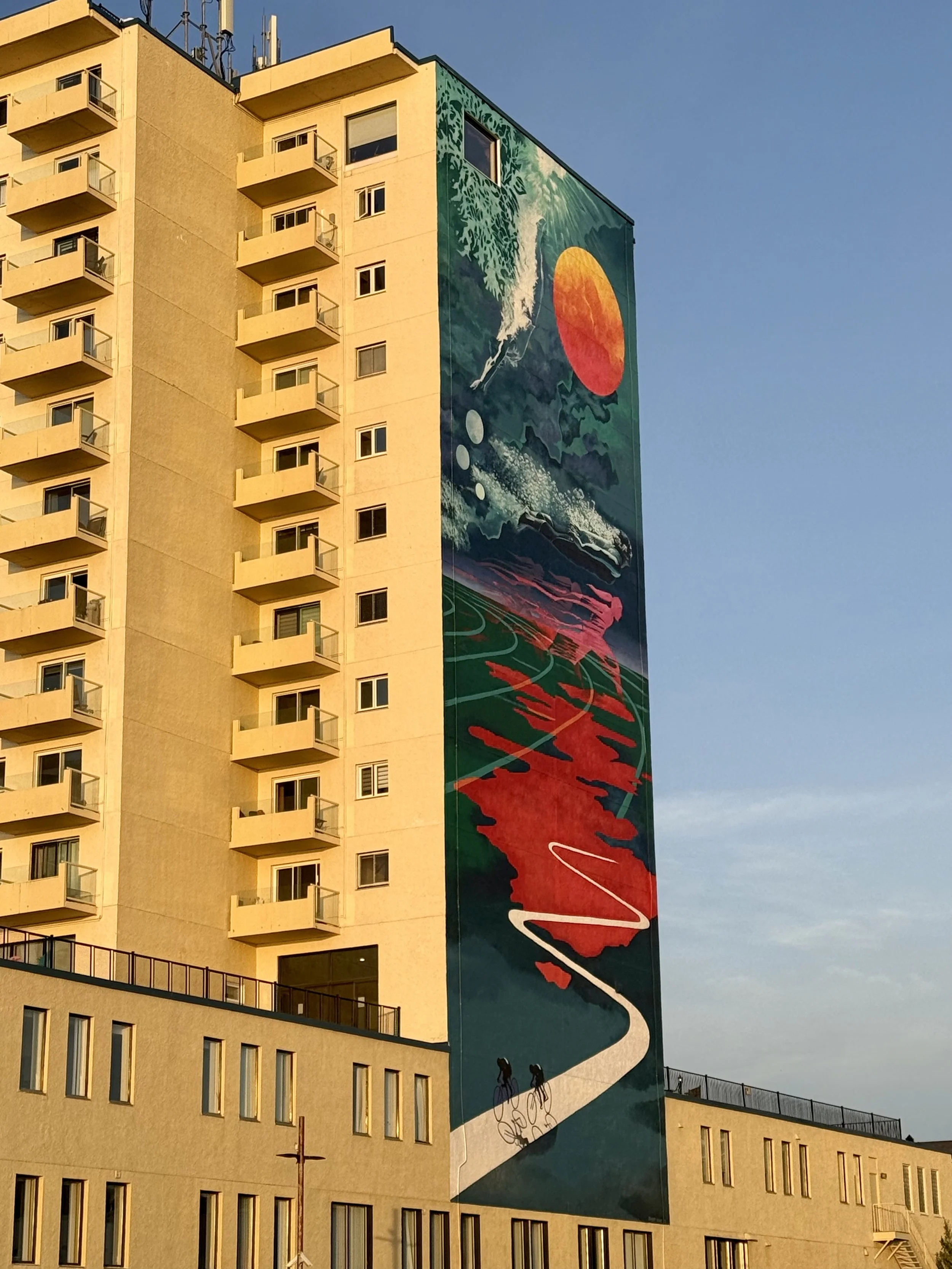
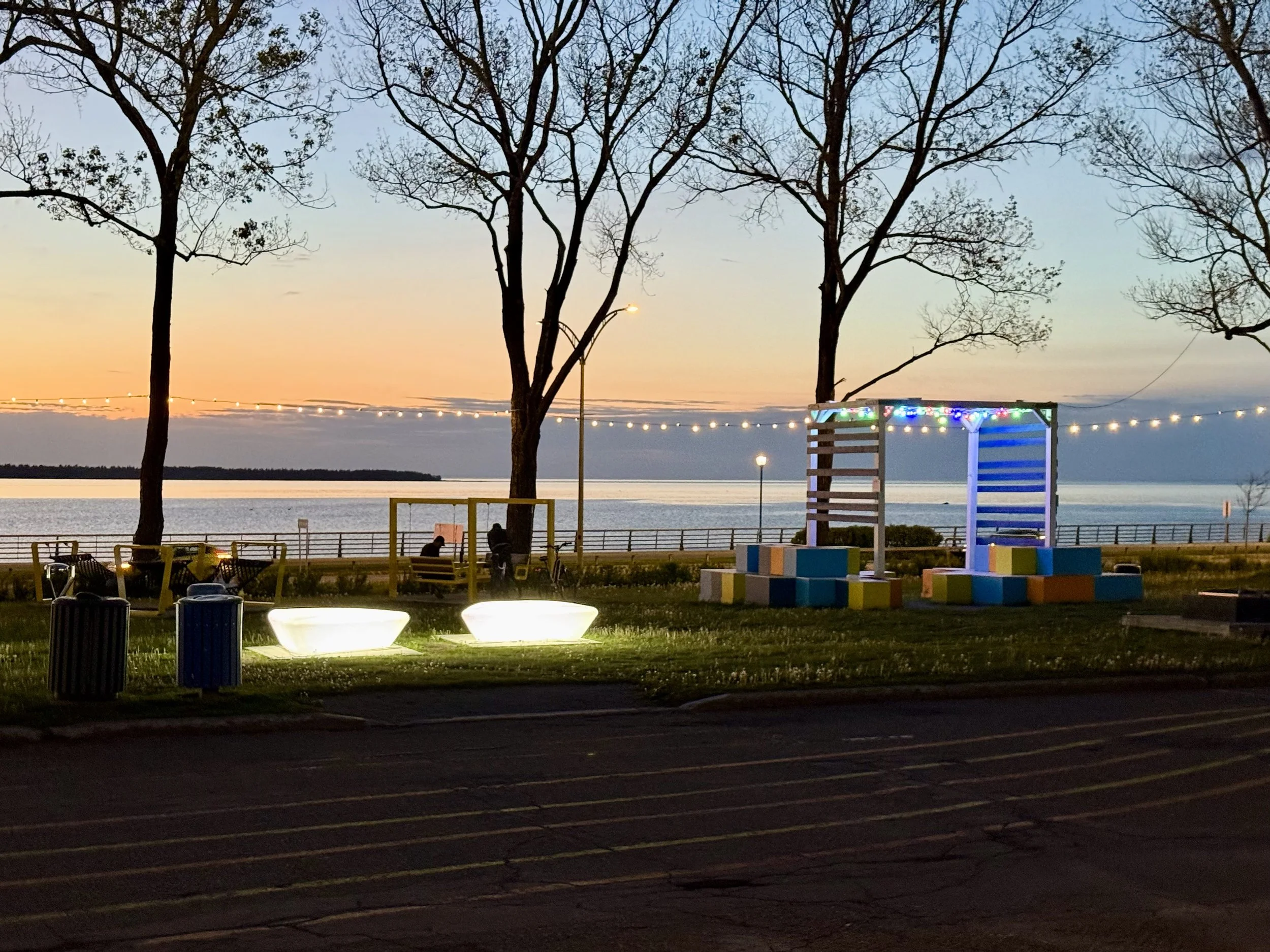
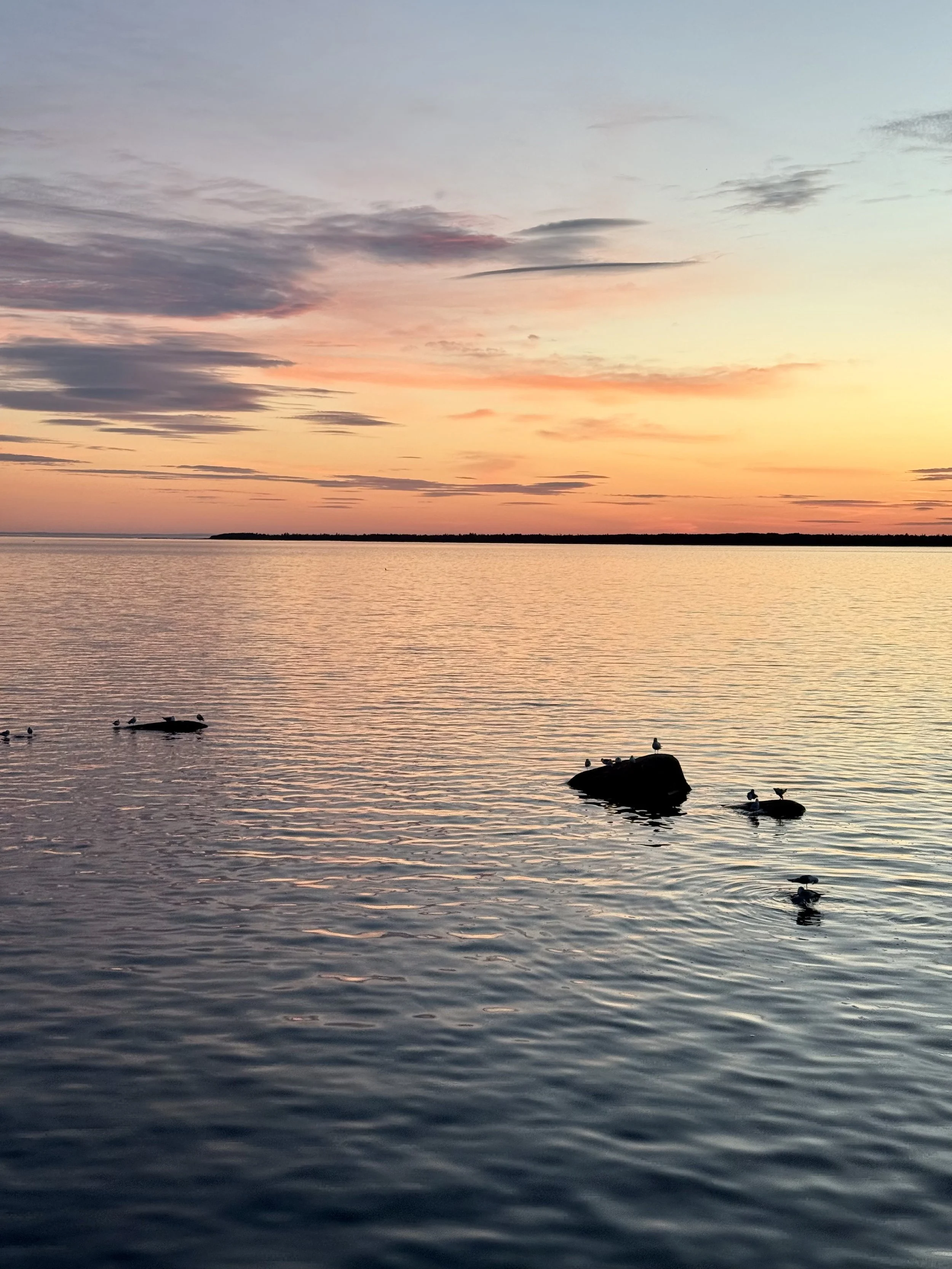
We began our explorations in Rimouski, a city of roughly 50,000 people on the south shore of the St. Lawrence Estuary, approximately 300 kilometres downstream from Québec City. It’s home to a well-known university in the province (Université du Québec à Rimouski), as well as ocean science research centres, and you can feel that this is a place of learning.
There’s an energy about the city that’s hard to miss.
We based ourselves at Hôtel Rimouski, largely because it’s in an ideal location to explore the city with a short time horizon, and, if you’re doing a road trip, the free parking and fantastic hotel breakfast are a huge plus.
Whatever you do, do not miss the chance to stroll along the Coastal Trails, especially at sunset. You can follow the trail for quite some distance, but at the very least, take the trail along the water to the Rimouski River Breakwater, and then walk back up Rue St. Germain. This street is a hub for restaurants, bars, as well as some photogenic churches and cultural sites.
If the outdoors are your forté, this is a good time to mention that when I mentioned how much I loved the coastal trails to locals, they reminded me that Parc national du Bic was just a short drive away.
Now, as a hockey fan, I also need to mention that Rimouski is home to the Rimouski Océanic of the QMJHL. This, of course, was where Sidney Crosby played his junior hockey. They love their Océanic, and if Bri and I are back next time in winter, I will certainly be trying to go to a game.
Technically, our next recommendation on this list is in Rimouski, but I felt it deserved an entry unto itself, and it’s also where I’d recommend visiting as you’re leaving Rimouski, and effectively starting your road trip in Bas-Saint-Laurent.
Get a Better Feel for the Region’s Maritime History at Pointe-au-Père Maritime Historic Site
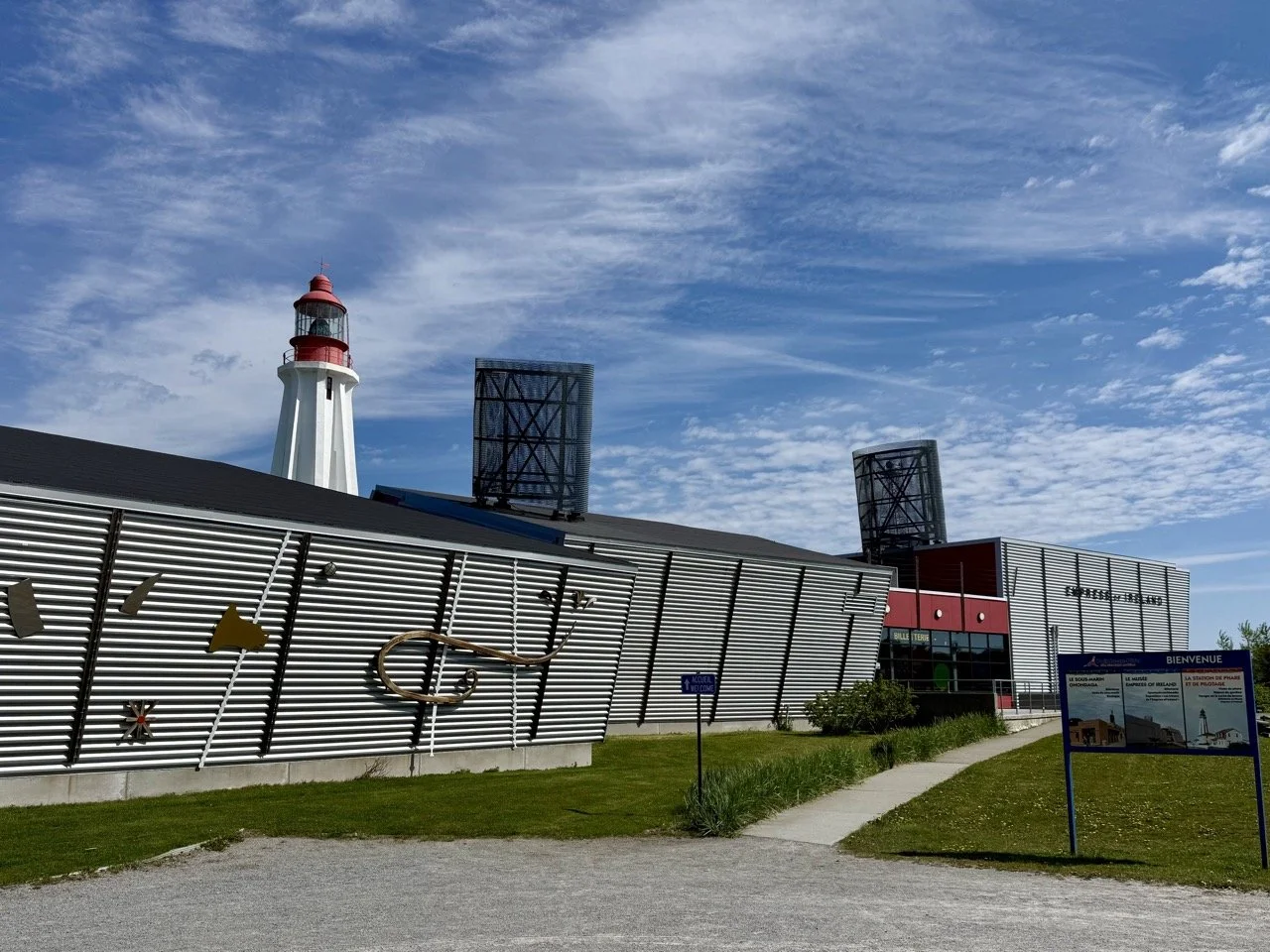
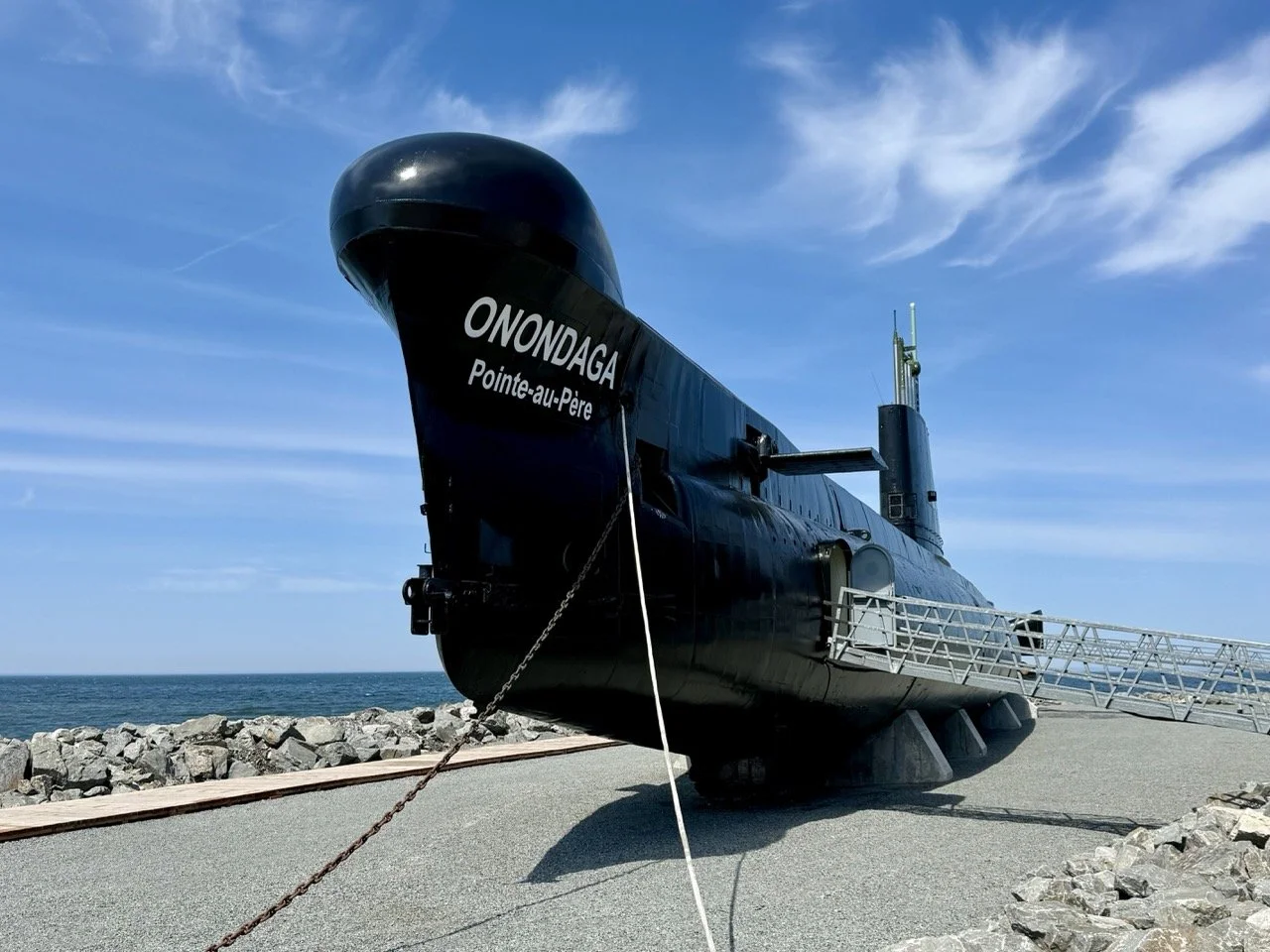
In terms of properly understanding the stories and geography of the region, Pointe-au-Père Maritime Historic Site was an important place to start.
We started with a self-guided tour of The Empress of Ireland Museum, which covers the tragic sinking of this ship in only 14 minutes on a fateful night in 1914. Many people, Canadians included, do not realize that this is Canada’s worst maritime disaster, as over 1000 people lost their lives. The museum tells the story in full, and includes over 200 artifacts from the wreck. We’d recommend starting your visit to the museum by watching the remarkable multimedia show “The Last Journey.”
Don’t rush your visit here. You may be on a road trip, where you seemingly always feel like you’re behind schedule, but a visit to this museum is impactful, as it should be. They do a fantastic job here.
Once you leave the museum, you’ll be setting eyes on the second tallest lighthouse in Quebec, Pointe-au-Père Lighthouse. It was built in 1909, and is one of the few lighthouses from this period to still have its prism. In layman’s terms, that just means that its central light, and the inner and outer glass rings that amplify that light, are still intact.
You’ll see staff at the bottom of the lighthouse who are taking guests on guided tours to go up to the top, if you’re keen to do so.
Finally, you’ll also have the chance at the Pointe-au-Père Maritime Historic Site to board The Onondaga Submarine. It’s hard to imagine what it would be like for 70 or so crew members to live for months at a time in such tight, enclosed quarters — until you have the chance to experience it yourself. Don’t miss the chance to look at some of the complex mechanical features on the Onondaga, such as the sonar setup, the control room, torpedo room, and to see its engines.
Whether you’re on your own, with a partner, or have your family along for the ride, you can’t miss a visit here.
Make a Stop in Sainte-Luce
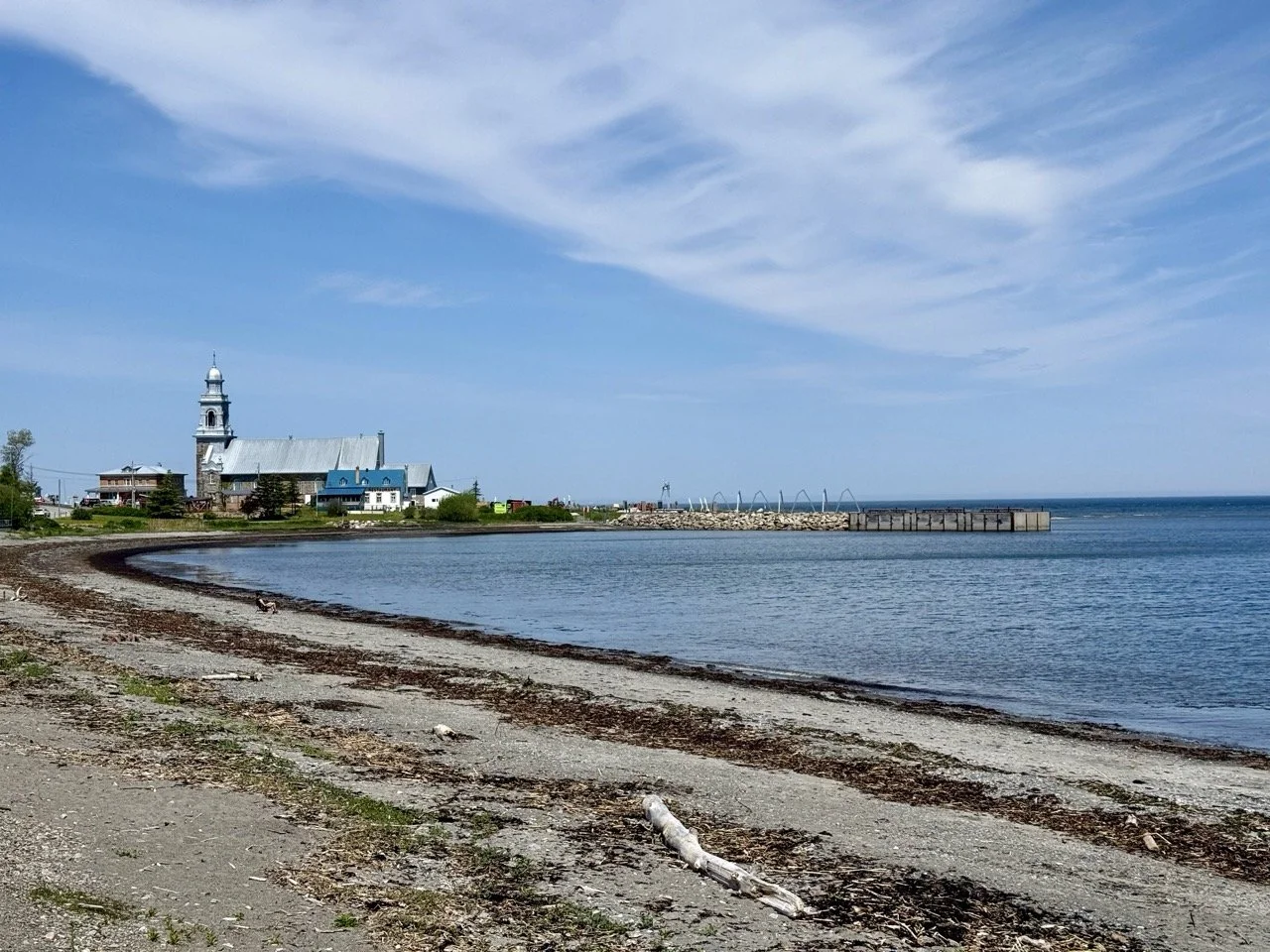
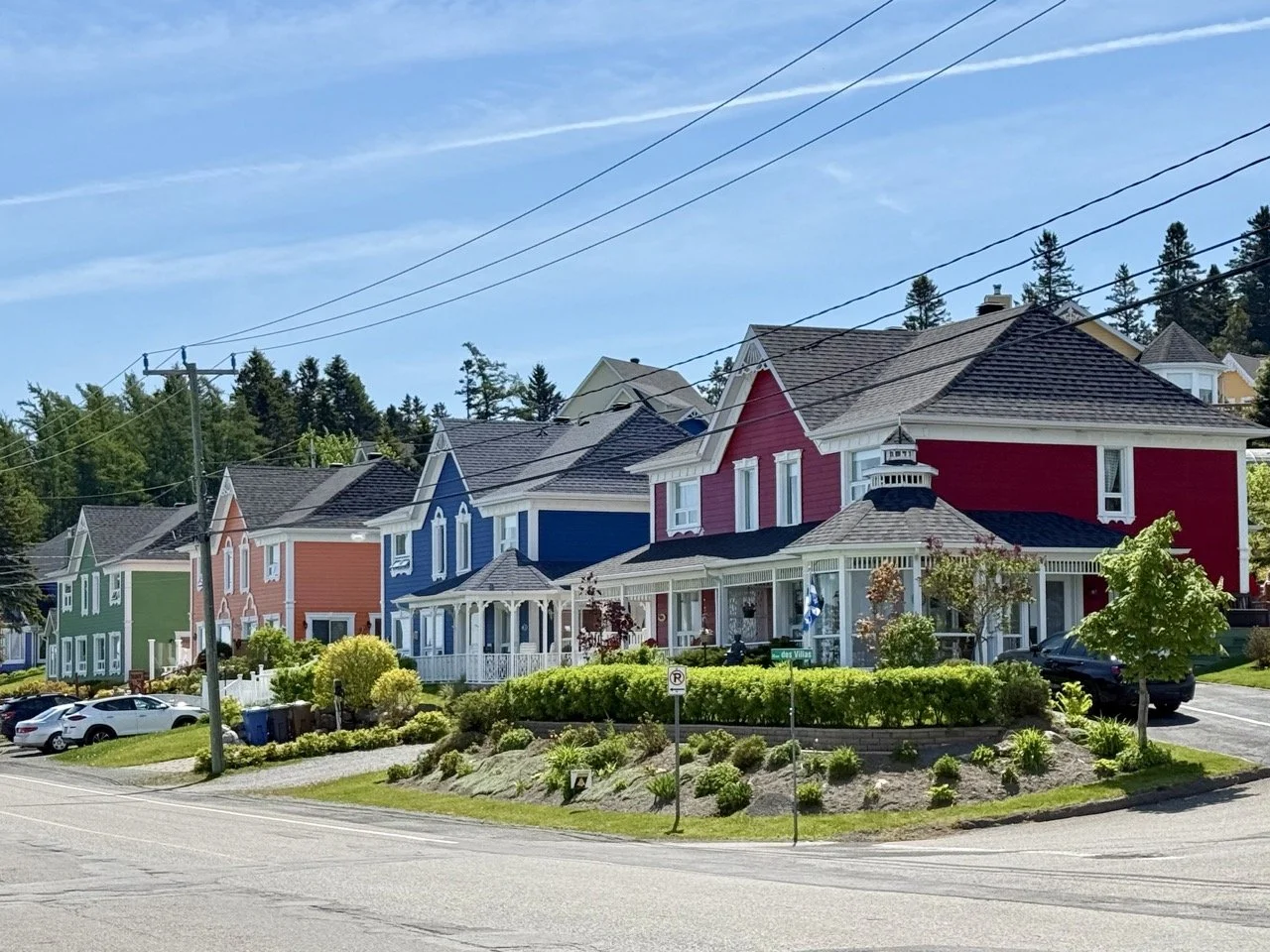
Saint-Luce is one of those classic Québec maritime seaside villages, and it was founded all the way back in 1829. To me, any good road trip needs to have some built in stops to stretch your legs, but in this region, you can make those stops count, and you won’t do much better than Municipalité de Sainte-Luce.
It’s most famous for its 2.5 kilometre picturesque beach. There are public markets and events, restaurants and cafes, as well as accommodation for those interested in spending the night, but the average road tripper will stop here for some time to listen to the sounds of the waves, walk the length of the beach, and take in the views.
If you do make your stop around sunset, it’s worth noting that Saint-Luce is well known for their sunsets, and if you, like me, enjoy playing photographer, I’d also urge you to spend some time snapping photos of the colourful, historic houses as well.
This is an easy place to add to your itinerary, as it won’t take you off route, and, not to mention, it’s emblematic of what a charming seaside village can be in this region.
Spend the Night at Entre l’algue et l’écorce inn in Saint-Mathieu-de-Rioux
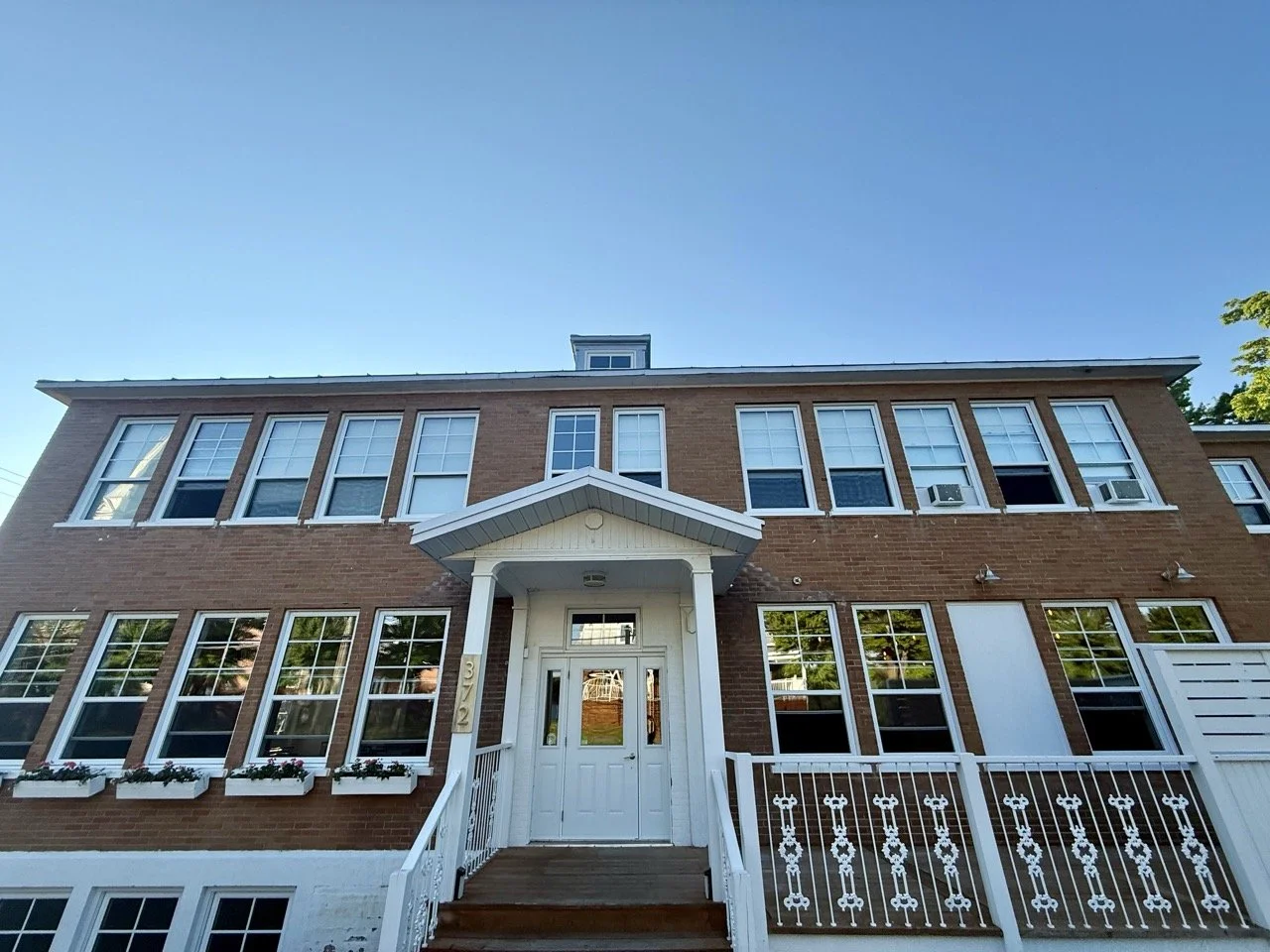
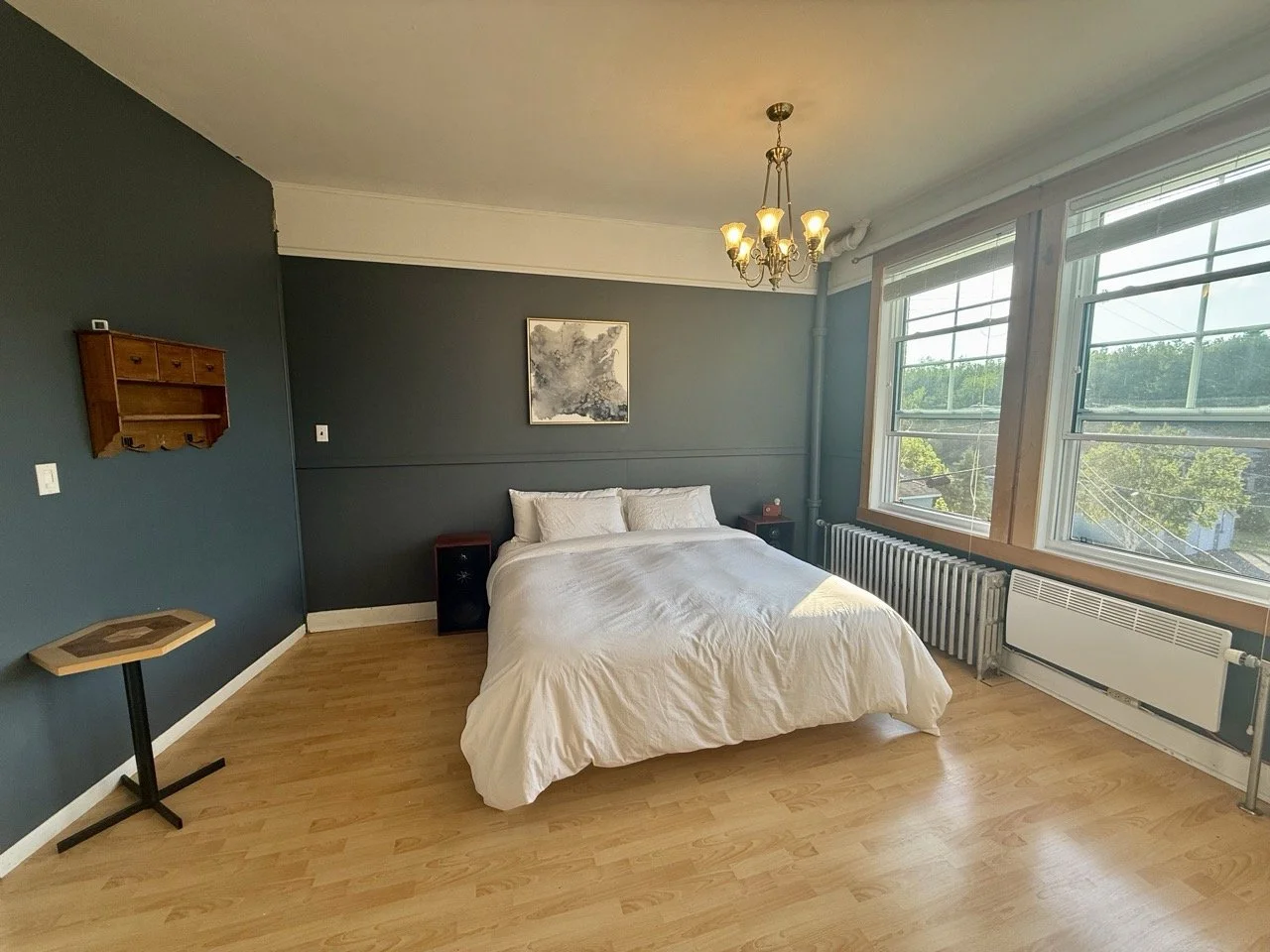
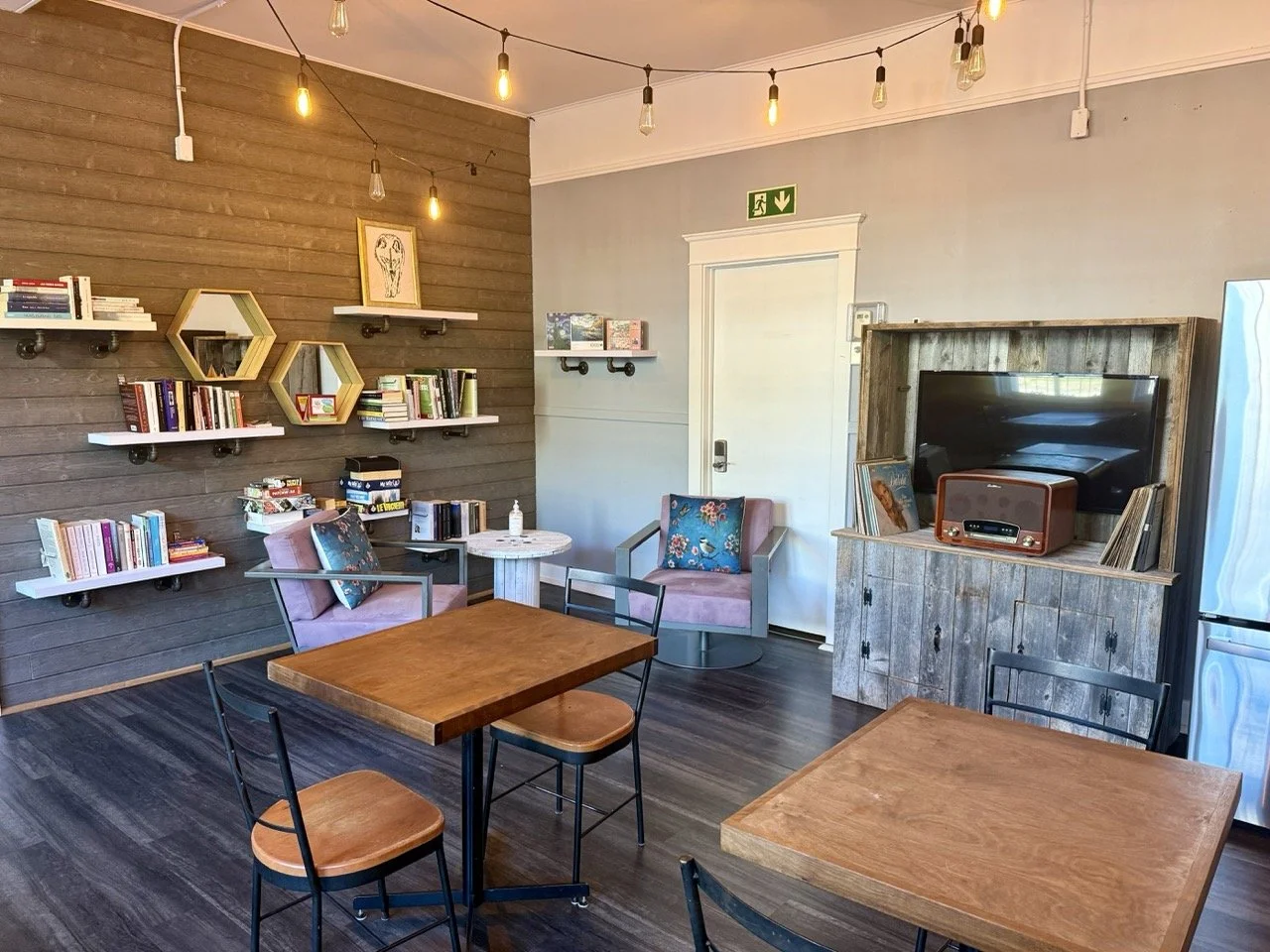
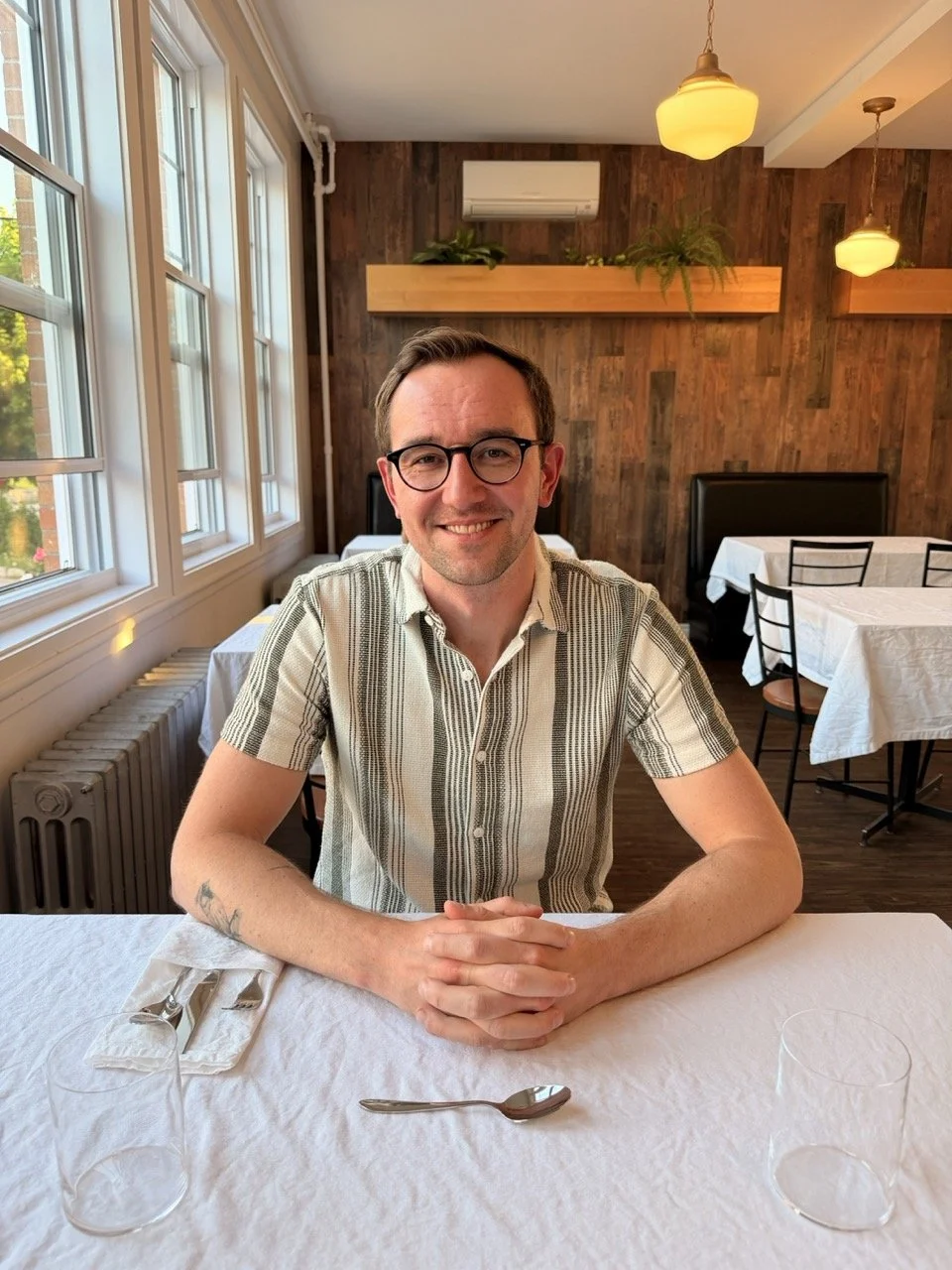
Entre l'Algue et l'Écorce was one of the undisputed highlights our of time in Bas-Saint-Laurent, and that’s for a number of reasons.
Firstly, Saint-Mathieu-de-Rioux is scenic, and if you’re staying here, you’ll have access to a bevy of outdoor recreation opportunities, and of course some natural views that will excite just about any nature lover. There are literally hiking trails within minutes of Entre l'Algue et l'Écorce, opportunities to bike around the lake, a chance to swim at the nearby municipal beach, and the chance to rent canoes, kayaks or paddleboards from local providers. If you stay for a few days, you should also consider visiting Parc national du Bic.
However, what makes this place truly special is the two sisters who run this beautiful property, Coralie & Rebecca Beaudin. They’ve been exploring the mountains, the forests, and of course appreciating the St. Lawrence River, since childhood, and they want to share that love with guests. Coralie is a chef extraordinaire, and Rebecca is a graduate of organic agriculture at INAB, so rest assured, when you stay and dine here, you’ll have an unparalleled feel for the flavours and feel of the region. Perhaps not surprisingly, a lot of what will end up on your plate has been foraged close-by.
There are six modern, comfortable rooms as well as a sizeable common area complete with books, board games, and even a nice little record player with vinyls.
My one recommendation — you need to treat yourself to the five course tasting menu. We had everything from gazpacho with sea parsley to confit arctic char wrapped in sea lettuce. The beef cheek, local duck, and goat cheese mousse with balsam poplar certainly didn’t hurt either.
More than anything, Bri and I want to use our channels to support people who are taking a chance to meaningfully add to the tourism landscape in regions like this. What Rebecca and Coralie are doing here is a special mission, and one we emphatically support.
Get Some poutine and Cheese Curds at Fromagerie des Basques
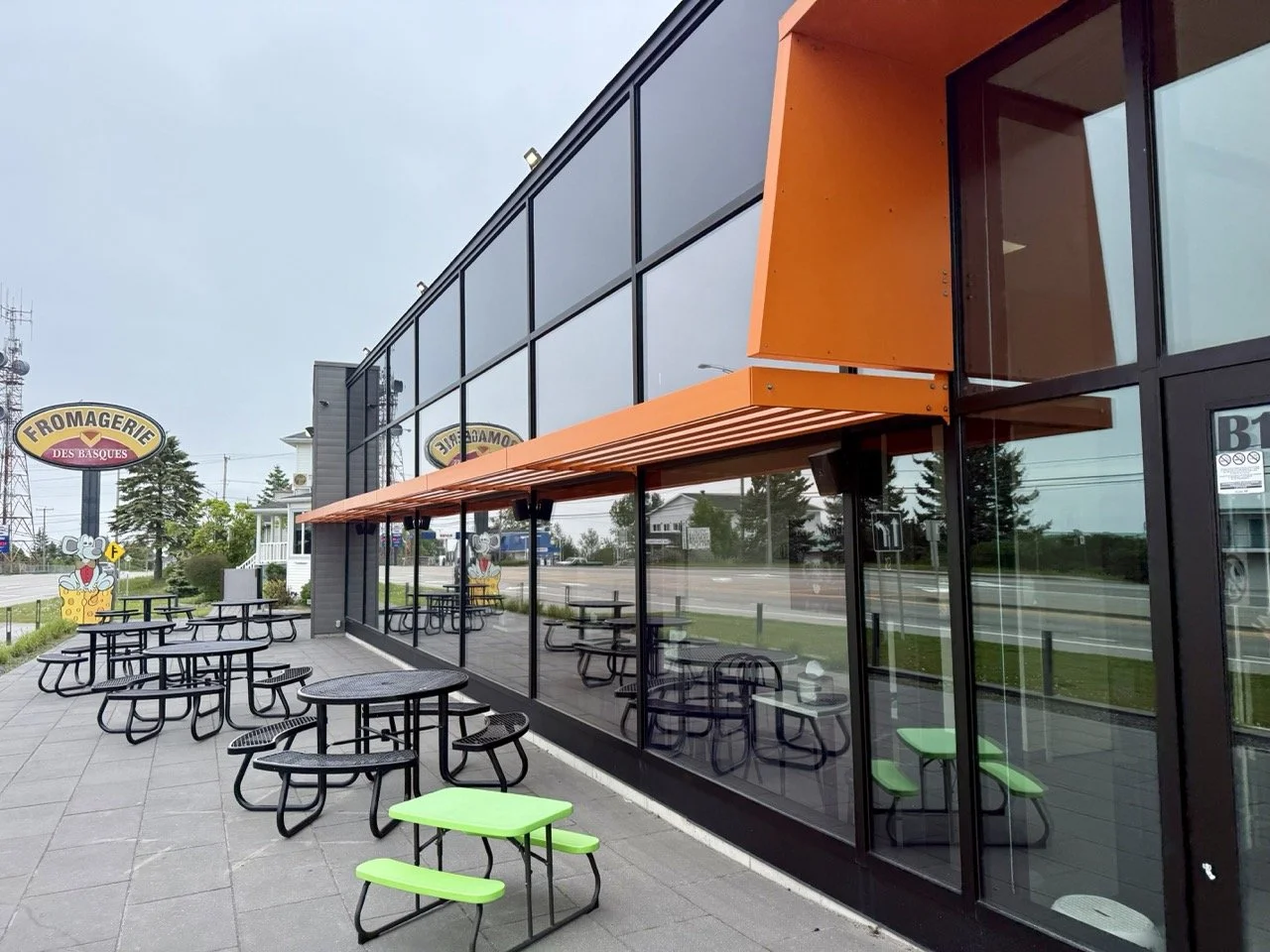
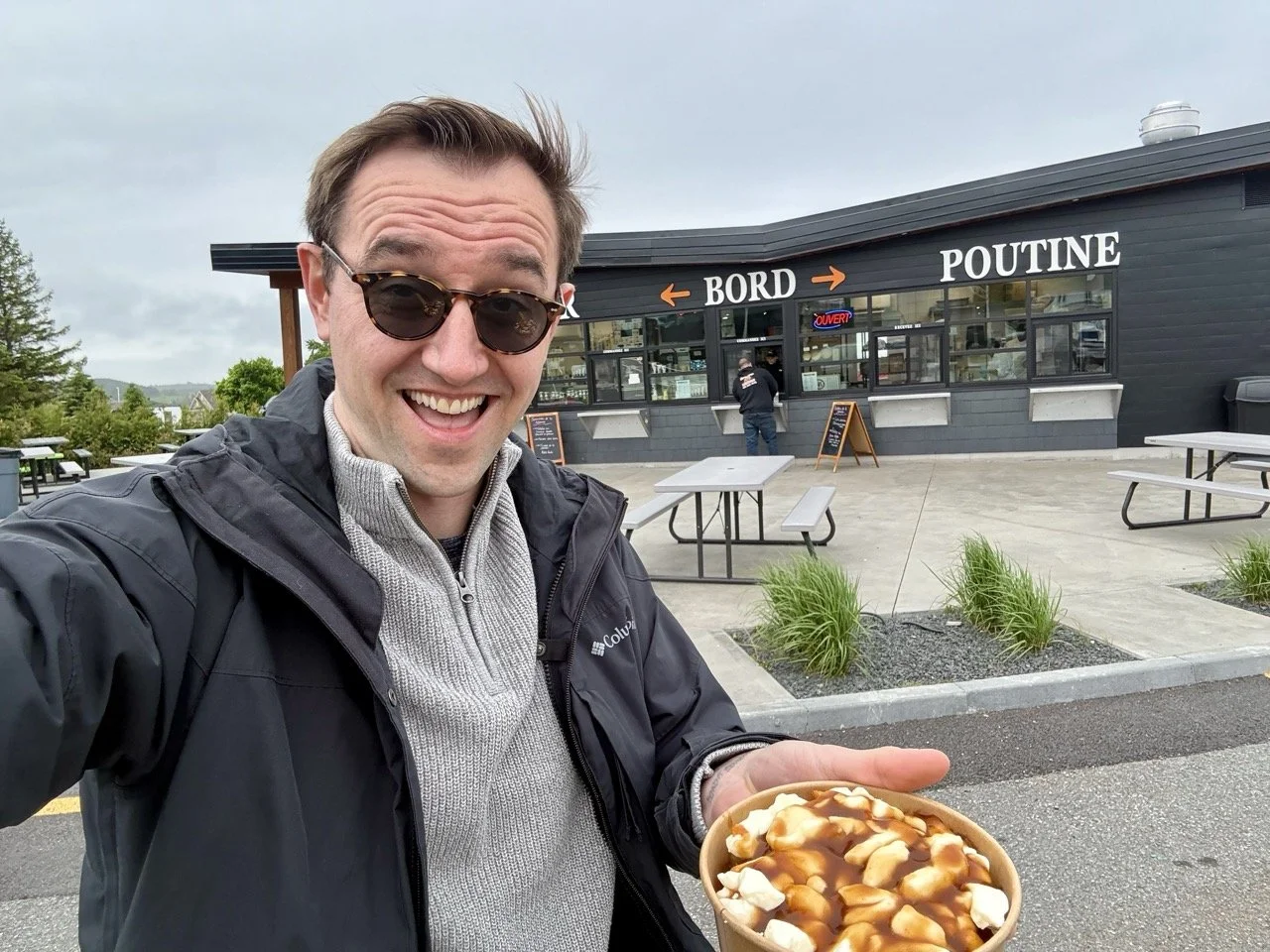
You’ll find Fromagerie des Basques in Notre-Dame-des-Neiges, Québec. It’s not just a place to stop for poutine, it’s a cultural and community hub in the region, as you’ve got cheeses, pastries, local products, prepared meals, a dairy bar, and, of course, a poutinerie.
As is typical in this region when it comes to food, quality is at the forefront. We didn’t have too much time here, but we did practice our French with some local staff and patrons, and we bought some products and gifts that we weren’t going to get elsewhere.
Naturally, we also loaded up on fresh cheese curds, and then before we departed, we ate our favourite poutine of the entire trip.
Long live poutine, my friends — and places like this can’t operate at this scale without the support of locals and visitors alike. This isn’t just a fromagerie, it’s an institution, and you’d be remiss to not plan a stop here. If you have the time, give yourself an hour to explore the shop, have a coffee, and then walk across the street to indulge in a poutine.
You can thank us later.
Stay in a Lighthouse on Pot à l’Eau-de-Vie Island
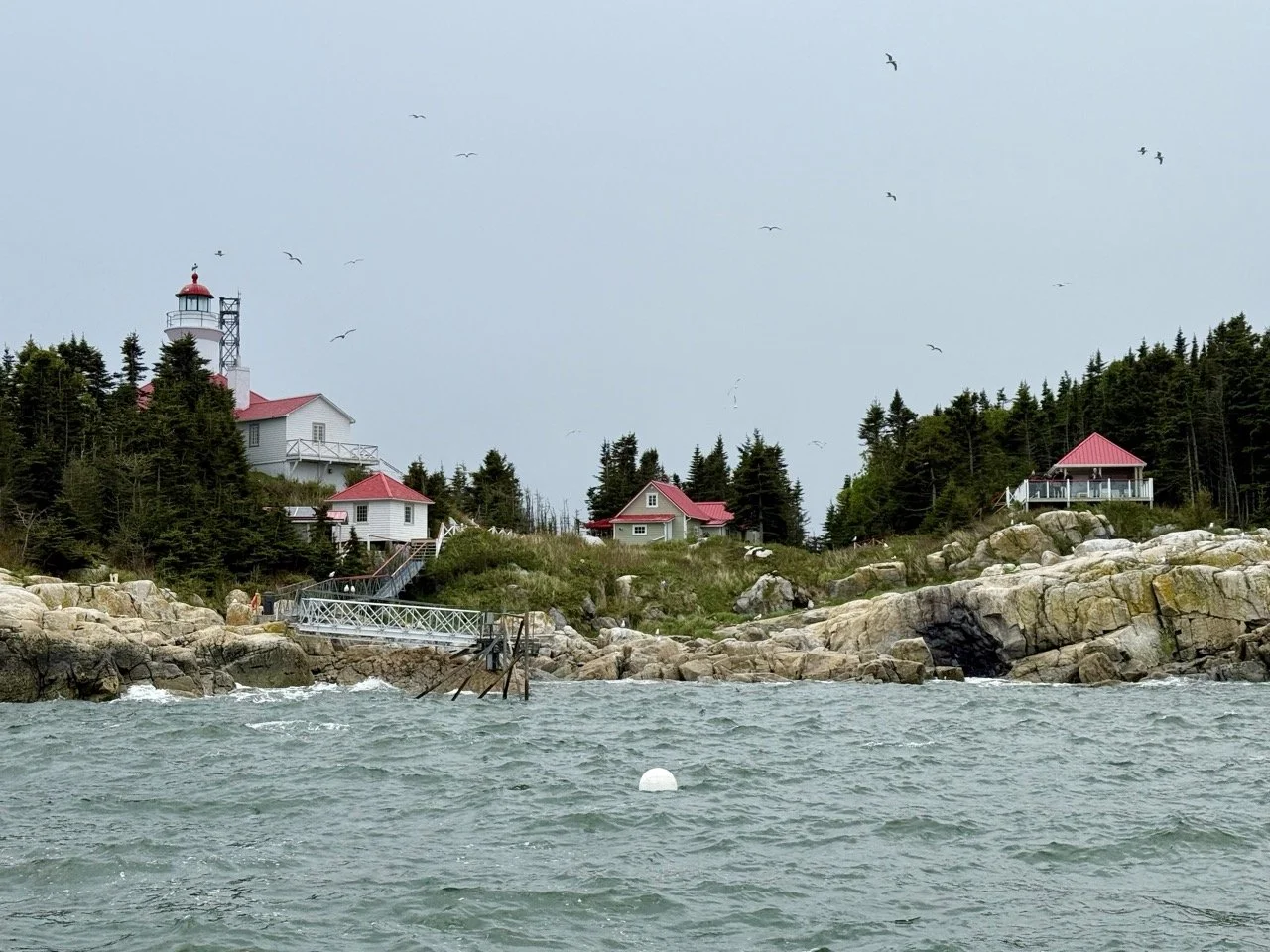
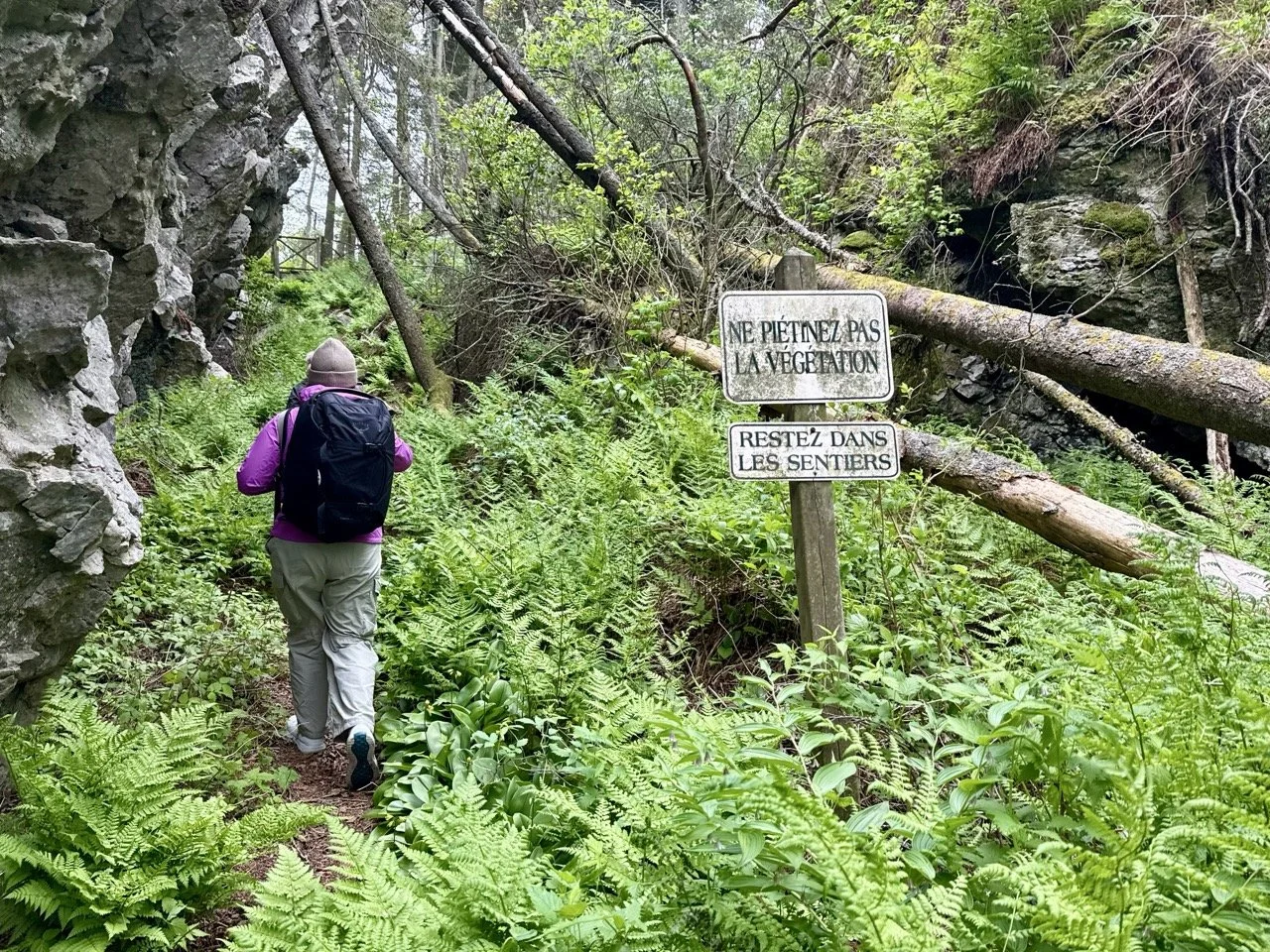
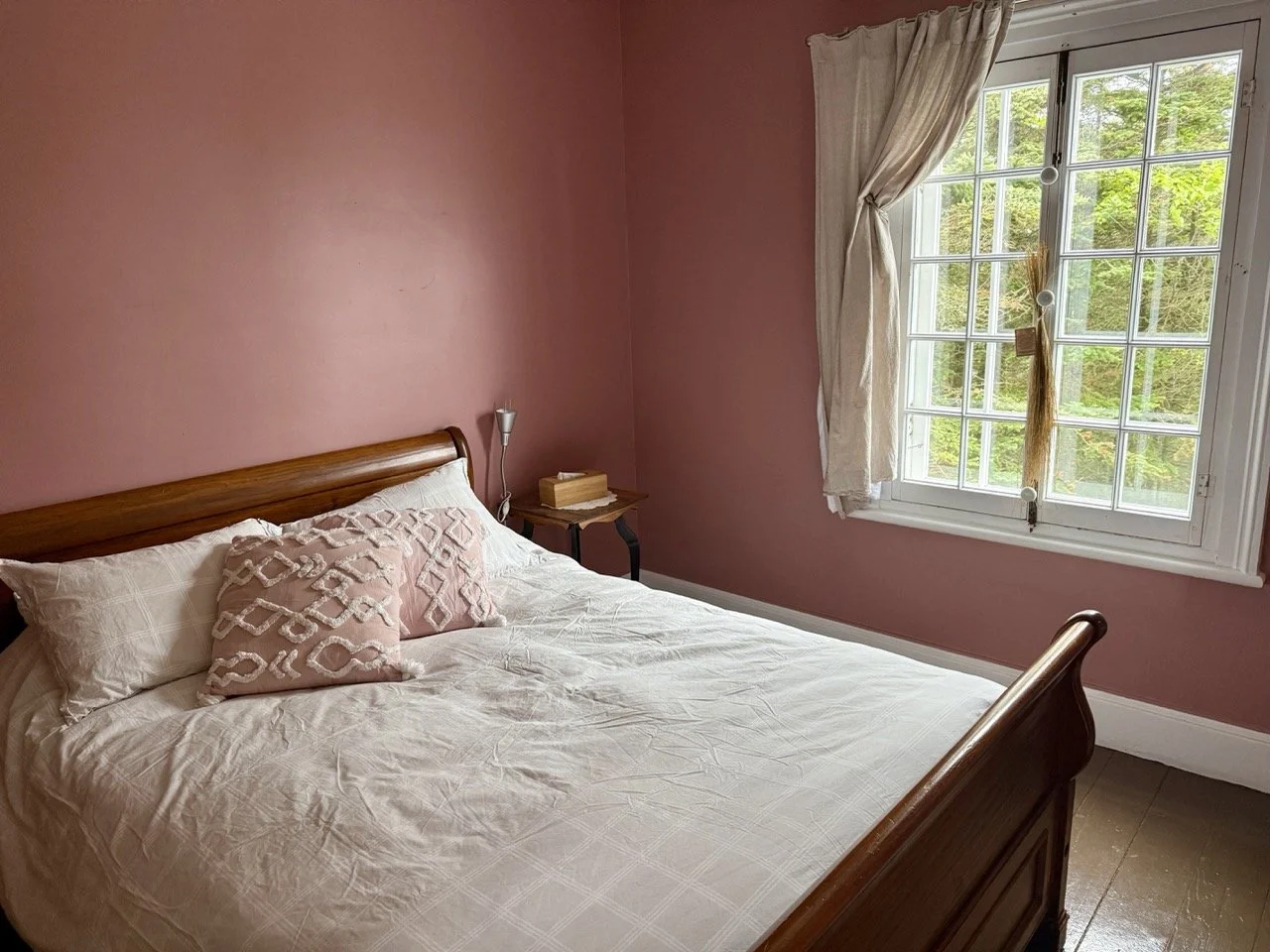
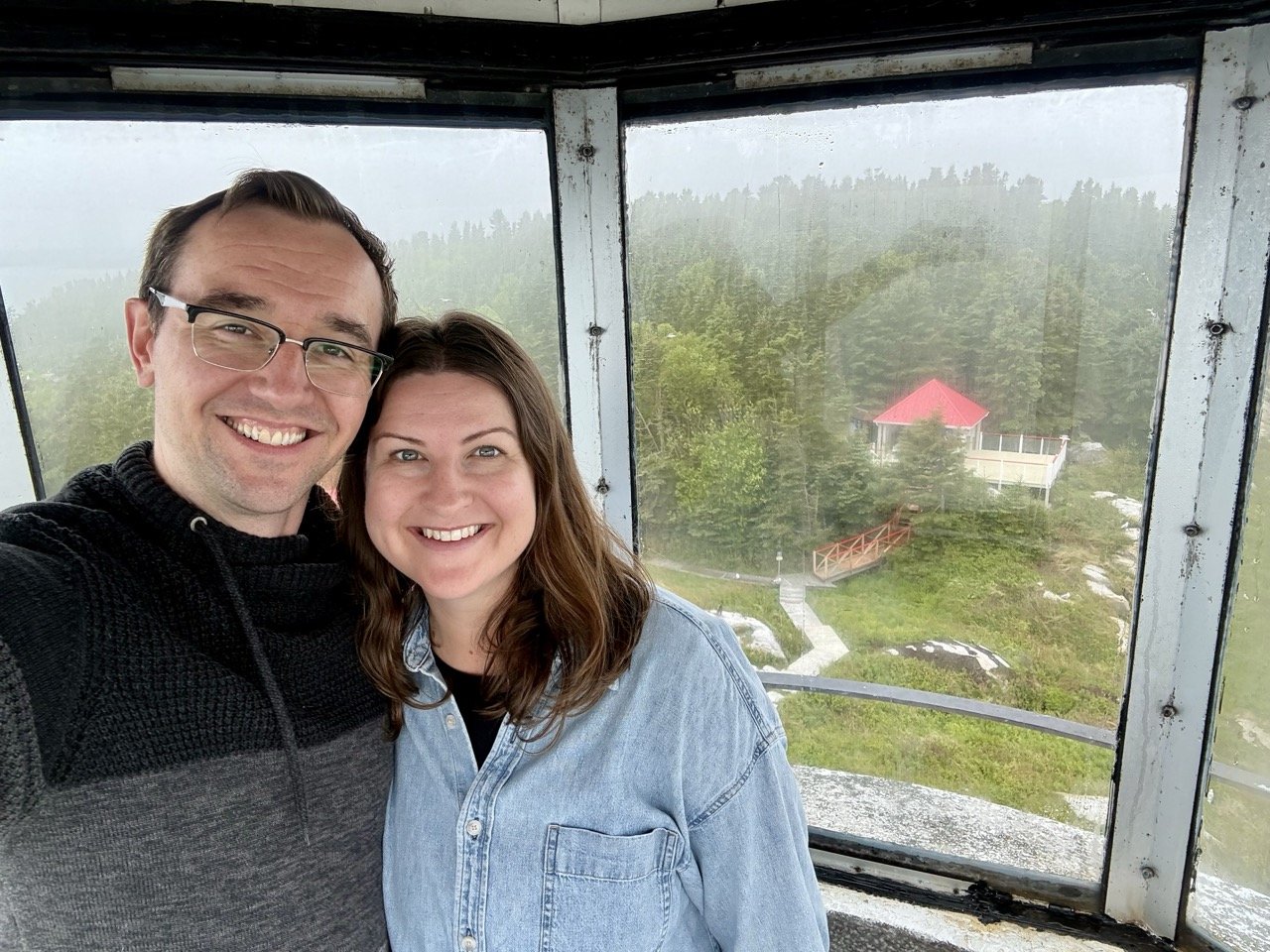
Before I get into logistics here, know that, for us, this was one of our favourite travel experiences in recent memory. I’m not talking about our favourite travel experiences in Québec, or Canada for that matter, I mean globally. And this, from someone who is writing this with a touch of jet lag from my recent adventures in Kazakhstan.
What we have in this nation, and in this province in particular, holds up to anywhere. It’s travel I have to thank for driving that home — what we take for granted in this country could be an entire itinerary for a traveller in another nation, and they’d be happy as can be. We can’t forget that.
We started our adventures here by checking in to the Société Duventor Office, located in the Rivière-du-Loup Marina building. From there, we were boat bound for Pot à l'Eau-de-Vie Island, which is also known as “Brandy Pot Island.”
You’ll arrive at a small, protected archipelago in the middle of the St. Lawrence River estuary, and you’ll likely notice the cacophony of sea birds, first and foremost. There are three islands, technically - Le Gros Pot (Big Island), Le Petit Pot (Little Island), and Le Pot du Phare (“Lighthouse Island”— where you’ll be staying).
Eventually, you’ll arrive at a historic lighthouse built around 1860, which has been converted into a cozy inn with three lovely rooms. Not surprisingly, this is a classified federal heritage building, and it does genuinely bring you back to another era.
Sabine and Sylvain are the keepers of this inn, and they’re special people. We went for walks around the island, they cooked us fresh fish and ossobucco, and they regaled us with stories of their life, this land, and everything in between. We shared this space with Alex and Suzie from Laval, Québec, and I believe that, even during our stay, we all realized this would be something we’d remember for a lifetime.
You can find full details about staying here right here. The weather wasn’t ideal for our stay, but that felt fitting, in a way. We were actually able to walk up to the top of the lighthouse, and see the trees blowing in the wind, the waves crashing on the shore — and, quite frankly, a reminder of why ships needed lighthouses like this to navigate these waters.
Snap a Photo at Parc de l’Ancien-Quai in the village of Saint-André-de-Kamouraska (and visit a nearby local brewery)
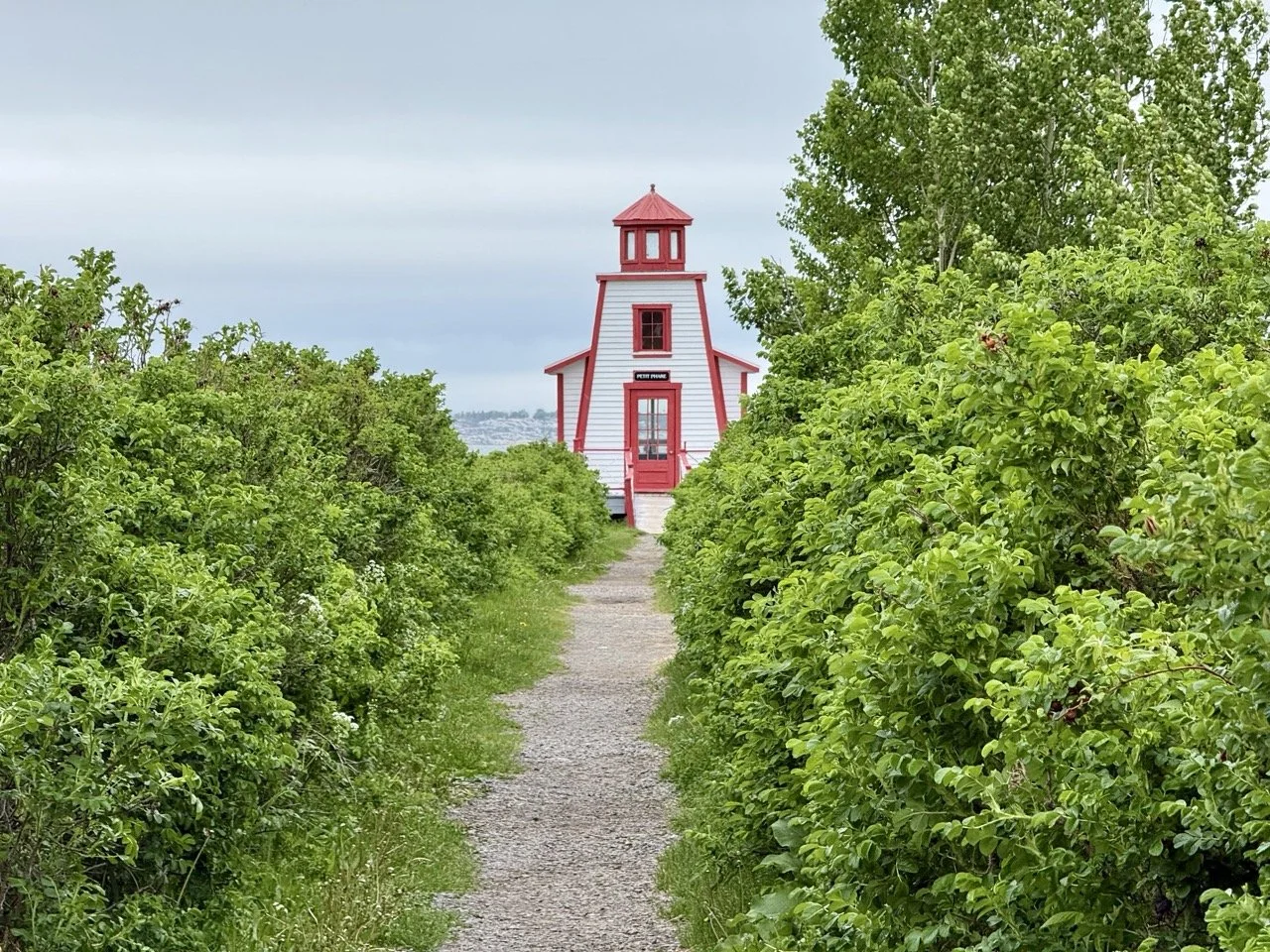
The lighthouse at Parc de l’Ancien-Quai. Photo Credit: Christopher Mitchell
This is a quick stop, but a worthy one nonetheless, especially if you’re keen to stretch your legs. You’ll arrive at Parc de l’Ancien-Quai (Old Wharf Park), and in the distance, at the end of the lane, you’ll see a small lighthouse.
I’d recommend starting by walking out to the lighthouse, and then taking advantage of the 5 kilometres of trails that are connected to the lighthouse. You’ll see them heading in both directions along the water, and it doesn’t have to be a long walk, as much as an opportunity to bring out the camera and get some different views of the landscape, the lighthouse, and the St. Lawrence.
From here, we headed to the Village of Kamouraska itself, but along the way we’d recommend stopping at the nearby Tête d’allumette Microbrewery to try some local beers. It’s bright, rustic brewery with ample styles of beer, as well as a patio facing the water. Many of the locals we spoke to described this spot as one of the best microbreweries in the province, and after having had the chance to taste more than a few, we would strongly concur.
Soak in the charm and beauty of the village of Kamouraska
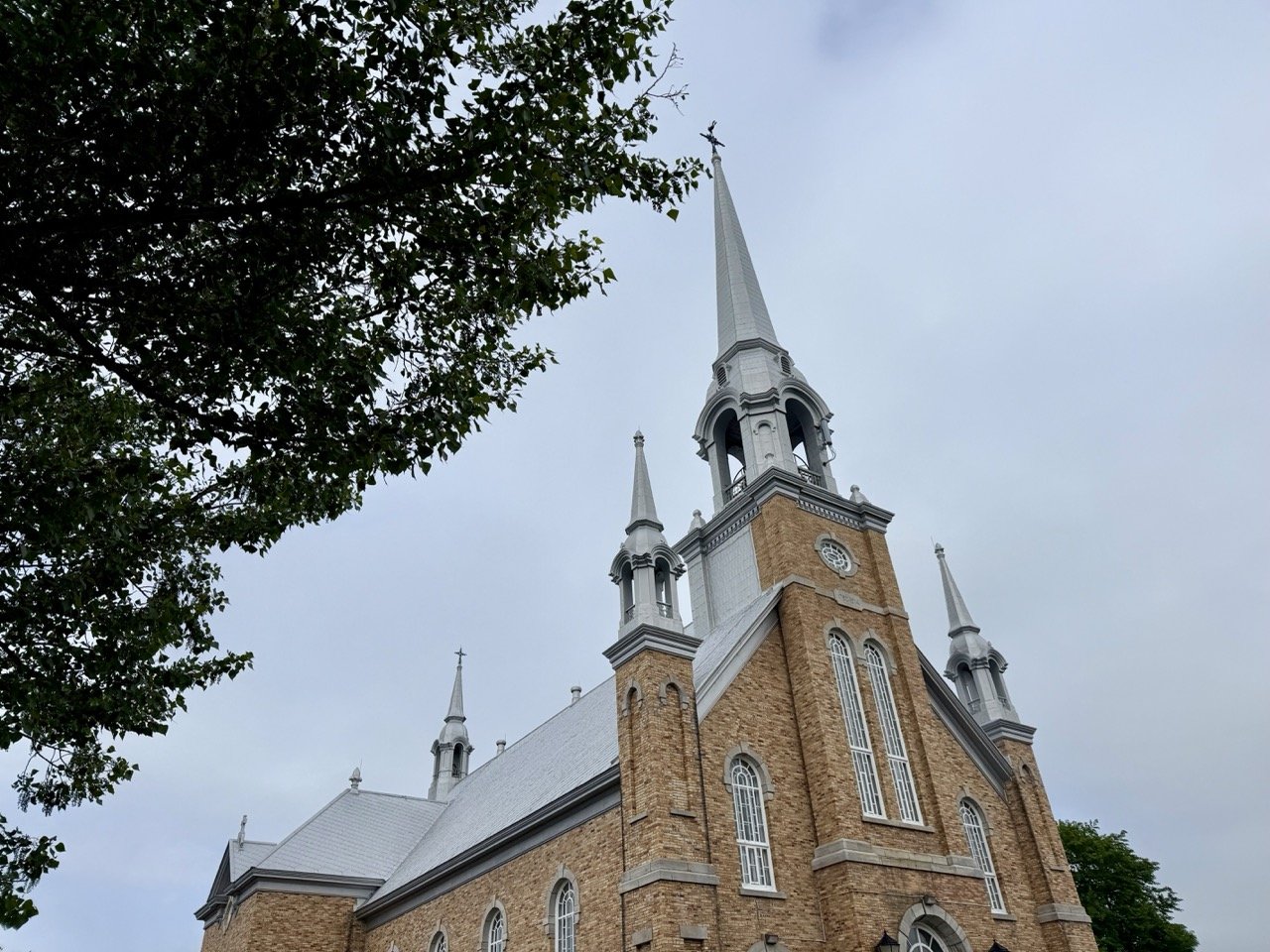
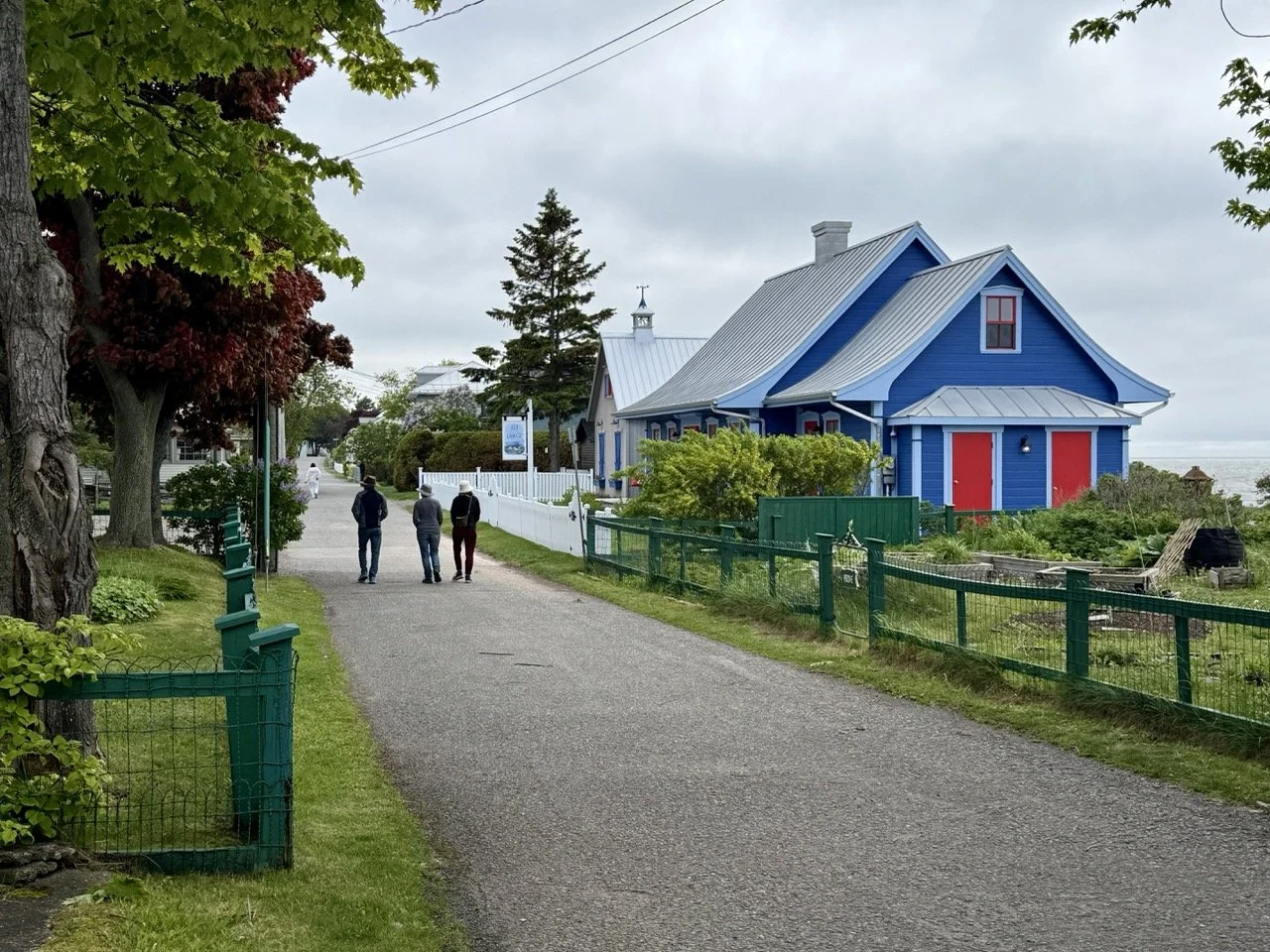
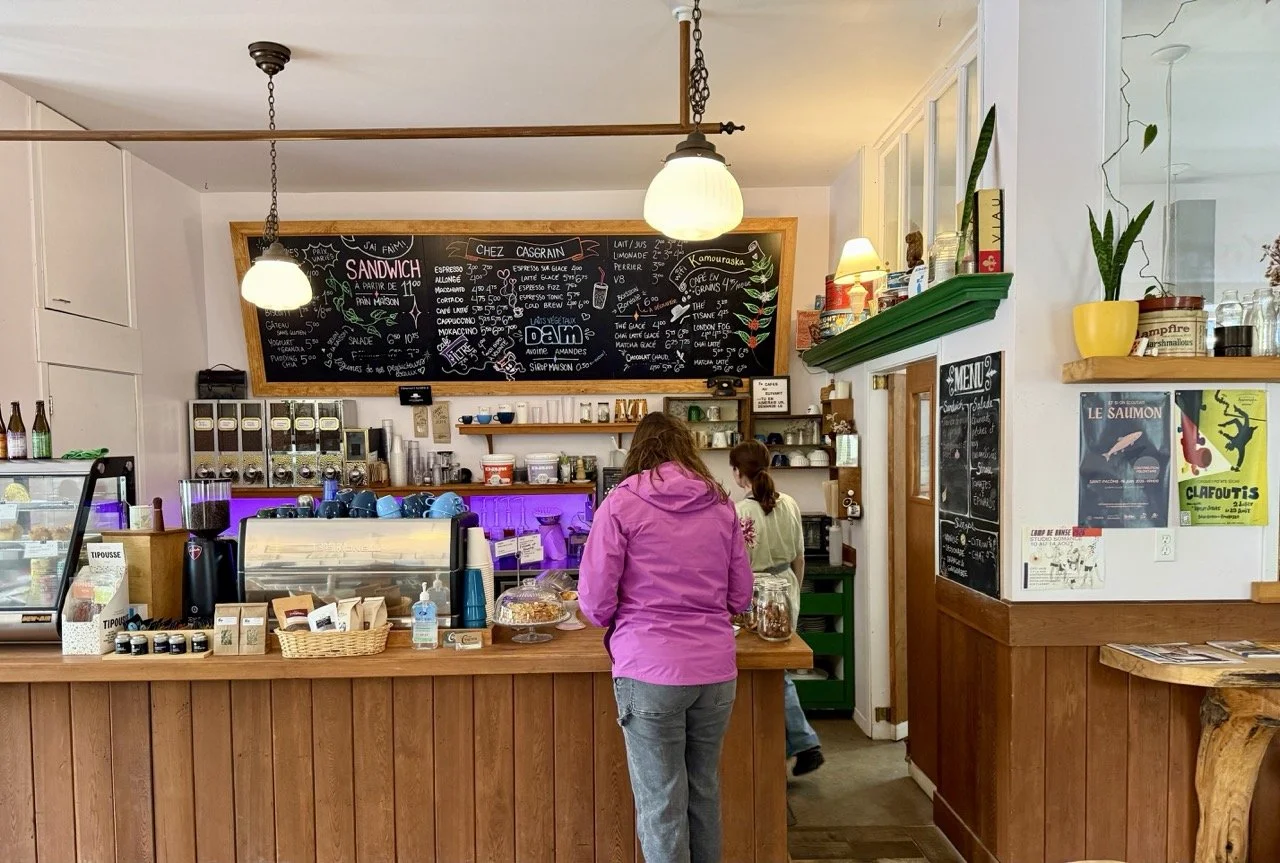
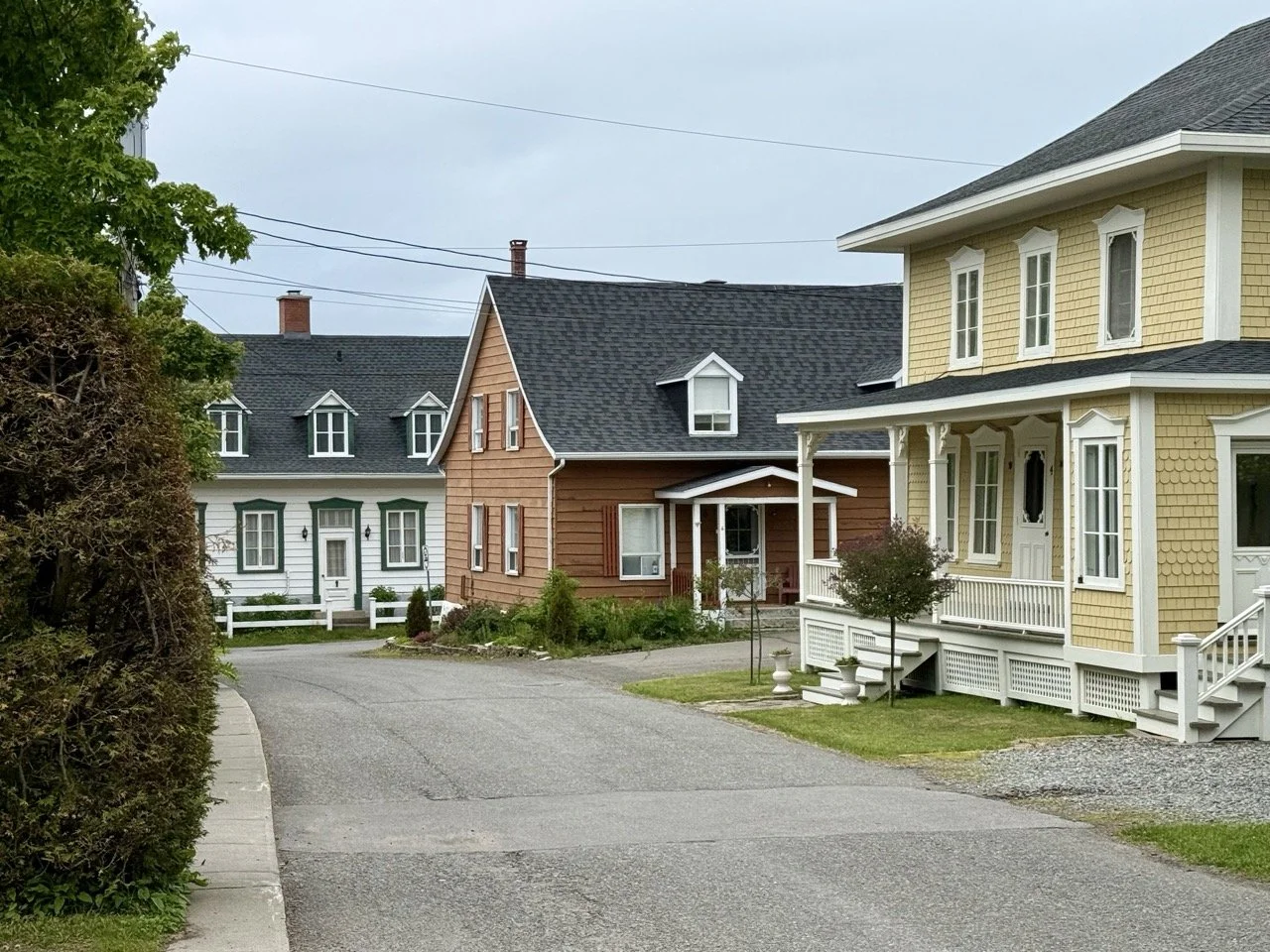
The best way to tackle Kamouraska, in my humble opinion, is to park your car (there’s typically a fair amount of parking near the church), and to simply walk, camera in hand.
First off, I’d focus on visiting a few local businesses, as they’re the lifeblood of the village. You can grab a lobster roll at Poissonnerie Lauzier, a coffee from a place like Chez Casgrain, or tend to that sweet tooth at Fée Gourmande. We had a loose plan going into it, but ended up popping into a number of places that we didn’t have on our radar (art galleries, the regional museum etc.), and we’d encourage you to do the same.
It’s not about the destination, as they say, but rather the journey.
Do not miss a walk along the streets by the water and the beach. The homes there are as picturesque as they come, along with the tasteful, inviting inns. The streets in and around Av. Chassé were stunning, as well as Av. LeBlanc, but I don’t think it’s as much about focusing on one street, as deciding you’ll dedicate an hour or so to exploring the area in full. In terms of housing and architecture, and the way that blends into the landscape (and even adds colour to that landscape), it’s as good as it gets in Bas-Saint-Laurent.
A side note - locals told me that if you love the feel of Kamouraska, you’d also love the look and feel of Cacouna, Québec, which is about a 30 minute drive away.
Round Out YouR Trip with a night at Auberge Comme au Premier Jour in Saint-Pacôme
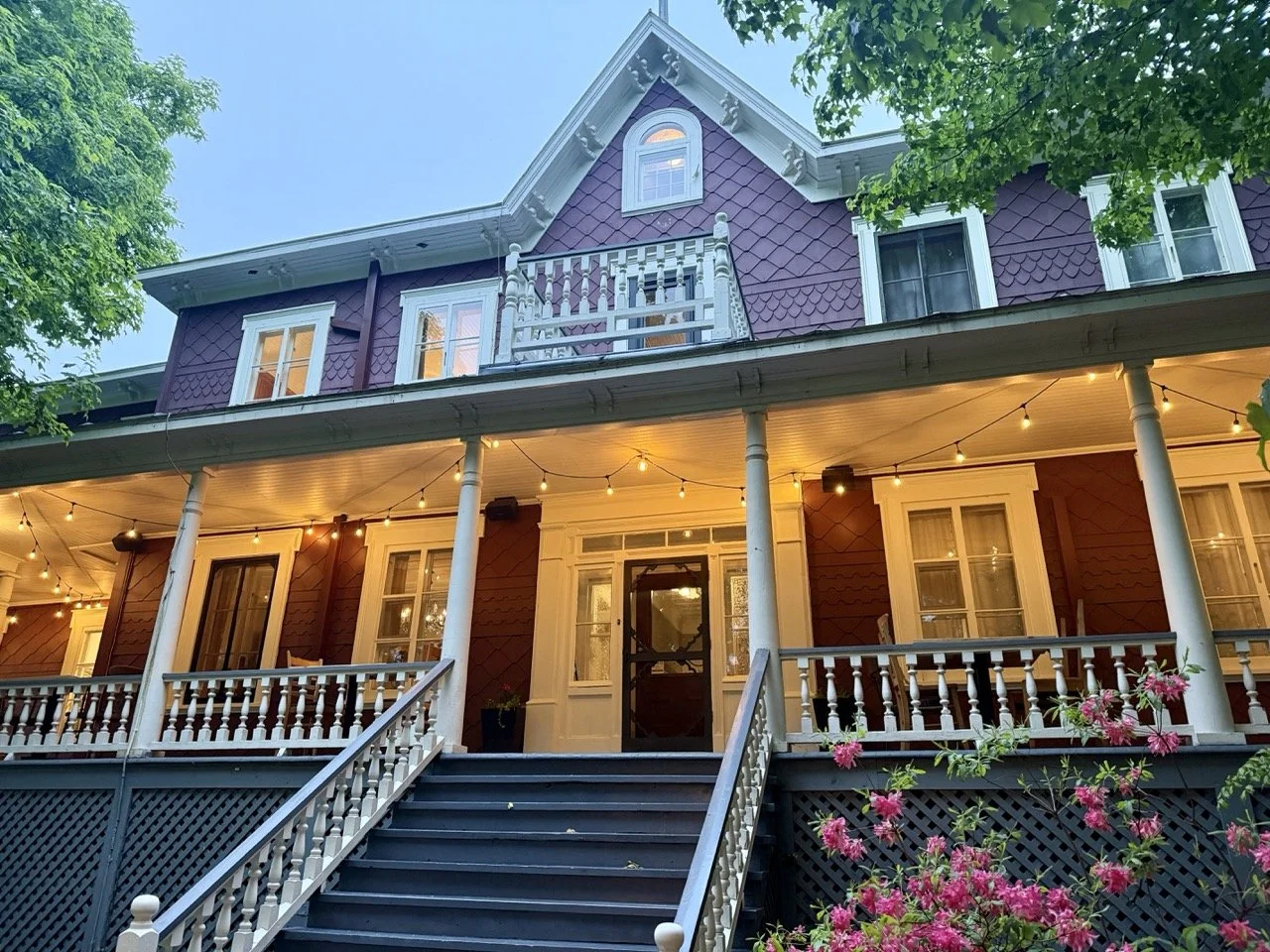
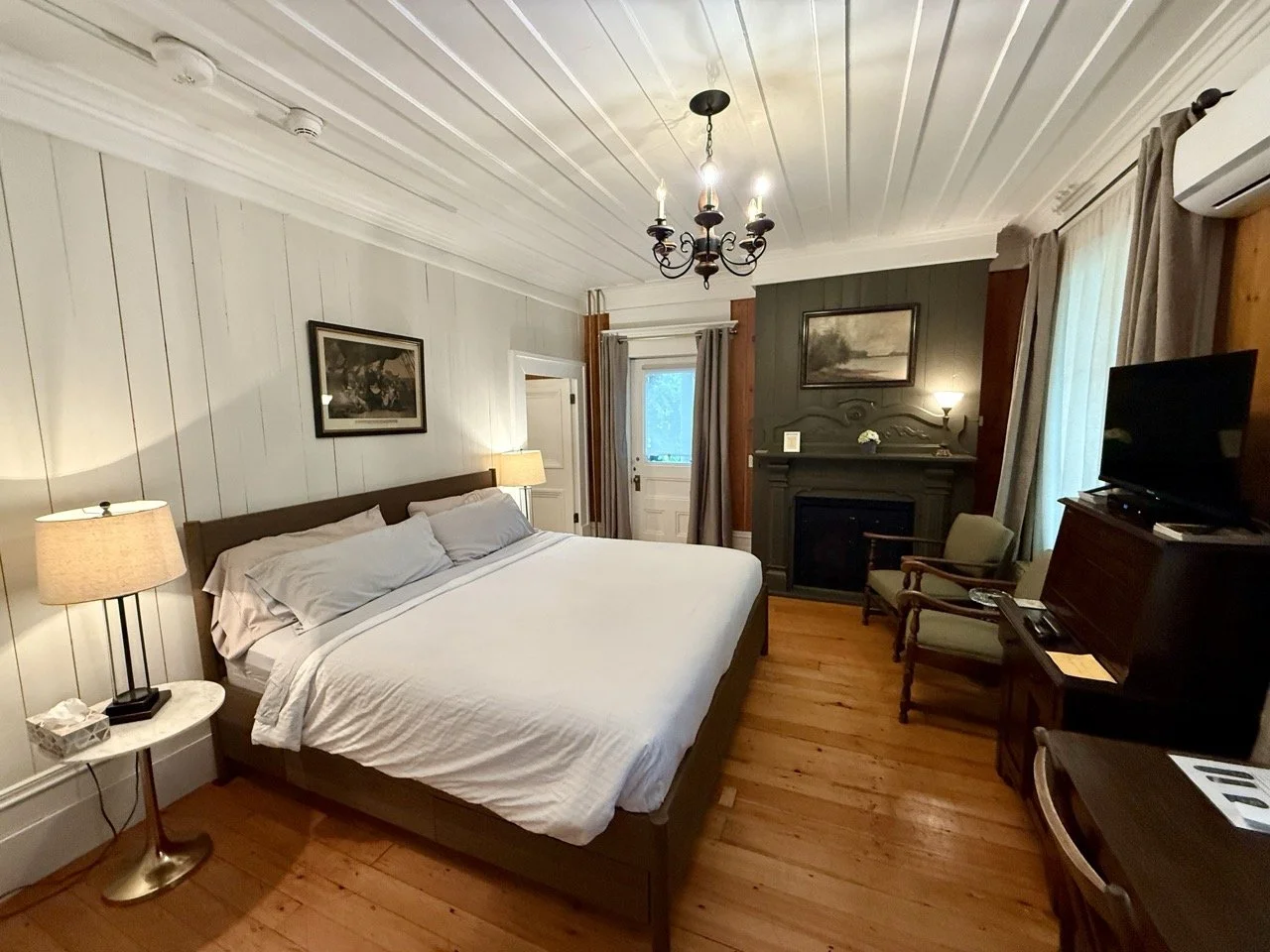
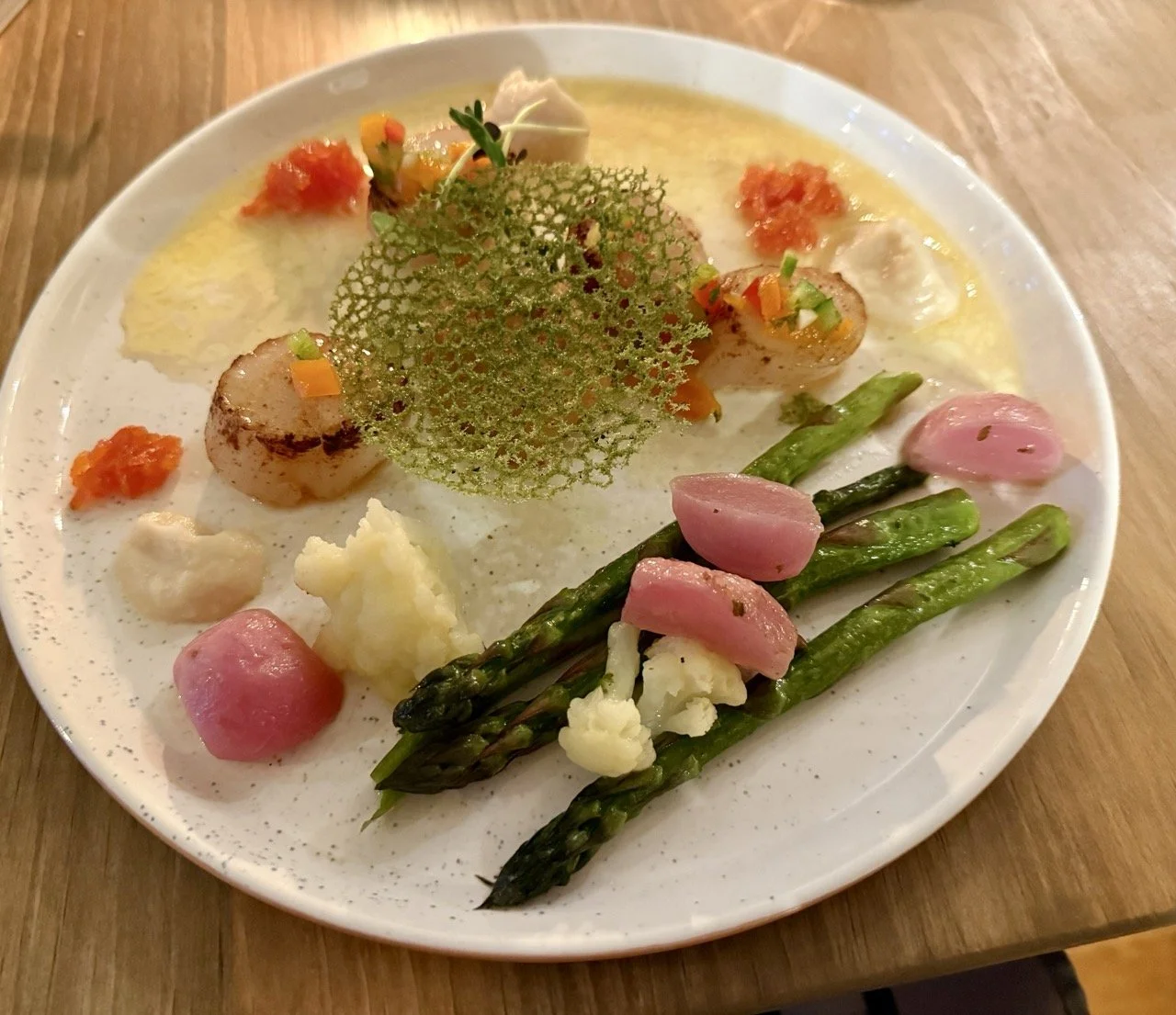
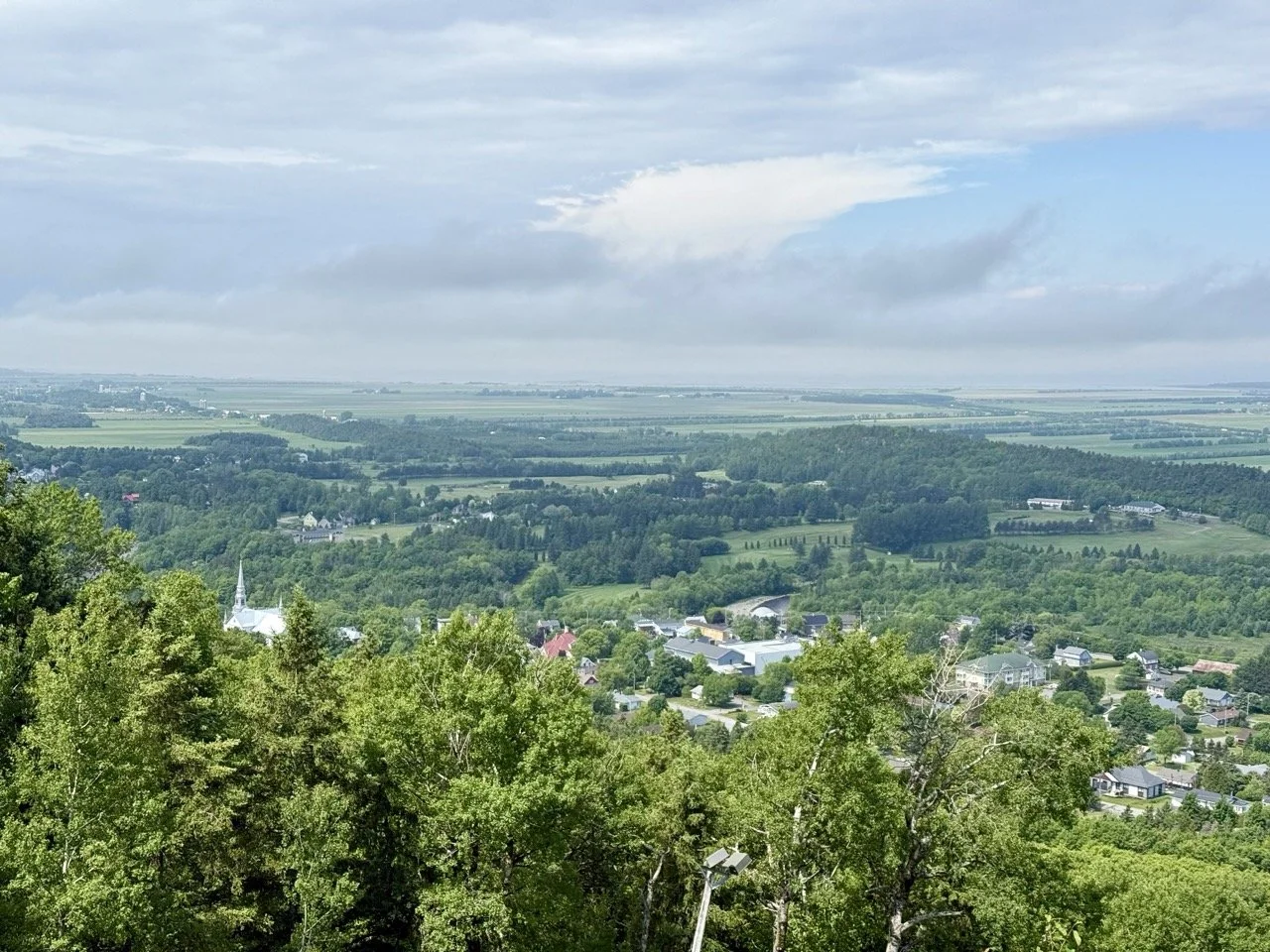
Auberge Comme au premier jour is an inn with everything you’d want in an inn. Lush gardens, a sun terrace, perhaps the nicest wraparound balcony that we came across in the region, attentive staff and exceptional cuisine (which, of course, highlighted local flavours and products).
You’re right in the heart of Saint-Pacôme, which makes it easy to take walks along the river, visit the local cinema and shops, or even play a round of golf nearby, if that’s your thing.
My pro tip? If you don’t mind a little elevation in a walk or hike, head up to Belvédère de la Croix. It’s a scenic lookout that takes about 20 or minutes so to get to the top of, but it offers unparalleled views of the region at large. When you catch your breath, finally, after heading up there, you’ll likely need to catch your breath again when you see just how magical the view is.
What I noticed most about Auberge Comme au premier jour is that it felt like a home away from home.
We were so comfortable there and so relaxed. It was also lovely to see how many food enthusiasts came from near and far to dine here, including many people who weren’t staying here. The restaurant was packed for dinner, but in a very good way — one where you feel like you get a sense for the people who make up the surrounding community (and how much they love and appreciate a quality meal, filled with local delights).
Hospitality comes easily to the people of Bas-Saint-Laurent, and that was certainly exemplified here.
What Else Should You Have on Your Radar for Your Bas-Saint-Laurent Road Trip?
I’m going to include some recommendations that you could rather easily add to the trip I’ve outlined here, and you can decide what could fit, depending on how much time you have to explore the region. We’ve also built out a guide to a Gaspé Peninsula Road Trip as well, if you’re keen to visit both regions in full.
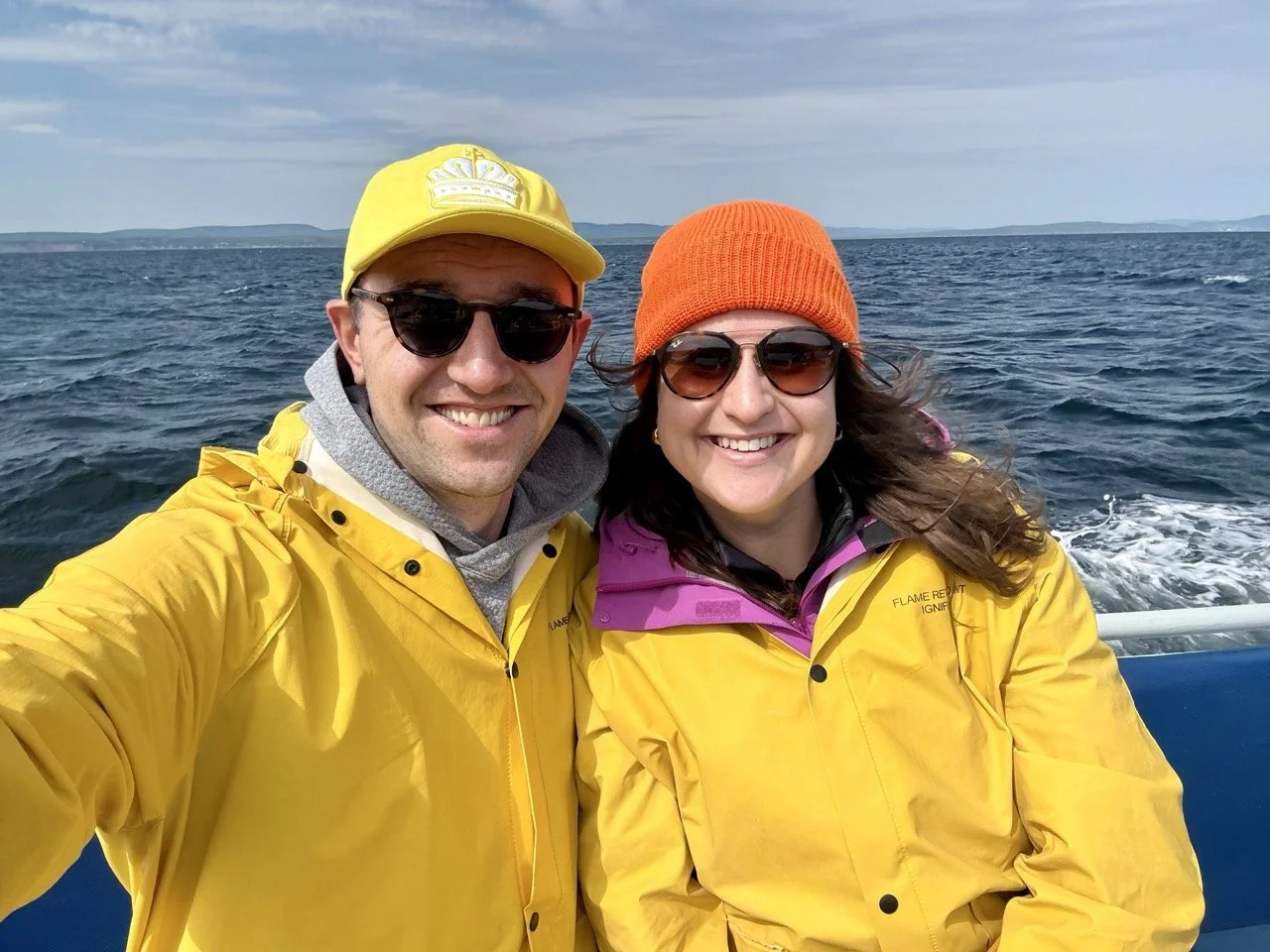
Did someone say whale watching? Photo Credit: Christopher Mitchell
If islands are your forté, you might want to add Île Verte (Green Island) to your itinerary, as it’s home to a lighthouse built in 1809, which makes it Québec oldest lighthouse.
If you’re keen for more history and context, you’ll be departing from the Rivière-du-Loup Marina Building when you head out to Brandy Pot Island — before you go (or after), you could visit the Musée du Bas-Saint-Laurent. Another site to add for history buffs would be Fort Ingall in Témiscouata-sur-le-Lac.
If you’ve always dreamed of doing some whale watching, it’s worth noting that there’s ample whale watching opportunities in Bas-Saint-Laurent!
If you’re looking for another city/island combo, consider visiting Trois-Pistoles and then making your way out to Île aux Basques.
I mentioned visiting Parc National du Bic, but if you’re looking for a different kind of nature (one that’s a bit further away from the St. Lawrence), then consider Parc national du Lac-Témiscouata. Lakes, forests, mountains - the works.
And this one just may be for me for next time, but I was very intrigued by the Petit-Témis Cycling Route, which spans a distance of 134 kilometres and traces an old railway line.
What I hope I’ve illustrated here is that, however you want to do your trip, you have options in this region, and there really aren’t any wrong turns. We had a plan, but that plan shifted based on who we talked to, what we saw on our way to other places, and what we truly connected with.
Have structure, and an idea of how you’ll explore Bas-Saint-Laurent, but don’t sacrifice flexibility. Bri and I try to give ourselves about 25% more time that we think we’d need to drive a route, simply to give ourselves the opportunity to embrace chance — because in Bas-Saint-Laurent, you truly never know what you’ll see around the next turn, if only your eyes are wide open.
We want to thank Quebec Maritime and Bas-Saint-Laurent for hosting us as media. All opinions are our own.