
Visiting Fulford Place: Explore This National Historic Site of Canada in Brockville, Ontario
A visit to Fulford Place doesn’t just offer a glimpse into the luxurious lifestyle of another era, it also offers the story of a family who truly has a tale unlike any other. You might connect with the mansion itself, the gilded furnishings, or perhaps the garden, but you may also connect to George Fulford’s pioneering marketing techniques, as he built his fortune selling “pink pills for pale people.” This is an Ontario travel hidden gem, plain and simple.
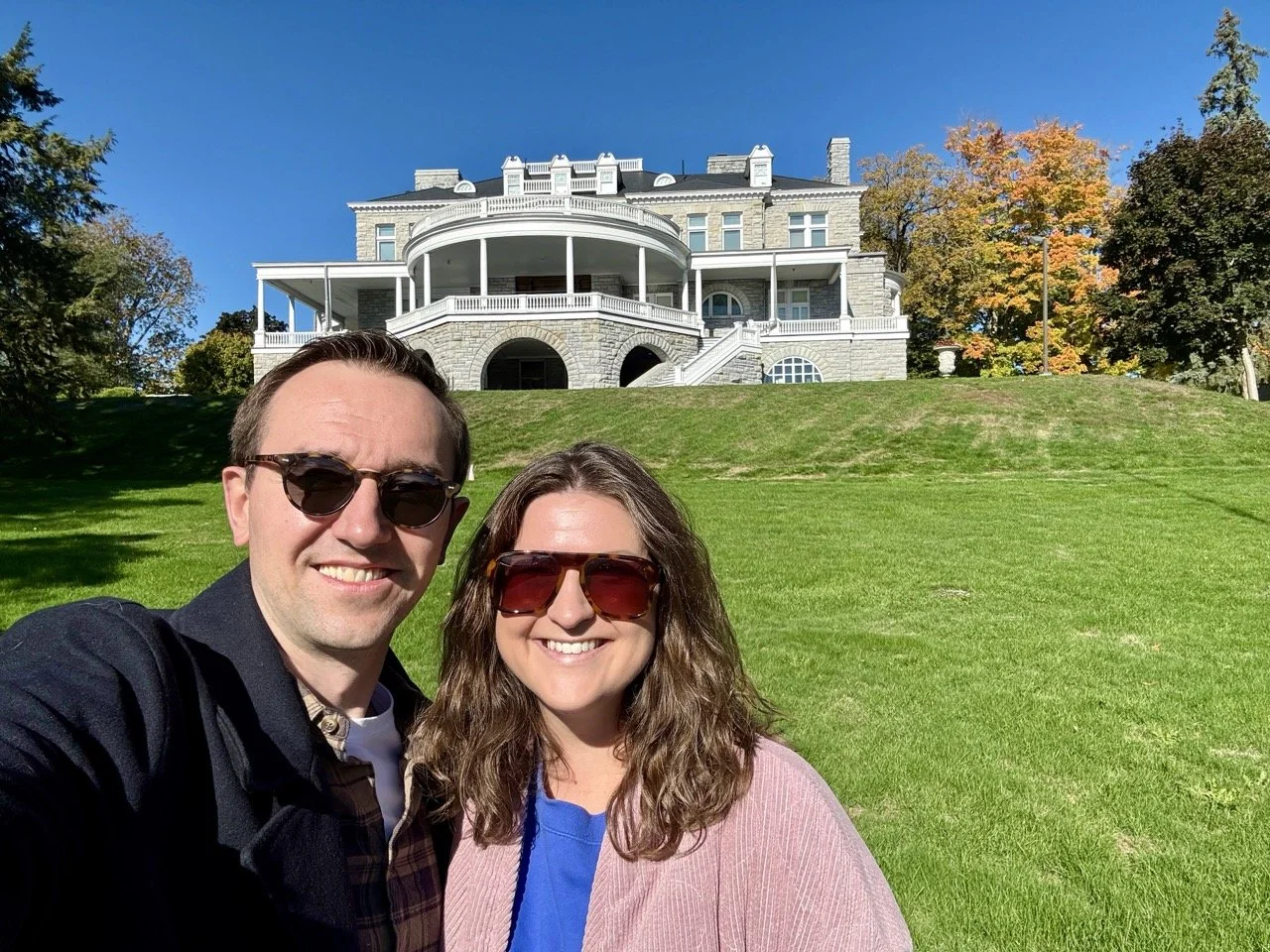
Enjoying the grounds of Fulford Place, with the Veranda right behind us. Photo Credit: Christopher Mitchell
I’ve often wondered why, generally speaking, Canadians are so willing to travel halfway across the world and fully invest in exploring other destinations, and yet, far too often, we lack that same enthusiasm to explore our own backyards.
The stories we have here are worth and understanding, and the people who invest their time and energy into preserving those stories are worth meeting. Ultimately, when we adopt that kind of mindset, the map around us because significantly more meaningful.
I used to drive back and forth to Queen’s University from Toronto in my younger days, and I’d pass the Brockville sign, but I didn’t yet have a personal connection to the city, since, quite frankly, I hadn’t invested the time to establish one. Now, when I drive past the Brockville sign, not only am I prompted to wear a knowing smile on my face, but I’m also flooded with memories.
There are plenty of things worth doing in Brockville, (strolling the Brockville Railway Tunnel, then visiting local businesses on King Street always being a good starting point), but I would argue that there are few hidden gems in this province quite like Fulford Place.
Not only are you transported back in time at this Edwardian era historic house museum, but some of the facts surrounding the property and the family were astonishing to Bri and I.
Did you know, for example, that one of Canada’s most, shall we say, unique and eccentric prime ministers, William Lyon Mackenzie King, did his first seance here in 1932? In fact, it’s said that Fulford Place is where his whole spiritual journey began.
And that’s just one story of many — with open ears and eyes, Fulford Place is just brimming with stories.
So, How Did Fulford Place Come to Be?
To me, the story of Fulford Place starts in 1890 when George Taylor Fulford bought the rights to “Pink Pills for Pale People” for $53.01.
He basically invented the innovative marketing that advertisers use now the medicinal field, and he didn’t just focus on Canada. He had specialized marketing campaigns going in 87 countries, and many marketing professors credit him with being one of the first people to use testimonials in marketing and have people associate a medication with an upbeat lifestyle or “life changing medicine.”
There’s a room dedicated to some of these advertisements in Fulford Place, and you can see how they set the groundwork, for better or worse, for a lot of the effective advertising we see today. You can see, for example, that he was quick to realize that, if you made advertisements in newspapers and magazines look like articles, then people would take your assertions about a product more or less as fact.
He also was one of the first people to invest in advertising at this scale, and it’s part of what made him a millionaire and, thus, part of how Fulford Place came to be. Fun fact, at one point, he had ads in over 30,000 newspapers around the world — let that sink in.
For what it’s worth, the pills were essentially an iron supplement (with some sugar and starch), and because anaemia was so prevalent at the time, it really was a sort of “miracle medicine.”
This was a company that lasted in some form until 1989, by the way, so no one can argue it didn’t have some staying power.
Learning the depth of this story alone was worth the visit, but this isn’t just a site for marketing buffs like myself. He made millions, but he put a large chunk of that money into Fulford Place, and it shows.
Fulford Place, In Full
This wasn’t just a house, it was very much “an estate,” which makes it all the more fun to visit.
The Mansion
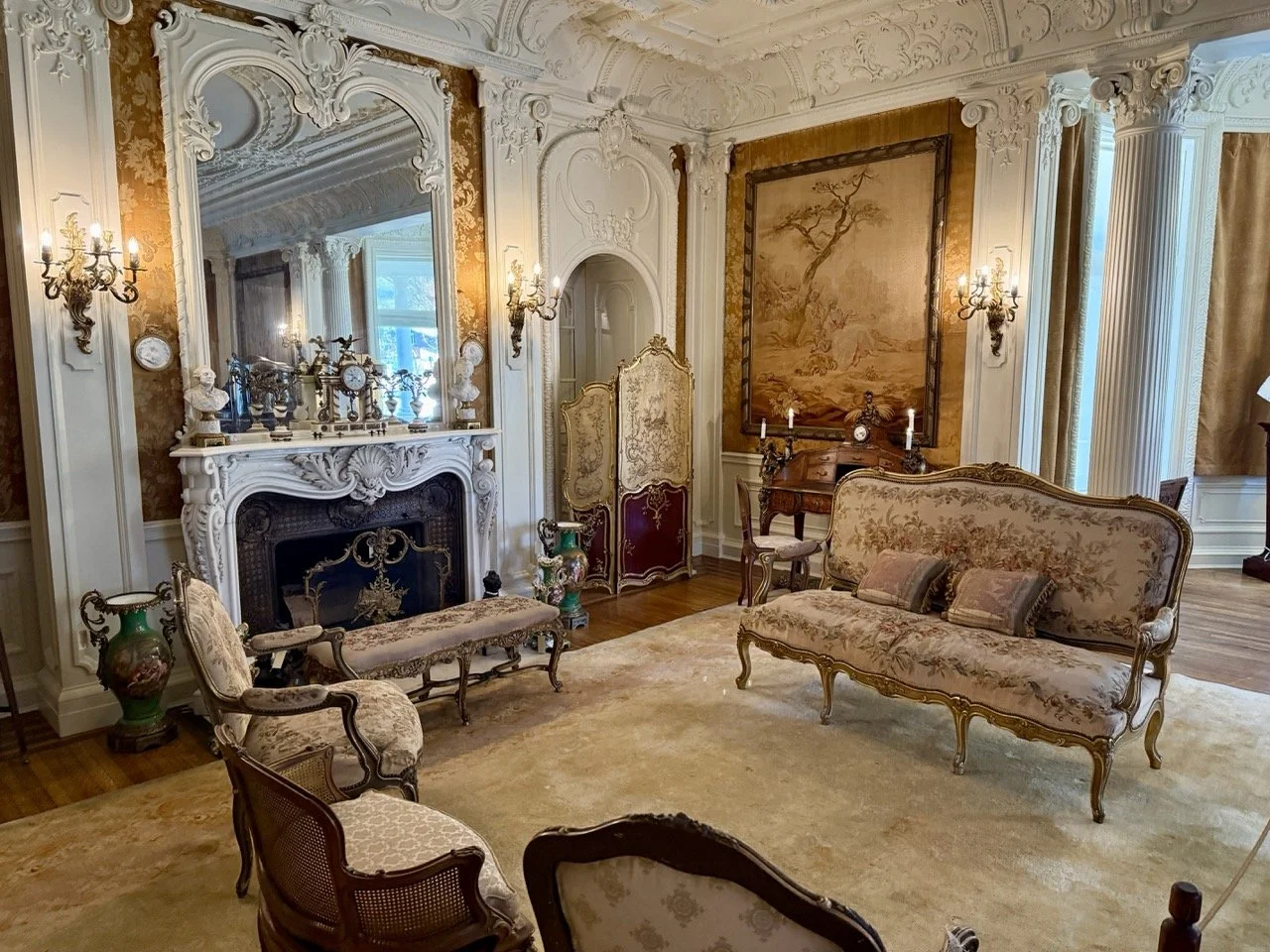
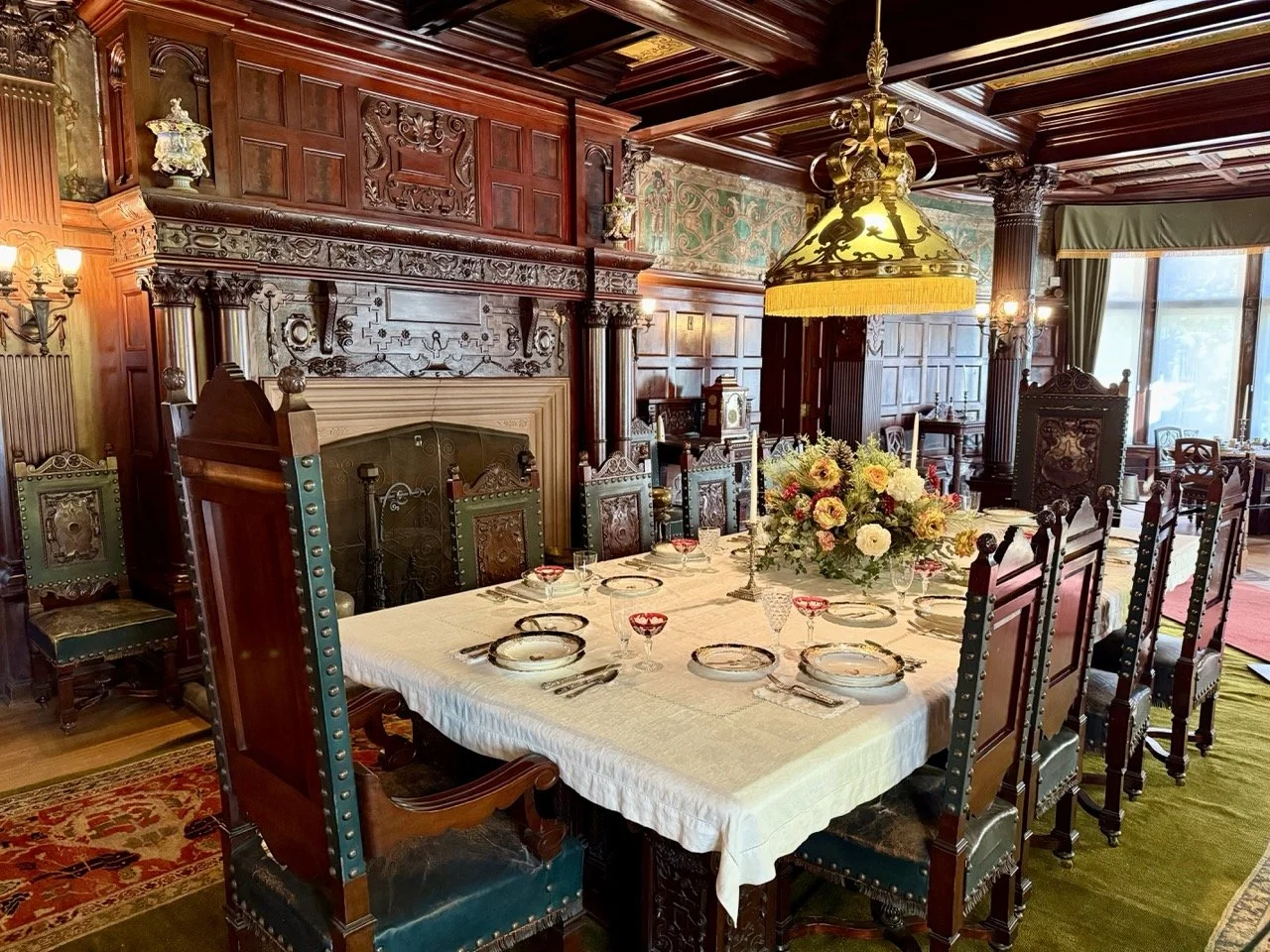
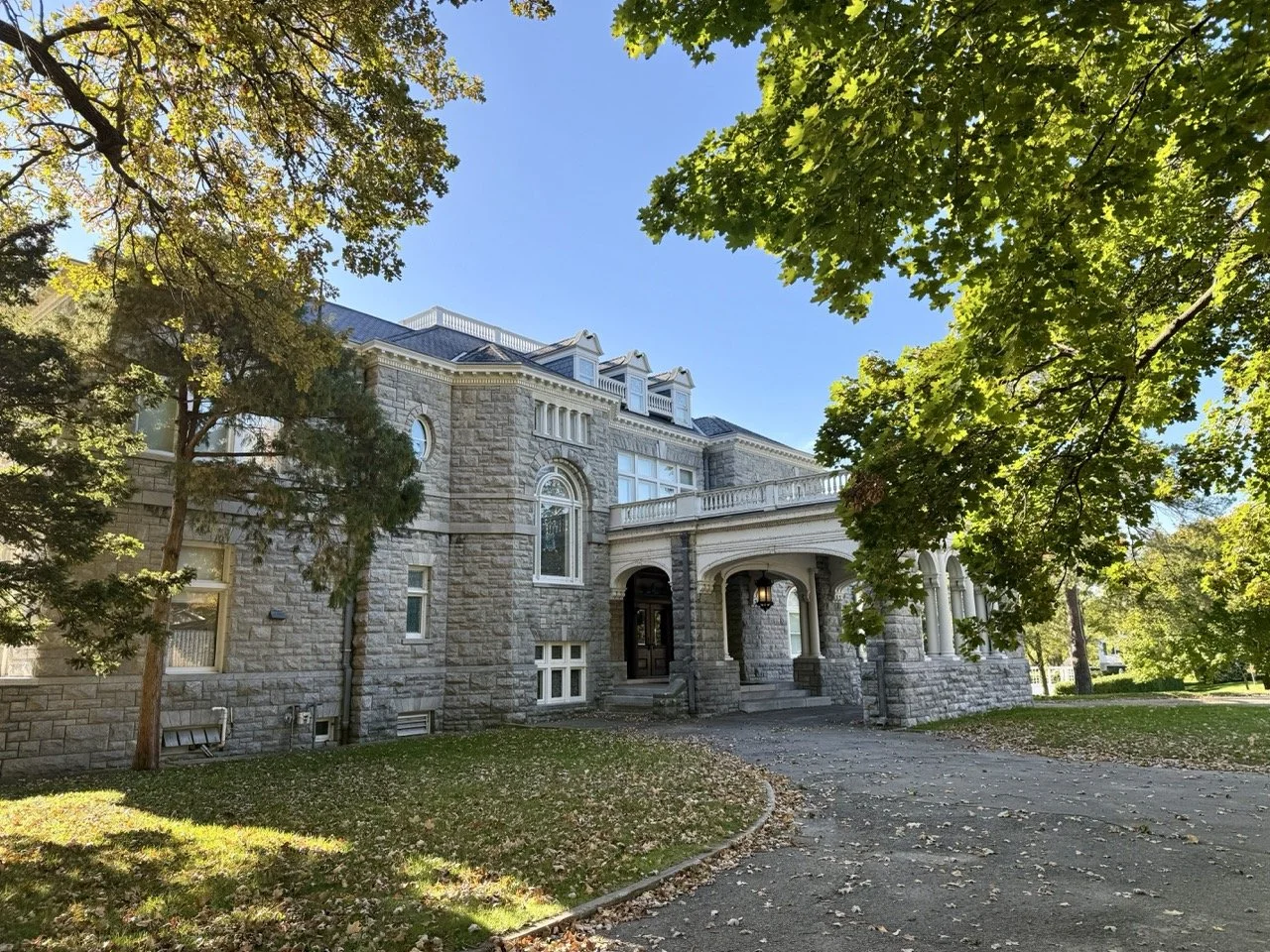
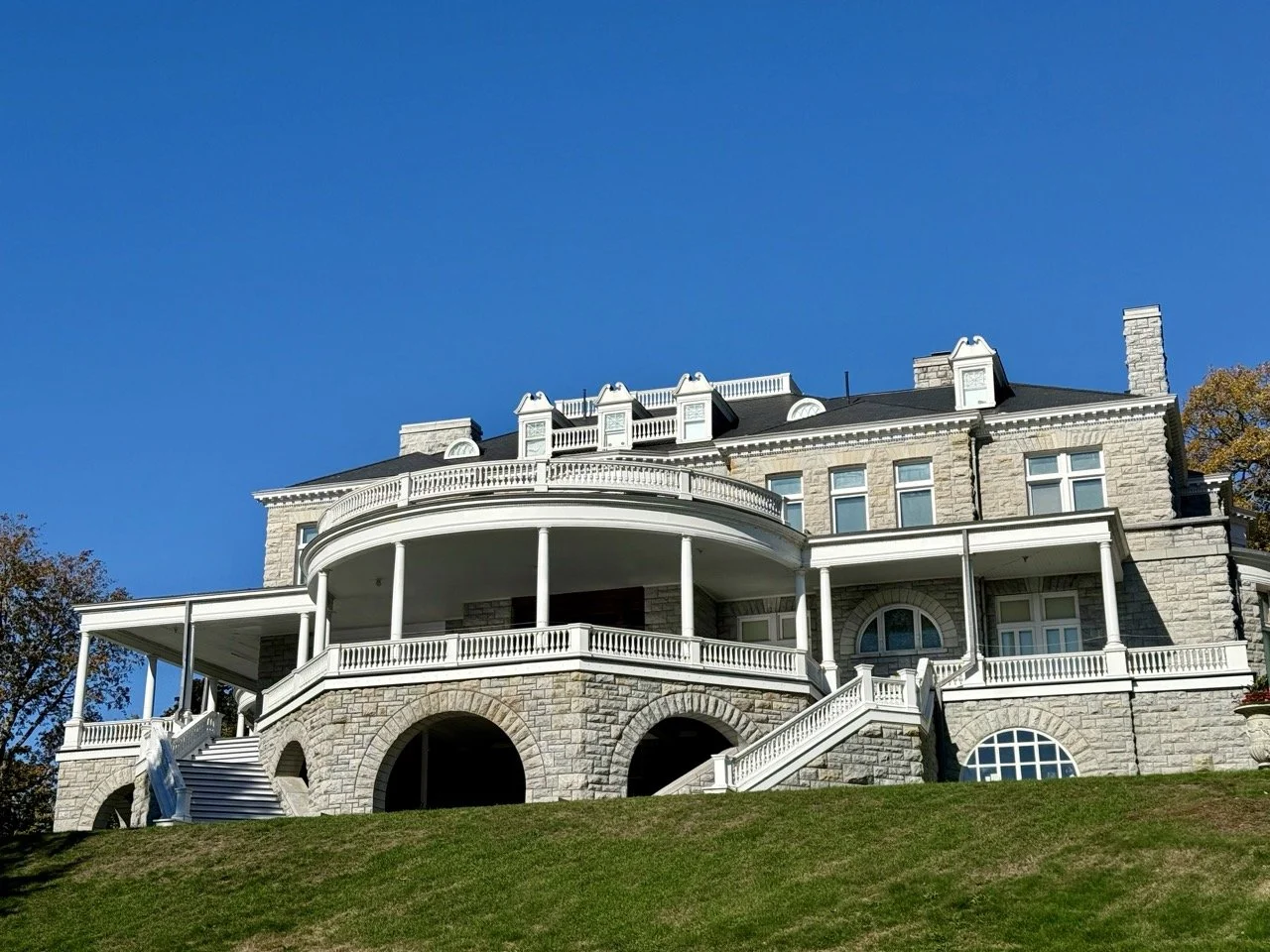
George Taylor Fulford I was not only a self-made millionaire, but he was also a senator, and that means that he and his family needed to build a place that was fit to host the best and the brightest. Building a 20,000 square foot mansion, designed by famed architect Albert W. Fuller is certainly a good place to start.
The 35 room mansion was meant to embody Richardson Romanesque architecture, and that’s why we have all of those rounded arches, smooth brickwork and carefully carved, delicate stone ornaments. As you might imagine, it was also one of the first homes in the area to have plumbing and electricity.
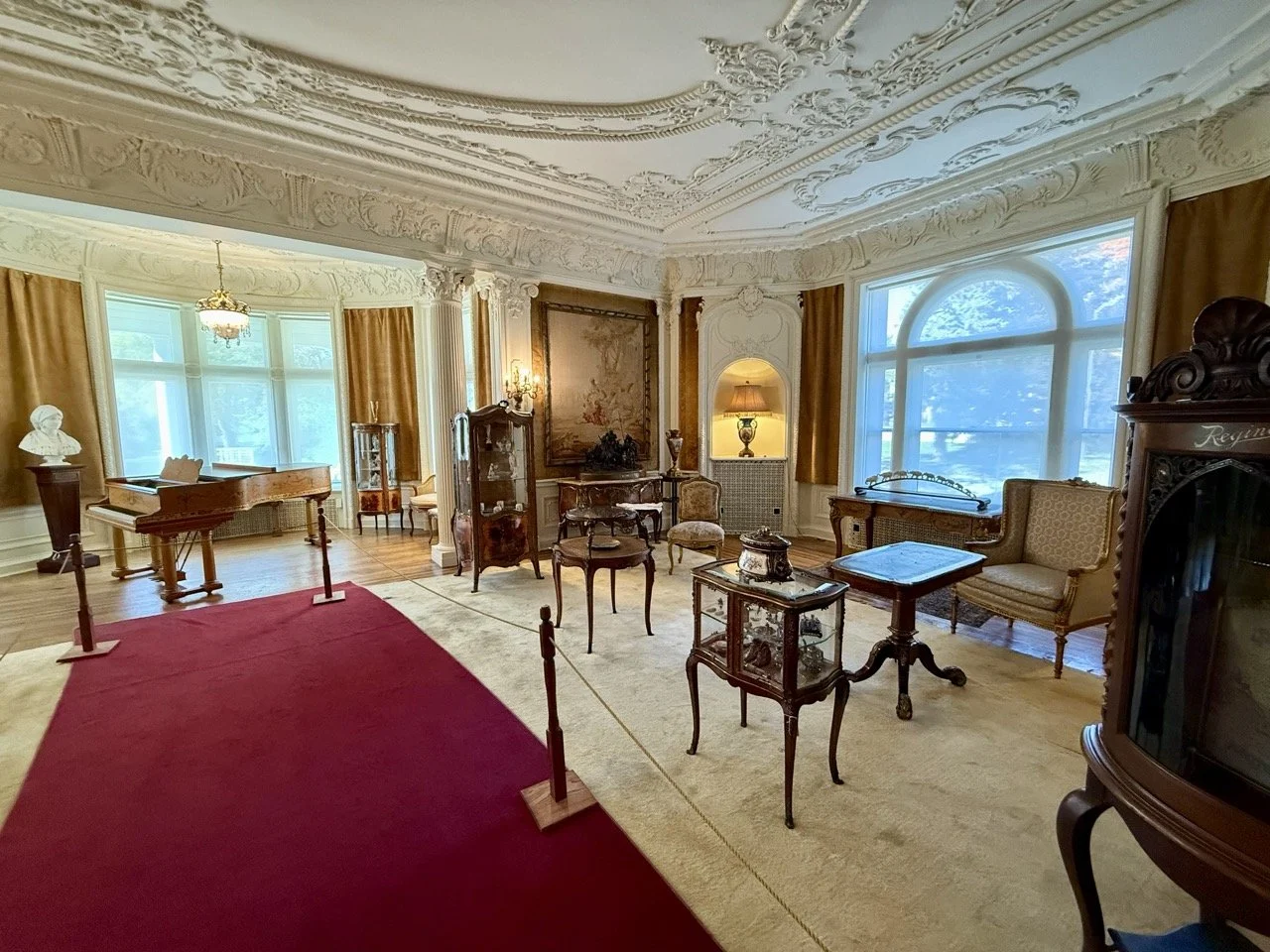
Something I was fascinated in was the woodwork. Each room had its own type of wood to suit the purpose of the room. Mary Fulford, George’s partner who was an established Wisconsin socialite, worked with an interior decorated to make sure each room had its own unique style.
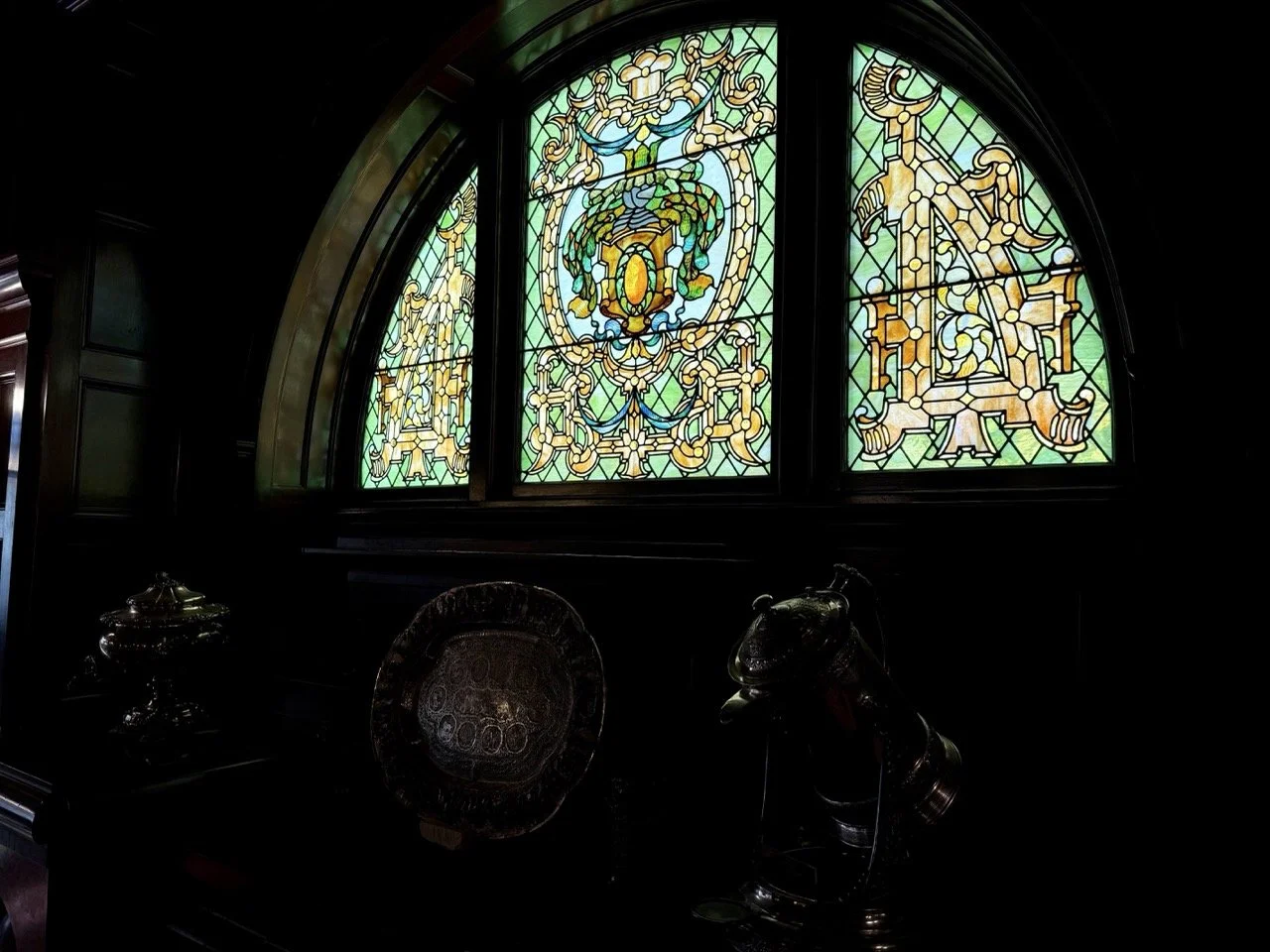
You’ve got a grand hall for hosting, an incredible veranda, drawing rooms, smoking rooms, and everything in between. And keep your eyes open for the little details, such as the upright record player that was one of the first of its kind (and still works), as well as the stained glass. Don’t just look around, but also up, as the ceilings are magnificent in almost all of the rooms.
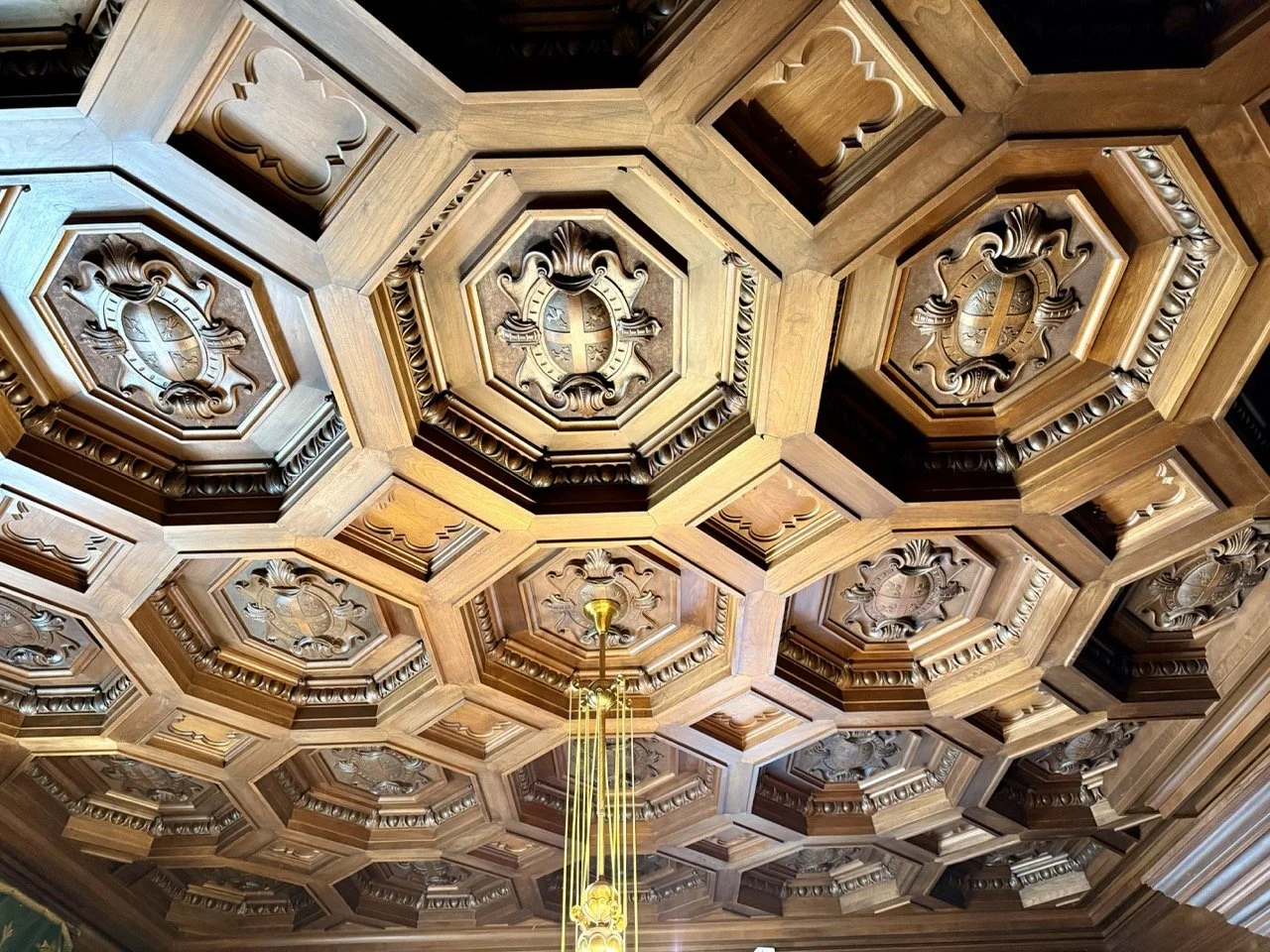
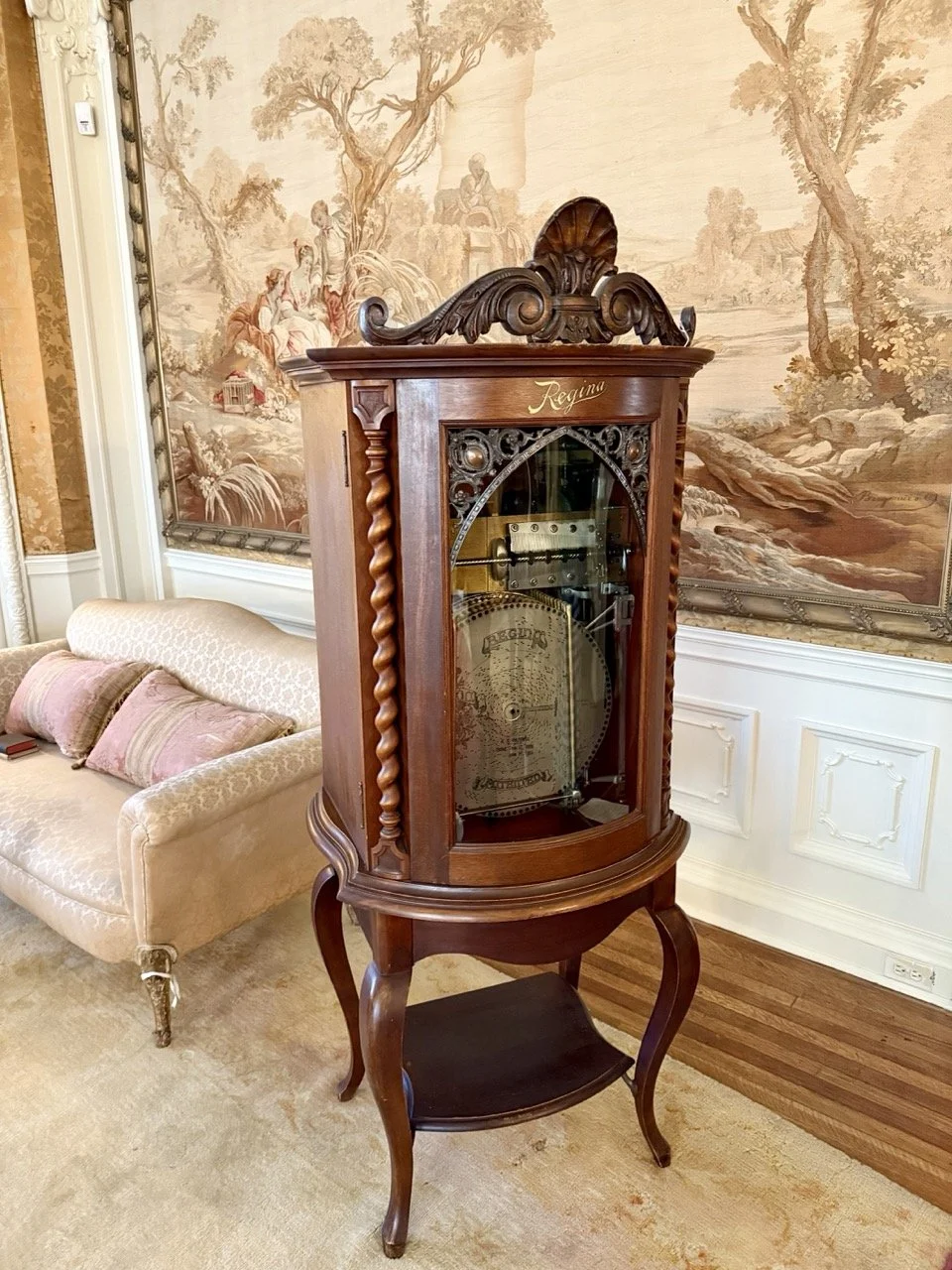
Having a tour guide was helpful to help the rooms come alive, though you can also go the self-guided route. You can find full information here, but the main thing to note is that Fulford Place is typically open to the public from early June to September. They do host seasonal events, and will do private group tours, and you’ll find all info at the link above.
It is also accessible as the site is equipped with an elevator, and there’s a ramp to give visitors access to the veranda.
The Gardens
What if I told you that the original gardens at Fulford Place were designed by the Olmsted Brothers? You know, the same people who designed Central Park in New York City and Mount Royal in Montreal!
Madelaine, our incredible host at the property, let us know that George Fulford was all in on Italian style gardens at the time, while Mary was more partial to the wildness of English gardens. Apparently, to appease both their sensibilities, the Olmsteads decided to do both.
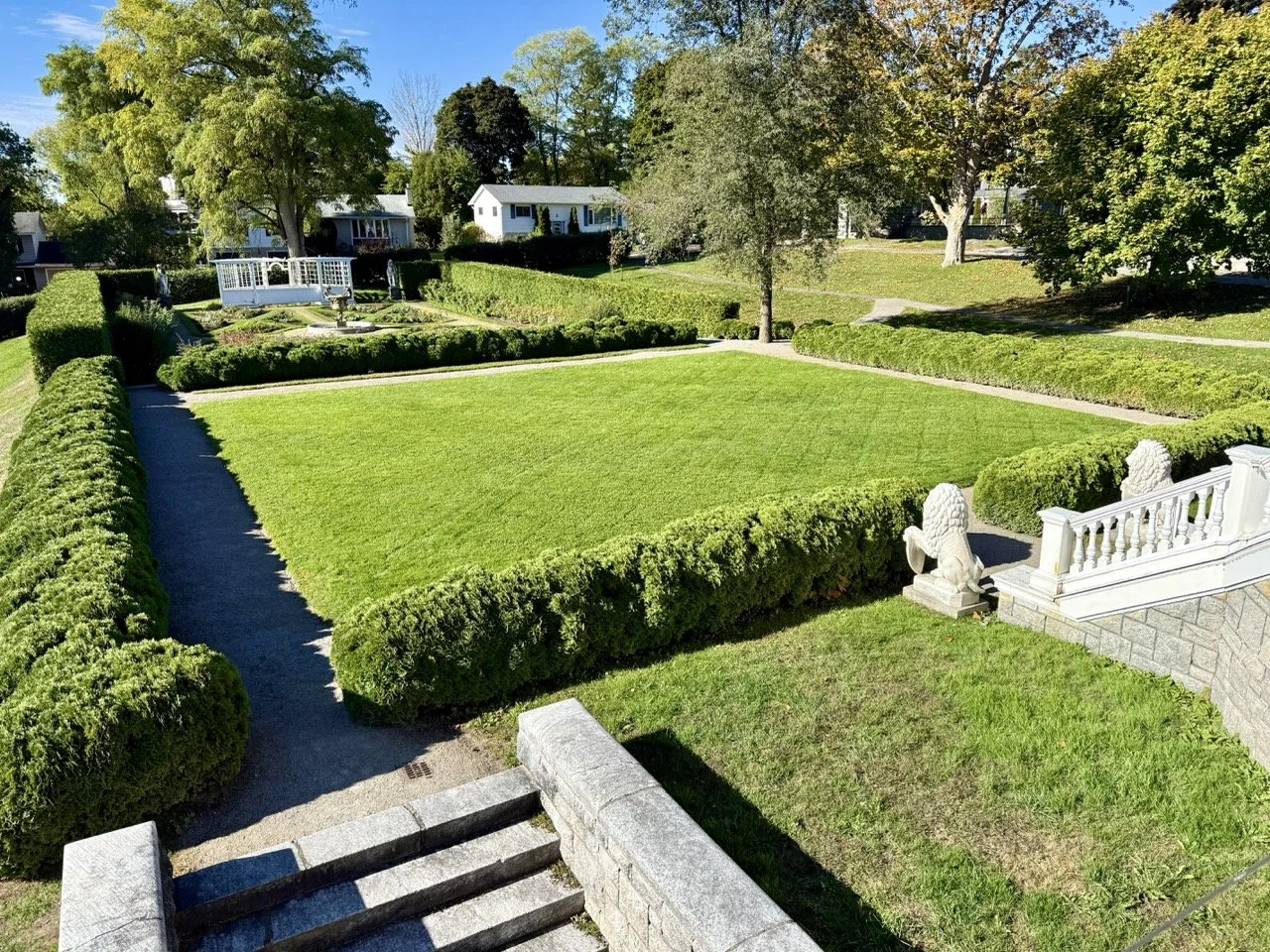
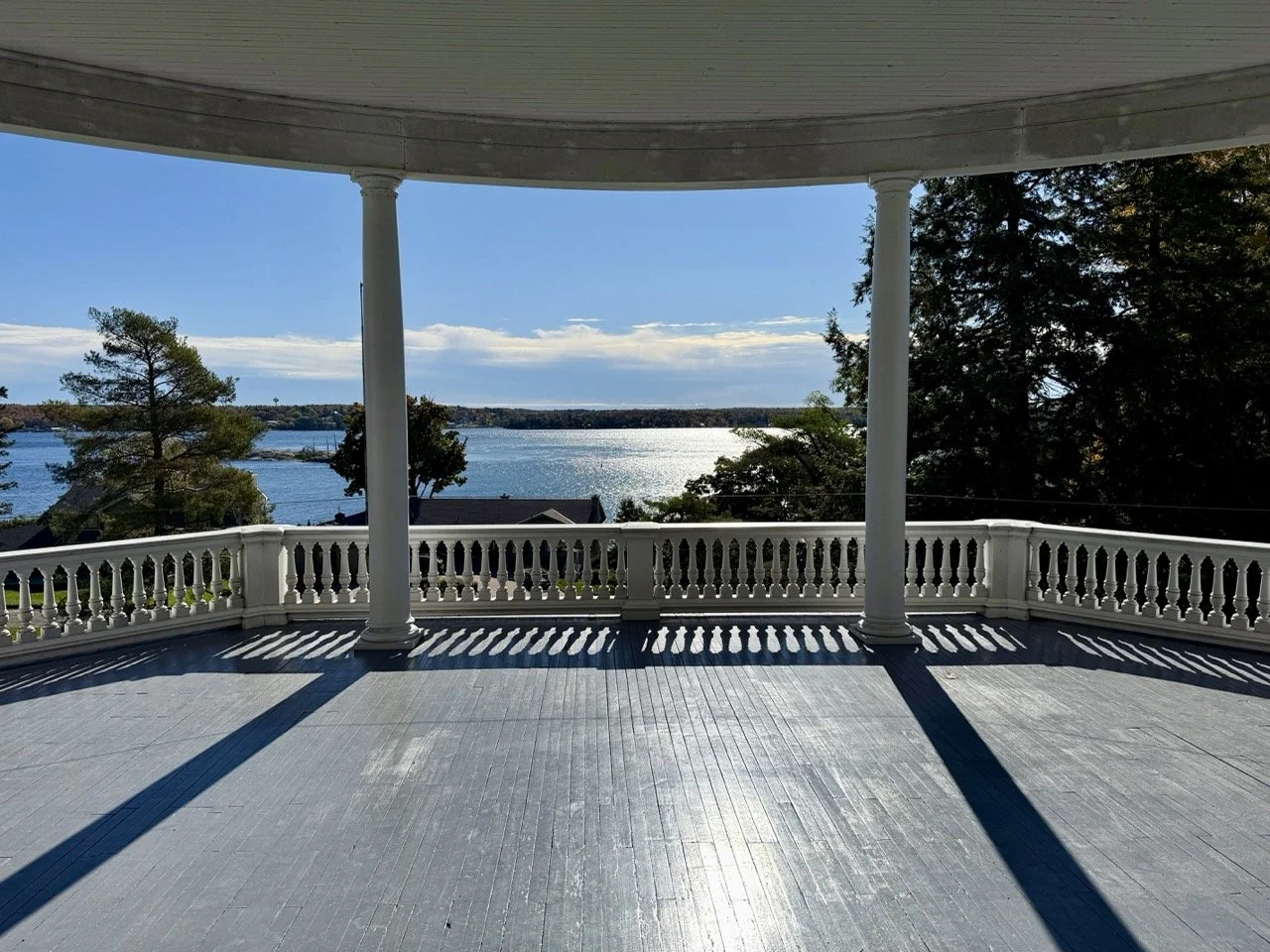
Unfortunately, in the 1960s the garden was diminished, and so you won’t see the rose garden and all of that today, but you can still see the outlines of the Italianate garden, and we thought it was rather magnificent.
At one point, you would have also had a view of the The Magedoma, a ship that Fulford bought in 1904 which had “drawing room, two verandas, three observation decks, four staterooms, a full kitchen and a full bathroom with hot and cold running water.” Prime ministers, dukes, and duchesses all spent time on this ship.
Sir Wilfred Laurier is one of those individuals, and he actually walked Martha Fulford down the aisle in 1908 in absence of her father as, sadly, George Fulford passed away in 1905 due to injuries from a car accident. As an aside, this was apparently the first recorded automobile death in Canadian history.
As I said prior, this is a place that has facts and stories that you won’t find elsewhere.
Fulford Place Today
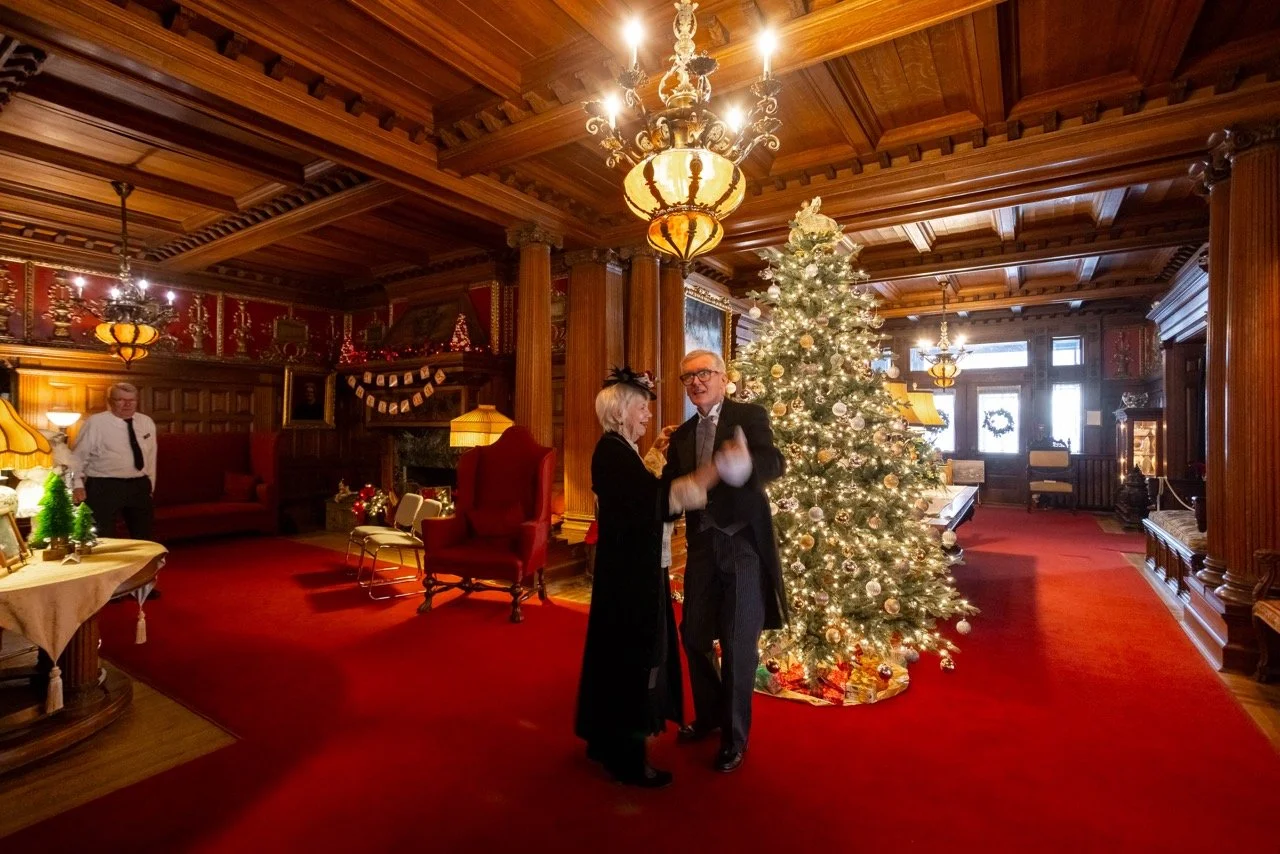
Fulford Place at Christmas time. Photo Credit: Fulford Place
Beyond taking a tour, you can also take in Music on the Veranda (every Wedneday at noon from June through August), Fulford Place Ghost Tours (Wednesday & Saturday nights in October), and the famed Christmas at Fulford Place & Candelight Christmas Tours (starting the last Sunday in November as well as select December dates). You can find full information on all of that here.
After George’s passing, Mary never remarried, and she lived out her days here, while spending winters in California. Mary actually passed away in the primary bedroom here at the age of 90, in 1946. George II, their son, ran the business after George I, and passed away in the 1980s where, shortly thereafter, the house was donated, along with its extensive collection, to the Ontario Heritage Trust.
I’d urge you to book a tour or buy a ticket and explore, but it’s worth noting that you can also take a virtual tour if you know you won’t be in this neck of the woods anytime soon.
What I find particularly intriguing about this property is not just the stories, but also that many mansions like this are essentially replicas of what was, but many of the original family furnishings still remain here, and have been beautifully restored, and that makes it rather easy to be transported back to a different time, which, I find, helps add perspective to the present era.
I want to thank Brockville Tourism and Southeastern Ontario for working with us as media. All opinions are completely our own.