
The Best Things to Do in Mompox, Colombia: Appreciating Culture, Nature and History in this Lesser-Visited Colonial City
Looking for a slower side of Colombia? This piece by Robin and Arlene Karpan shares how to experience Mompox’s historic streets and laid-back pace, along with practical advice on visiting nearby lush landscapes and seeing local wildlife.
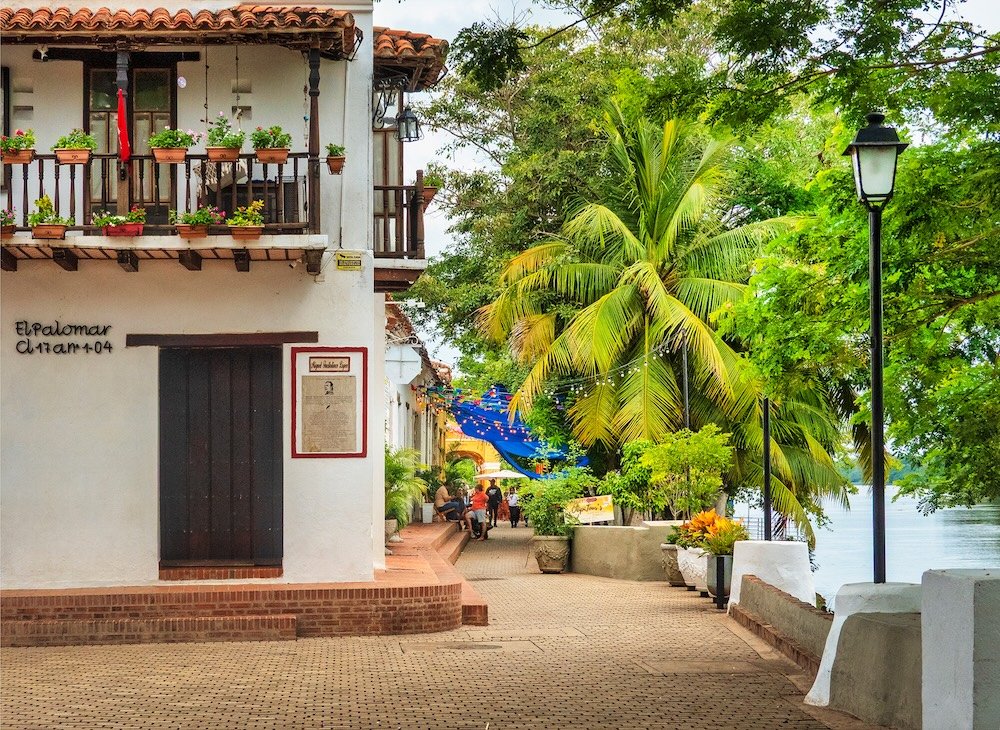
El Palomar, Mompox. Photo credit: Robin and Arlene Karpan
Mompox seemed to have everything that we look for in an ideal travel destination—fascinating history recognized by UNESCO, a vibrant culture, friendly folks, walkable streets, and spectacular tropical nature on its doorstep. Kaleidoscopic colours loom around every corner.
For a photographer, arriving in Mompox is like being a kid turned loose in a candy store. And the best part? Unlike other cities in Colombia like Bogotá, Medellín or Cartagena, Mompox is still a hidden gem that has so far escaped mass tourism, where you can still experience a sense of discovery.
Here is a rundown of what you can do in a visit of four days or so, based on our four-day trip.
Flourishing to Stagnation to Rebirth in Mompox
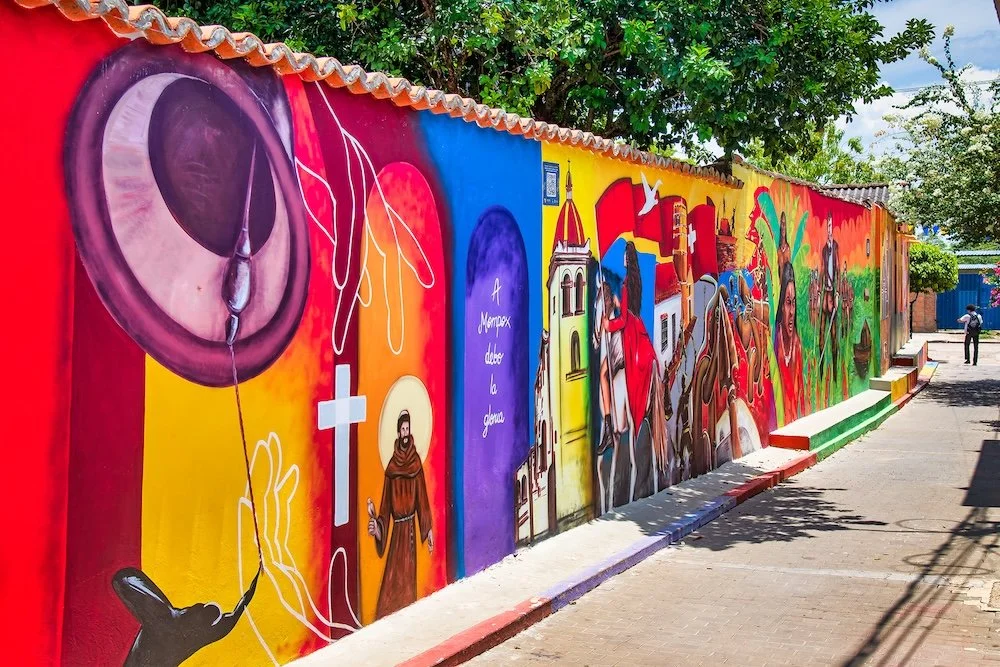
Murals in Mompox. Photo credit: Robin and Arlene Karpan
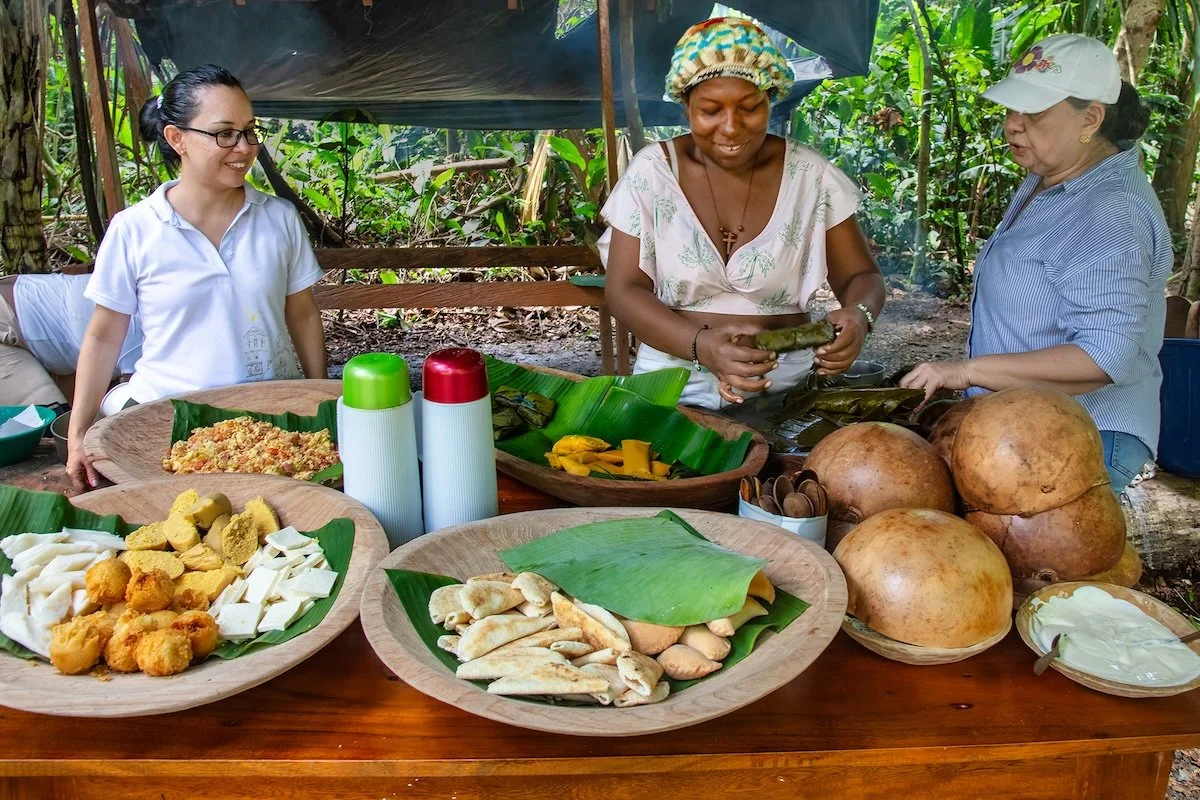
El Garcero. Photo credit: Robin and Arlene Karpan
Mompox today is a result of its unique history dating back to 1540. “Frozen in time” is an overused cliché, but here, it makes perfect sense. In the early Spanish colonial era, Mompox was the second most important town in Colombia, after the fortified stronghold of Cartagena on the Caribbean coast. Its strategic location upstream on the Magdalena River, the country’s longest, was key as an inland shipping port for Spanish expansion into the interior. Mompox thrived, the rich built magnificent mansions, and missionaries established ornate churches.
Then Mother Nature threw Mompox for a loop. Silt buildups caused the main channel of the mighty Magdalena to change course, bypassing Mompox. The river's minor arm that remained could not support cargo traffic. Once an important trade centre, Shipping went elsewhere, taking the economic movers and shakers of Mompox with it. While most of Colombia modernized over the years, Mompox stood still.
The positive part of the story is that we’re left with a mostly intact piece of history that earned Mompox UNESCO World Heritage Site status. As UNESCO describes it, “Most of the buildings are still used for their original purposes, providing an exceptional picture of what a Spanish colonial city was like.”
Unlike in so many historic towns, most of Mompox’s ornate colonial houses are still residences rather than souvenir shops or trendy boutiques.
Please note that this article contains affiliate links. This means travelingmitch.com may receive a small commission for some of the recommendations in this article, at no additional cost to you.
Getting to Mompox & Where to Stay and Eat
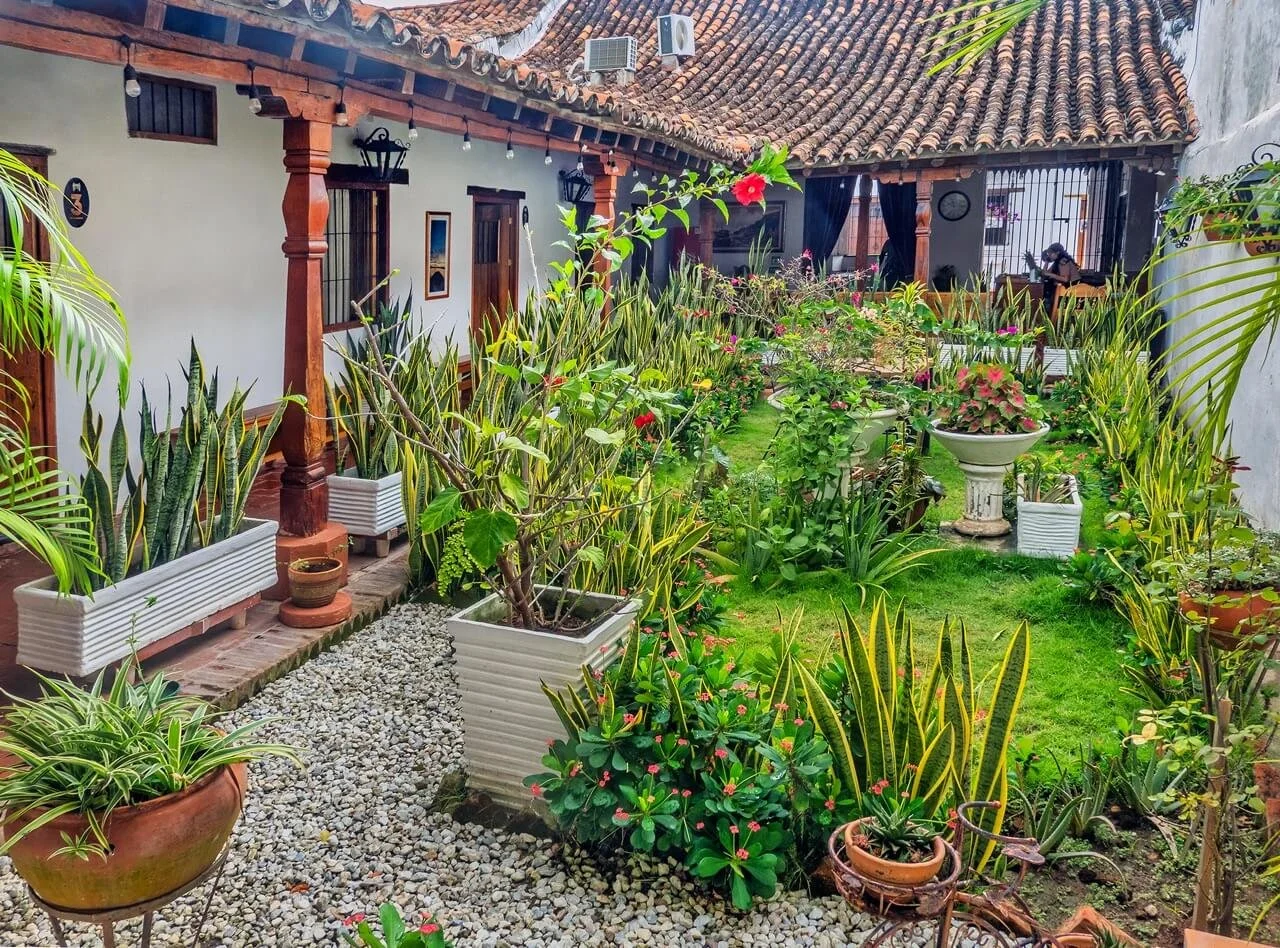
Hotel Archangelus. Photo Credit: Robin and Arlene Karpan
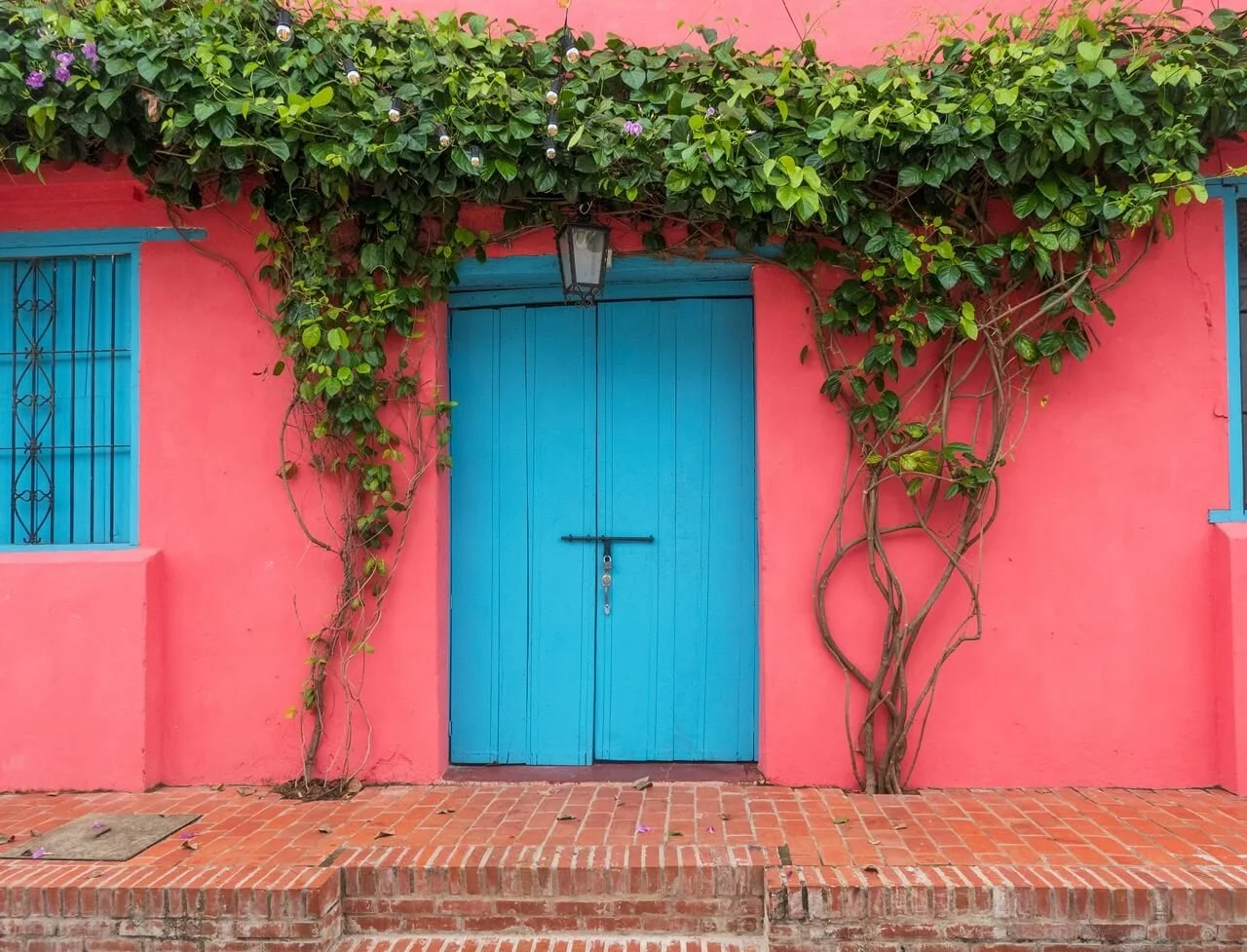
Vibrant streets of Mompox. Photo Credit: Robin and Arlene Karpan
There are two main ways to get to Mompox. By road, it takes about seven hours from Cartagena. Or you can fly. Our flight from Bogotá on Satena Airline took about three hours with a short stopover in Medellín. Satena is currently the only air connection to Mompox, and it doesn’t operate every day. Recently, luxury river cruises have begun, taking several days to travel along the Magdalena River between the Caribbean coast and Mompox.
Where to Stay and Eat
No cookie-cutter hotel chains here. Almost all hotels are beautiful converted colonial houses with a handful of rooms. Fortunately, there are ample options to choose from, outside of Holy Week or the Jazz Festival.
We stayed at the Hotel Archangelus, a converted 300-year-old building that was once the home of a celebrated local historian. With only five rooms, the hotel consistently gets good reviews for its quiet atmosphere, cleanliness, and typical Colombian breakfasts.
Riverside cafes and eateries run the length of the promenade and come alive in the evenings. Try Café 1700, where stacked sandwiches on homemade bread are their specialty. At Ambrosia, we had stewed catfish from the Magdalena River prepared in a nicely spiced tomato-based broth. Refreshing fruit juices abound, especially tangy, ruby-red corozo juice, made from a palm fruit.
Visiting Churches and Admiring Historic Architecture
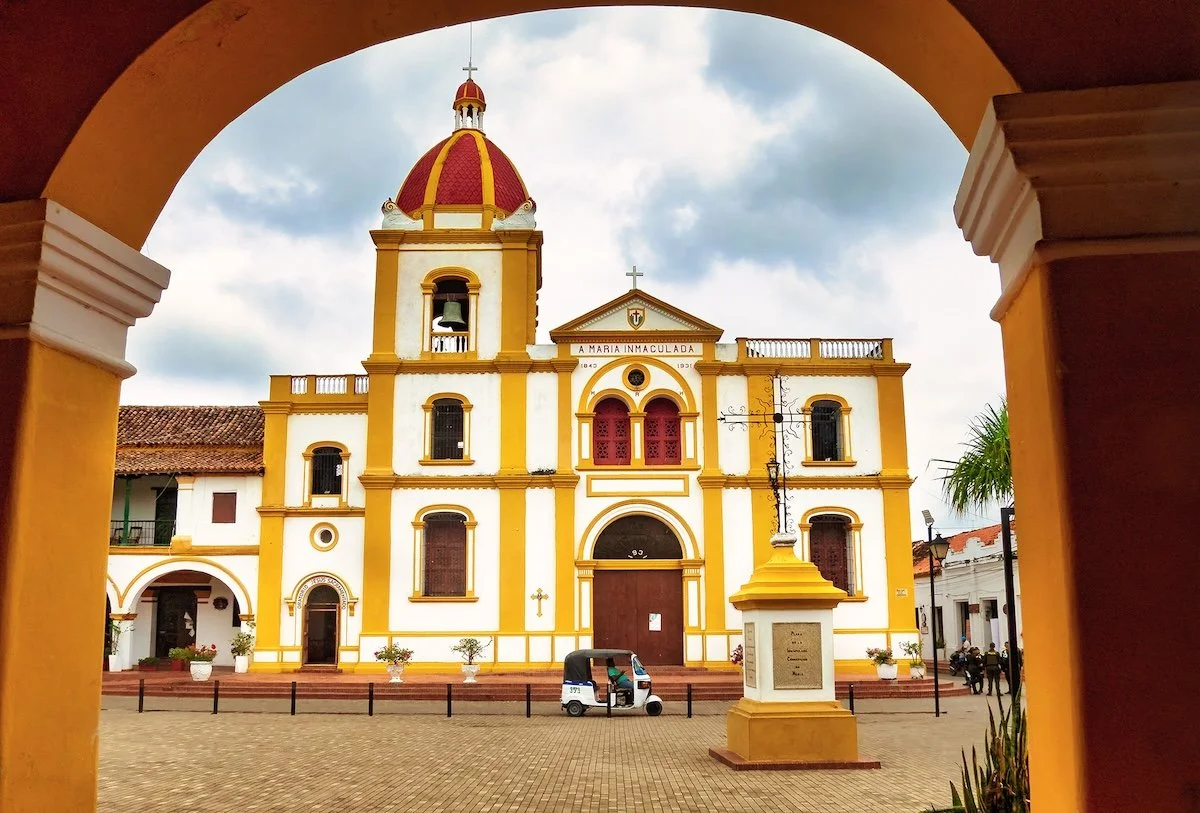
Immaculate Conception Church. Photo credit: Robin and Arlene Karpan
Historic buildings and monuments speak of Mompox’s illustrious past. The town played a major role in the war of independence against Spain, as recruits from here formed the core of Simón Bolívar’s army. A statue contains a quote from Bolívar which translates as “If to Caracas I owe my life, then to Mompox I owe my glory.”
For a small community, Mompox has six ornate churches. Topping the list is Santa Barbara Church, with its mustard-coloured, baroque design and lavish octagonal bell tower and balcony. Other stand-outs include the striking reddish-burgundy San Francisco Church, the white-and-gold Church of the Immaculate Conception, and the Basilica Menor del Santísimo Cristo, founded by the Barefoot Augustinian Hermits in 1606.
Religious life is still important to Mompox, home to colourful Holy Week celebrations. An important ritual is decorating the streets with art designs for float-bearers to walk over. Although they will be destroyed and swept away, they add beauty and represent the transient nature of life.
We attended a demonstration where local artist Carlos Suarez showed how he creates these street art designs using only coloured sands and powders. The result of the painstaking process was something that belonged in an art gallery, but it was ephemeral art meant for the feet of devotees.
Meander Along the River Walk
Unlike most Spanish colonial towns where life evolved from a central square, Mompox extends along the river, interspersed with smaller plazas and former warehouses converted into businesses and homes. The pedestrian riverfront street forms the nucleus of Mompox, with cafes and restaurants, where residents and visitors alike take an evening stroll or relax by the river with an ice cream or cold beer.
If you sense a magical quality to Mompox, you’re in good company. Colombia’s Nobel Prize-winning author, Gabriel García Márquez, was inspired by the character and traditions of Mompox in developing his magical realism style of fiction.
Following the river walk to just outside the historic centre, we come to the site of the town’s other main celebration—the Mompox Jazz Festival, held every fall. Colourful murals on side streets and buildings depict musical themes, history, and myths.
Make Your Own Filigree Jewellery
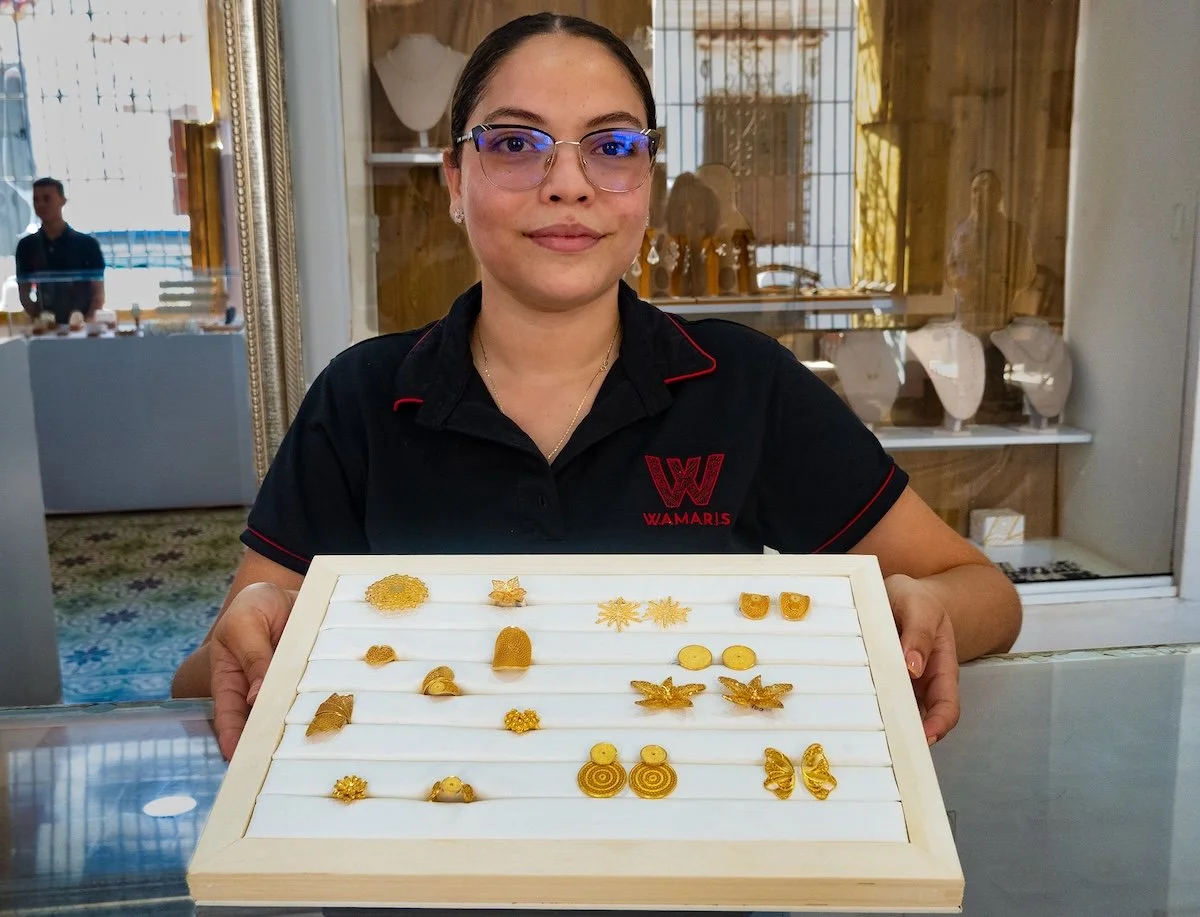
Filigree Jewellery. Photo credit: Robin and Arlene Karpan
In the early days, Mompox was a safe place to store gold away from pirate attacks on the coast. This attracted goldsmiths who built upon a filigree tradition dating to pre-colonial times.
Filigree remains the premier art form of Mompox, where shops sell amazingly fine gold and silver pieces. But at Joyería Wamaris (Wamaris Jewellers), you can take a filigree workshop and make your own piece. Looking at the stunning designs on display, our first reaction was “Yeah, right. Like we’re going to make something like that?”
But we took up the challenge and joined a small group for the three-hour workshop. We started with raw silver that was heated, then stretched and re-stretched into long, fine threads. Using needle-nose pliers and tweezers, we bent and fitted the threads into designs, which usually took several attempts and some assistance from the professional artisans. The pieces had to be soldered together, heated to help make the shapes, and finally buffed to shine them up.
We came away with an appreciation for the incredible amount of detailed work that goes into each piece. As for our works of art? For a first try, they weren’t bad at all.
Visit Mompox’s Cemetery
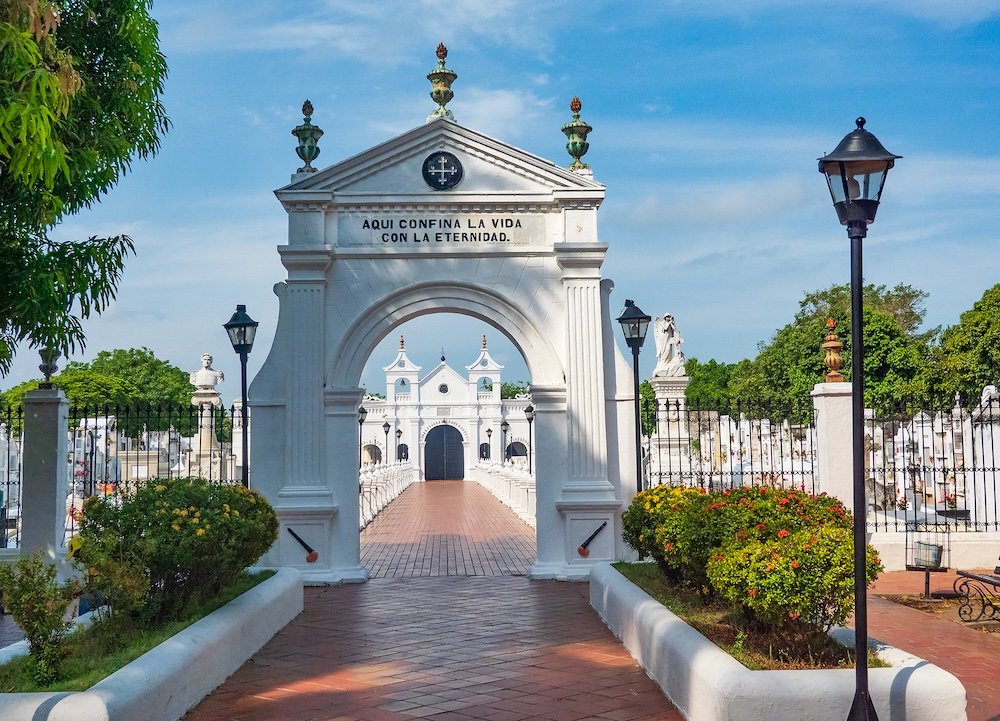
Mompox Cemetery. Photo credit: Robin and Arlene Karpan
Mompox’s cemetery is an architectural gem, with its whitewashed tombs and small chapel. It’s the town’s main burial place for both the well-to-do who can afford elaborate memorials and for regular folks.
The cemetery also has some famous living residents – cats. Lots of cats. The strange story began with animal lover Alfredo Serrano, also known as “El Gato” – the Cat. After Alfredo’s death, visiting family noticed cats hanging around his tomb. They decided to feed the cats, which in turn attracted even more. The tradition continues, as we saw during our visit when a cemetery attendant spread out cat food beside the chapel for the waiting felines.
Take a River Trip
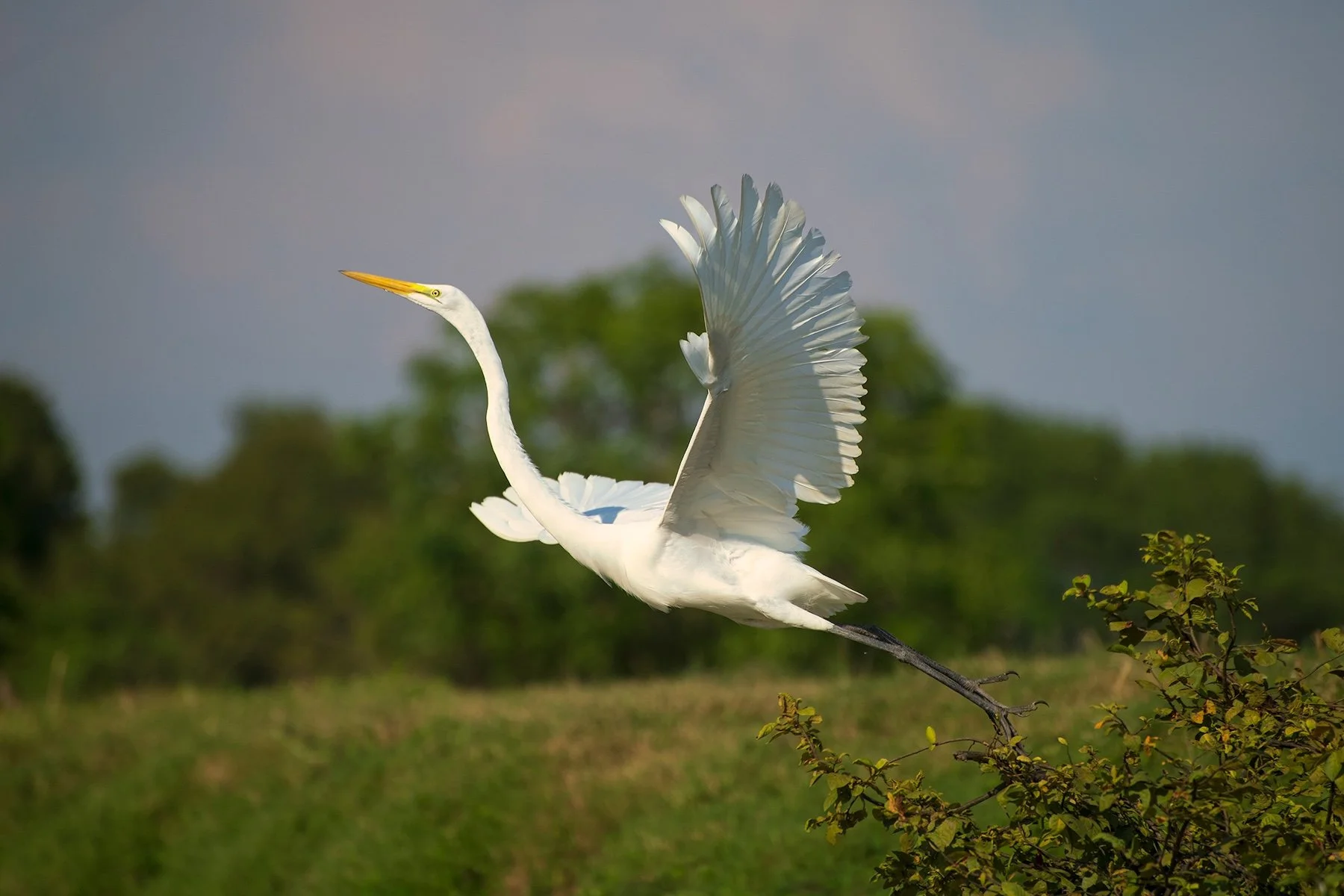
Great Egret. Photo credit: Robin and Arlene Karpan
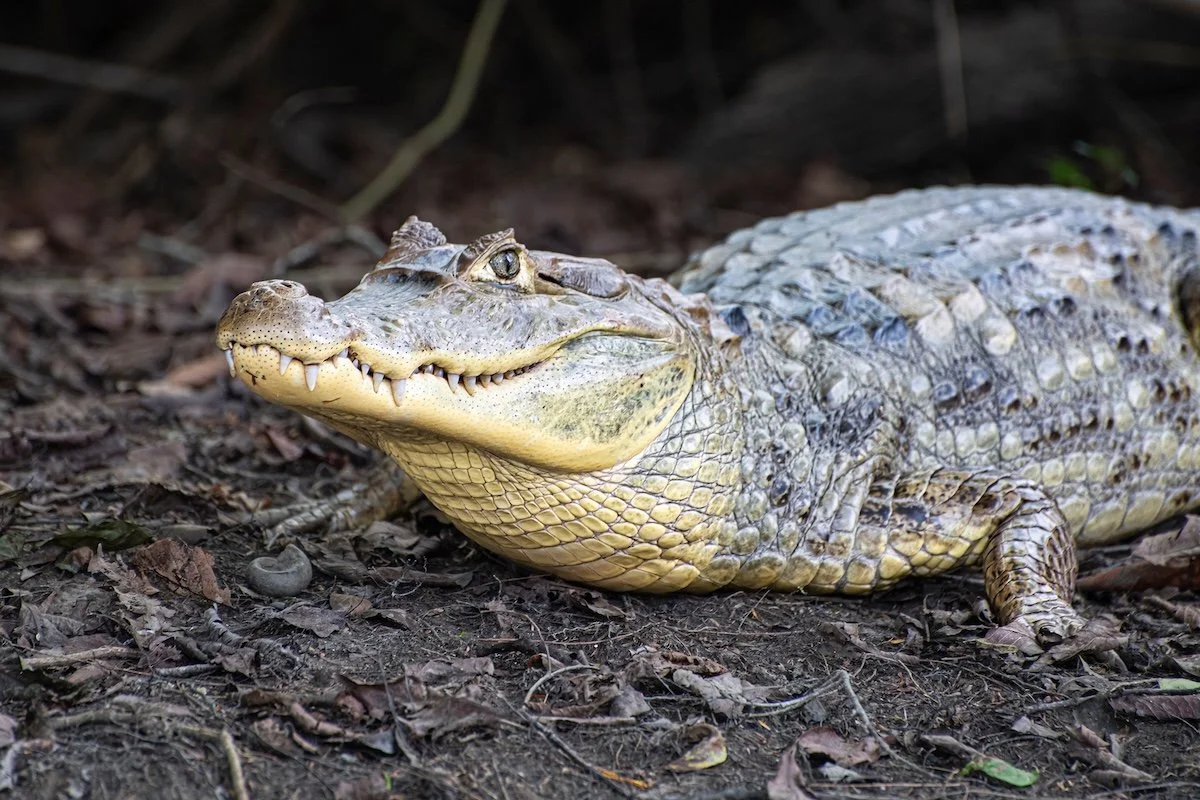
Caiman in Mompox. Photo credit: Robin and Arlene Karpan
When we're talking about Colombia travel, a river trip should be at the very top of your to-do list. We did our trip with Chippy Tours, run by local boat operator “Chippy,” who knows the area extremely well. From the main river, we soon turned onto a narrow channel barely wide enough for two boats. We passed tiny remote villages where fishermen still use dugout canoes, and kids happily take to the water to beat the heat.
The wildlife was nothing short of phenomenal. It started with trees completely loaded with cormorants – more than we’ve seen anywhere in one place. Brilliant white egrets were everywhere, along with great blue herons, ibis, kingfishers, caracaras, and jacanas. We even saw rarities such as a snake kite, a purple gallinule, and yellow-hooded blackbirds. Perhaps this shouldn’t be surprising since Colombia has more bird species than any country in the world.
Chippy mentioned that we should expect iguanas, so we excitedly started snapping photos as soon as we saw them. But there were so many that we had to pick and choose. Looking for caimans, Chippy spotted a huge monster with sinister teeth and menacing eyes lurking on the water’s edge, completely motionless as it waited for prey.
Before heading back, Chippy guided the boat into a large shallow lake, turned off the engine, and said, “Listen to the silence.” We were well away from roads and towns, the only trappings of civilization being a couple of fishermen far in the distance throwing their nets from dugout canoes. The water resembled a gigantic mirror in the approaching twilight, with only flying birds breaking the absolute calm.
We thought things were over as our boat approached Mompox on the return, but not so. Just short of town, we stopped to watch howler monkeys high in the trees bordering the river’s edge.
See Nature Conservation in Action at El Garcero
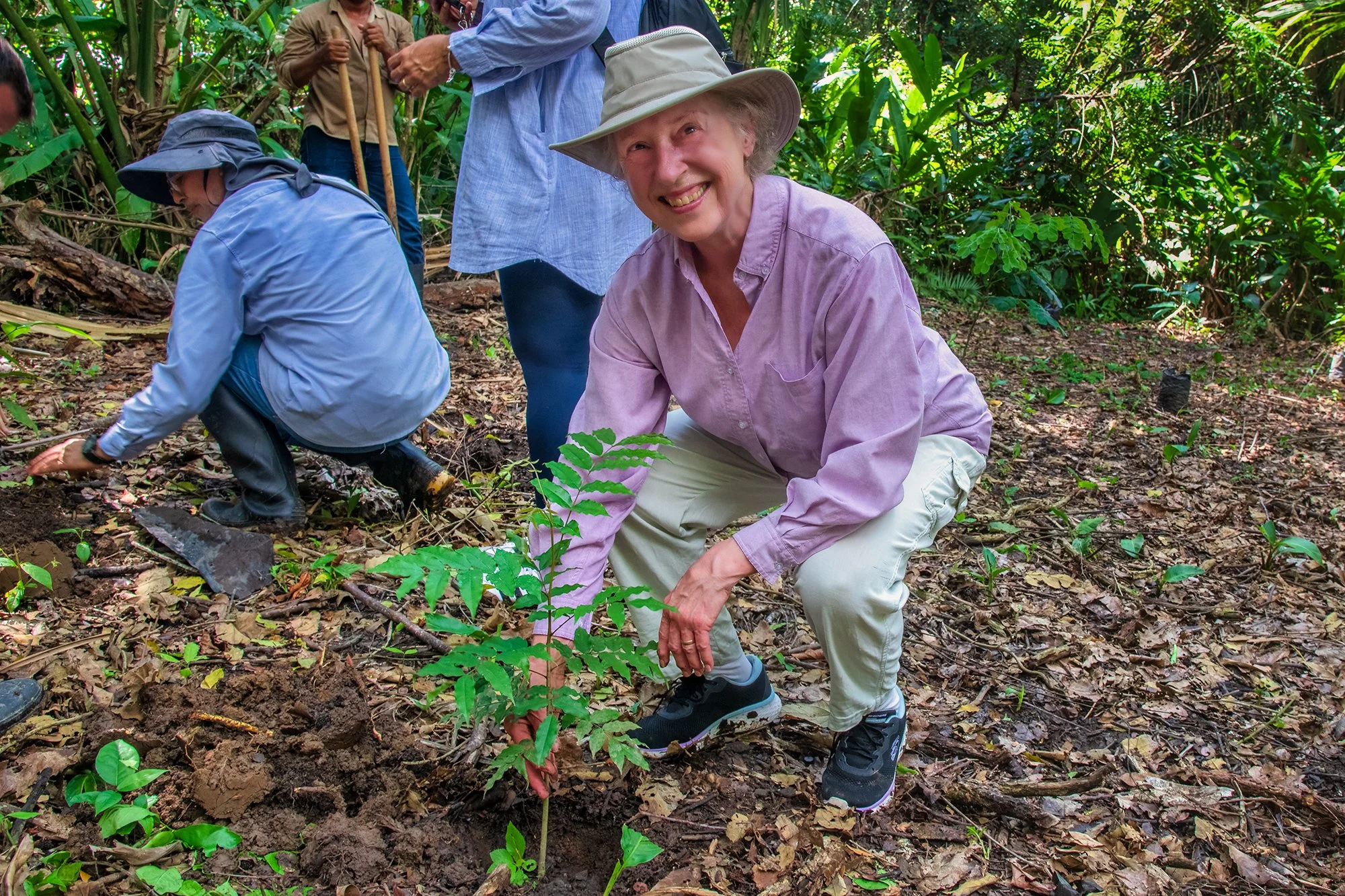
Tree planting at El Garcero. Photo credit: Robin and Arlene Karpan
Despite Mompox’s remoteness, it is not immune to deforestation and loss of natural habitat. A lot of land has been converted to agriculture, grazing, and other uses. But a dedicated group of conservationists and scientists is preserving a piece of tropical forest, researching habitat restoration, and educating the public on working with nature instead of changing it.
We took a guided day trip to El Garcero Nature Reserve about 50 kilometres from Mompox. The change was dramatic as we drove through agricultural land and suddenly entered thick tropical forest.
Founder Luis Carlos García explained the importance of the area as we walked the forest trails. He showed us a mind-boggling array of plants and animals, including oddities like the cannonball fruit. Returning from our walk, we found tables set up for an unbelievable outdoor brunch. Papaya and sweet pineapple were served alongside Colombian specialties, including carimañolas (cassava fritters), casaba (cassava flatbread), beef rolls wrapped in banana leaves, and sweet coconut balls.
The most memorable part was the chance to plant a tree as part of their reforestation efforts. Arlene planted a Maduraplátano. The seedling was labelled and dated, and we hope to return one day to see how “our” tree is faring.
Final Thoughts on Visiting Mompox
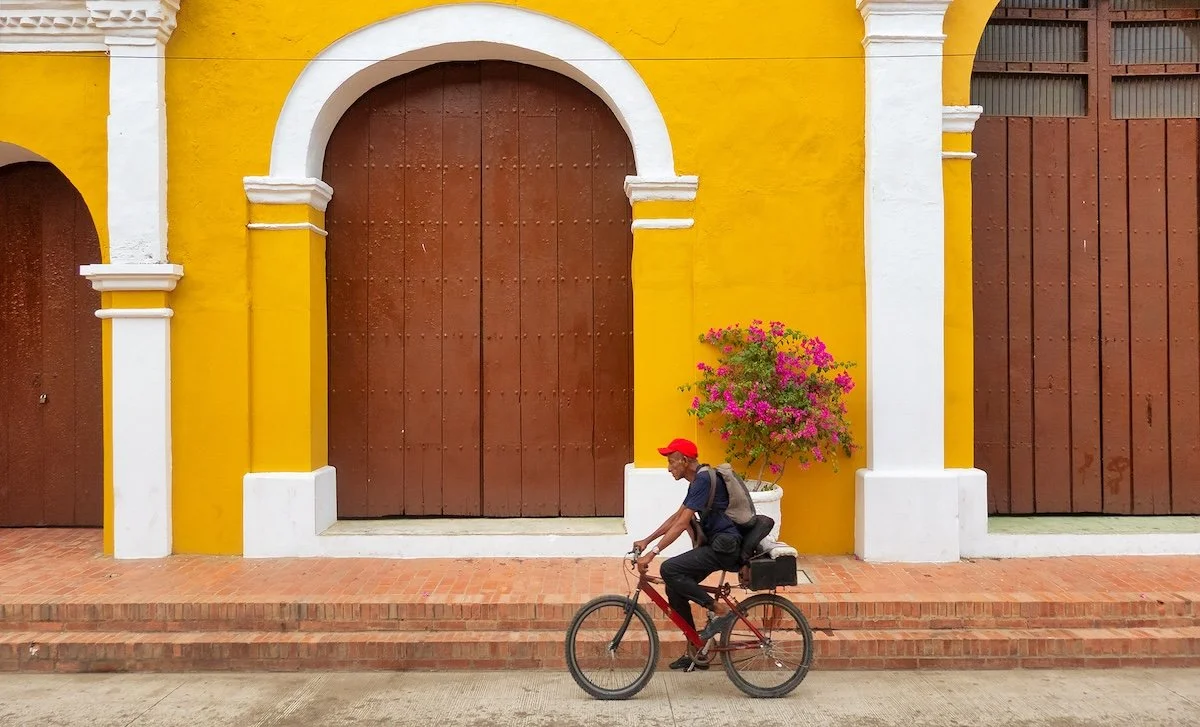
Man on bicycle in Mompox, Colombia. Photo credit: Robin and Arlene Karpan
Staying four days or so is enough time to see the highlights of Mompox, but staying longer allows you to do it at a more leisurely pace. This is certainly not a place to rush. The weather is hot – damn hot – with similar temperatures to the Caribbean coast but without the sea breezes. Life comes to a standstill in the sweltering early afternoon, when it’s best to go with the flow, relax in the shade, or take a nap.
Mompox still has the feeling of being a real town where international tourists are a small part of the scene, rather than dominating it. Our main advice? See it before it changes.
Robin and Arlene would like to thank ProColombia, Vivir Mompox, and their partners for hosting and assisting them as media during this trip. All opinions expressed in this article are entirely their own.

Robin and Arlene Karpan
Robin and Arlene Karpan are award-winning writers, photographers, bloggers, and authors of several bestselling travel books. Their work has appeared in over 100 publications around the world. Robin and Arlene’s travels have taken them to all seven continents, where they have a special interest in the natural world and outdoor photography. Robin and Arlene publish the popular travel blog Photo Journeys, which looks at travel through a photographer’s lens, and is rated by Feedspot as among the Top 100 Travel Photography Sites.