
Irazú Volcano National Park: Visiting the Highest Volcano in Costa Rica!
Making time during your visit to Costa Rica to set eyes on the nation’s highest active volcano is a worthwhile venture for those who not only appreciate an opportunity to pad their collection of travel photography, but also to be humbled by the sheer power of Costa Rica’s natural wonders. It’s a relatively easy (and scenic) drive from several major population centres, along with being accessible (and affordable) for visitors.
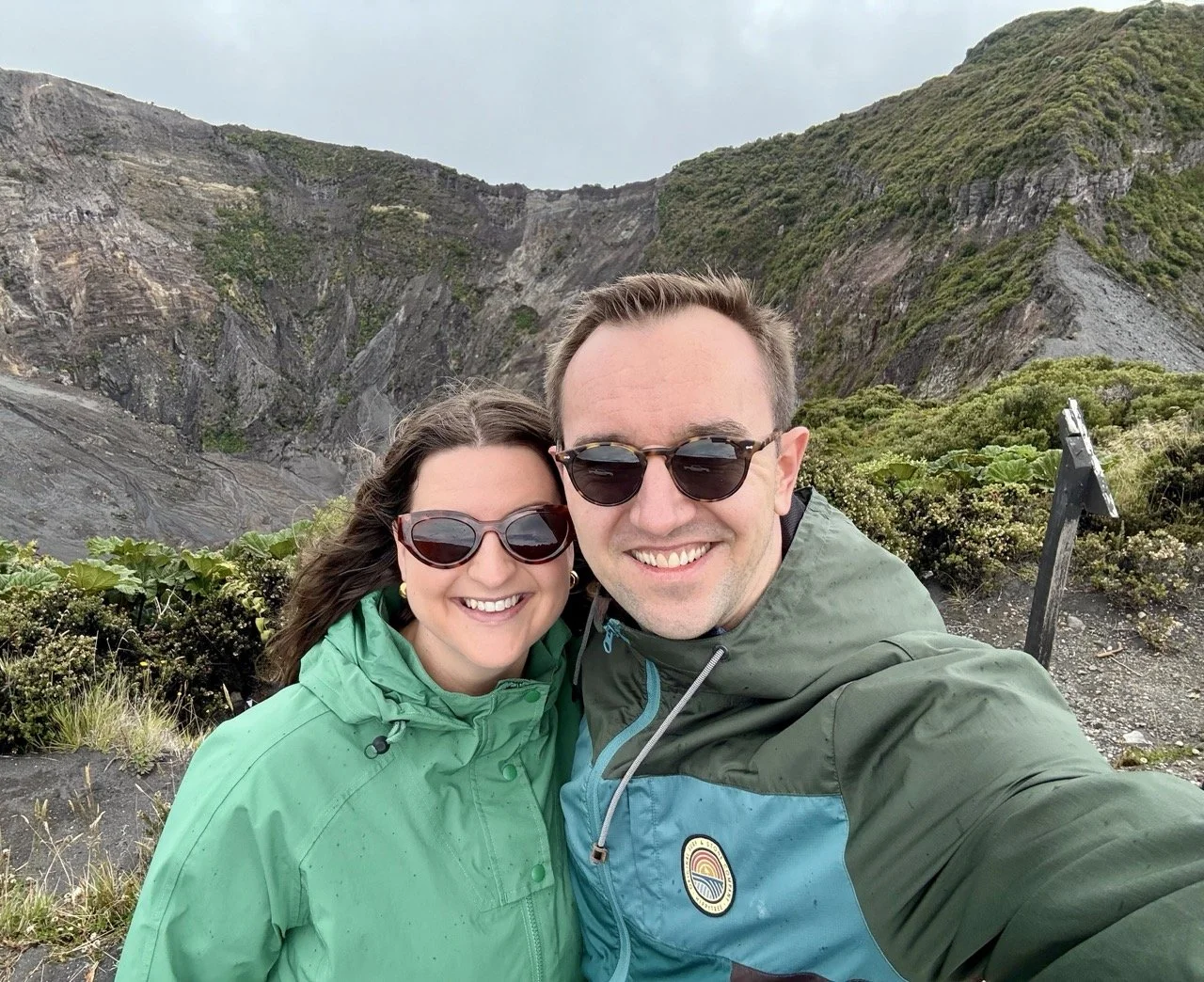
Welcome to Irazú Volcano in Costa Rica! Photo Credit: Christopher Mitchell
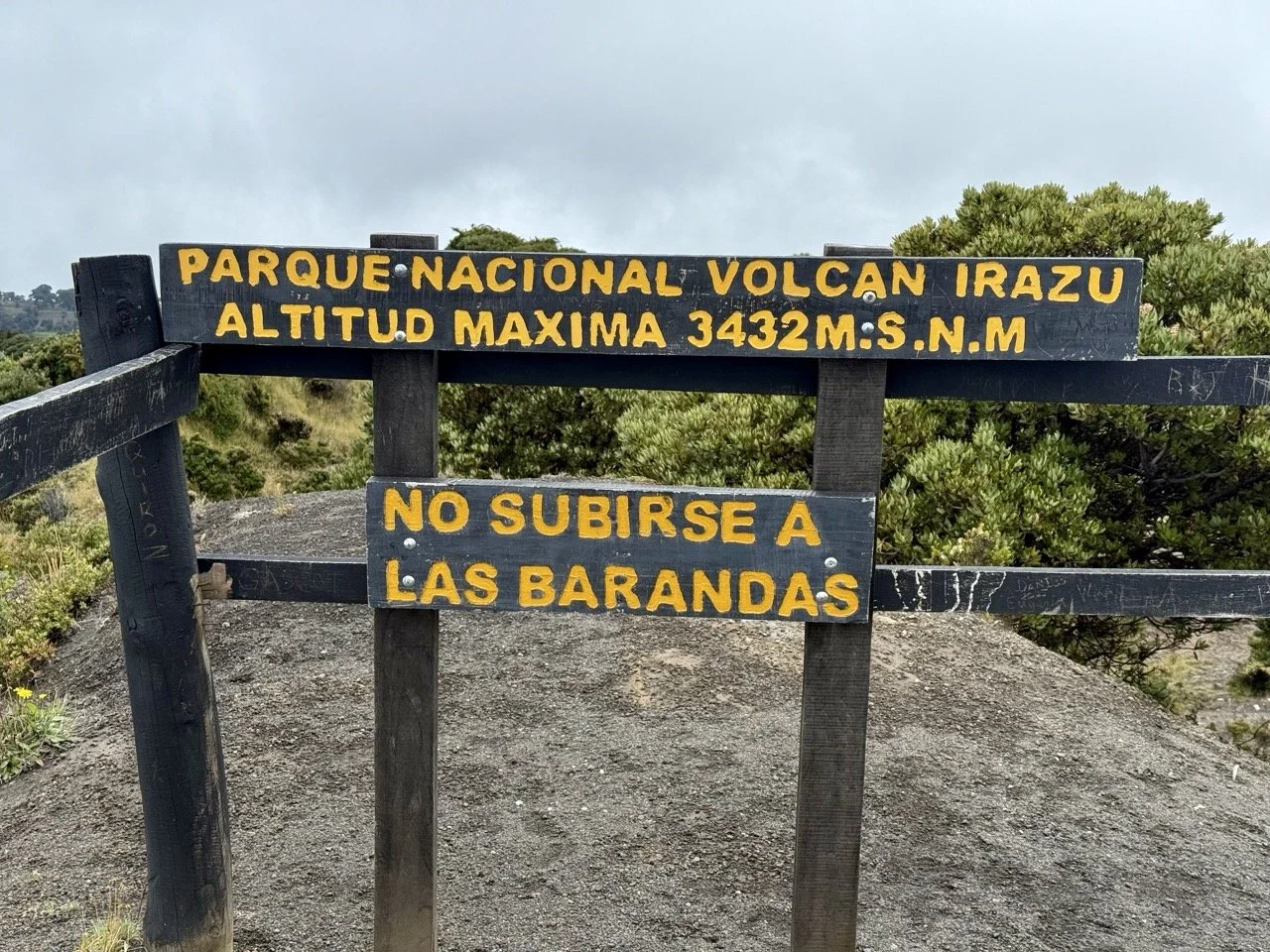
Irazú Volcano National Park, known as Parque Nacional Volcán Irazú in Spanish, is just about what you’d think it would be — an expansive national park that encompasses one of Costa Rica’s most famous volcanos, largely because at 11,260 feet (or 3432 metres), it’s the highest active volcano in the nation.
You’ll likely be visiting Irazú Volcano from either San José, the capital city, or nearby Cartago. One thing that we’d note is that it’s worth taking off early to get here. We landed late in San José the night before we headed here, and our guide Eli noted that, despite the lack of sleep, it would still be worth it to leave early from San José because, often times, the clouds can roll in in the late morning, so you want some room for error.
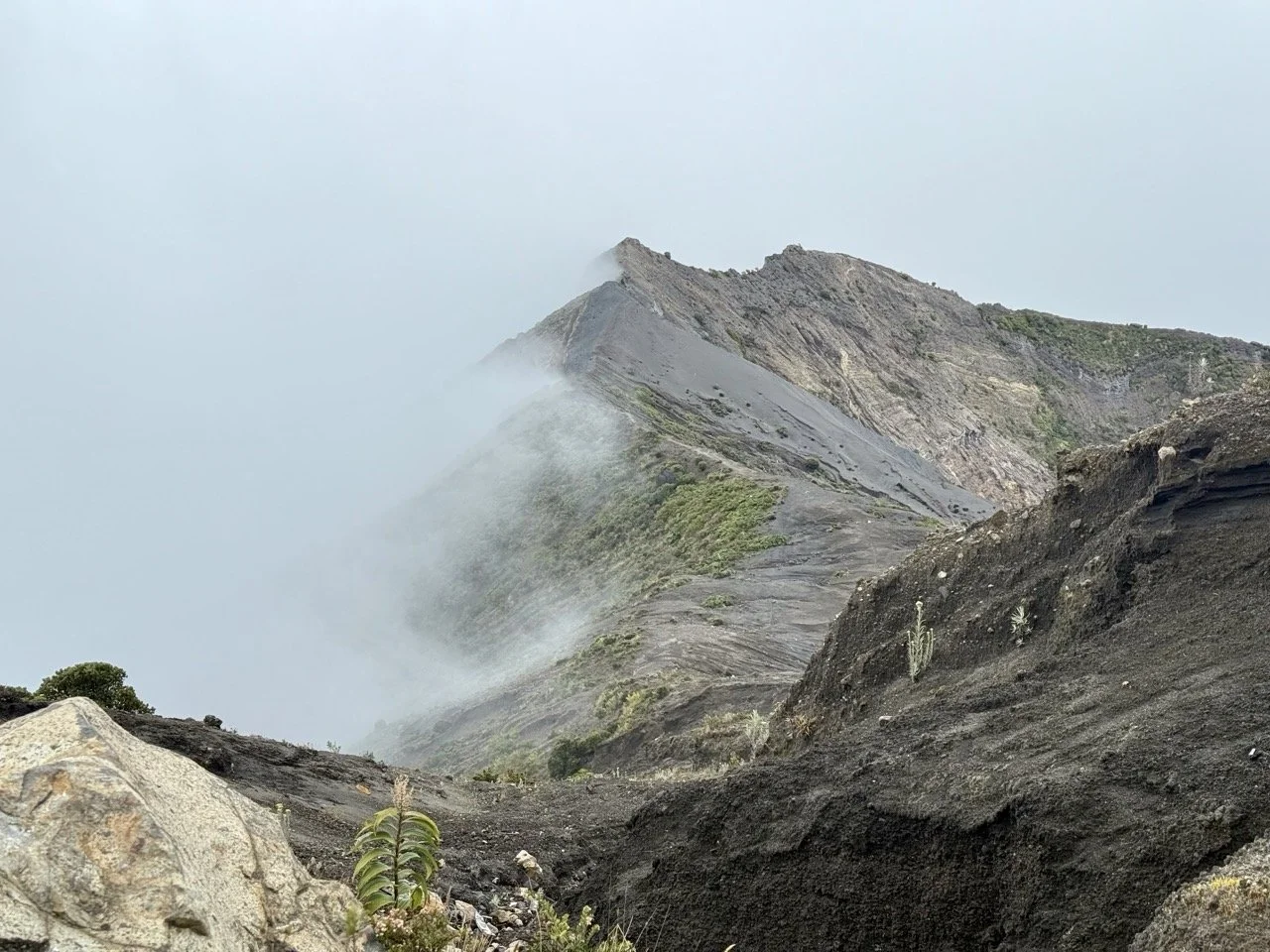
Lo and behold, we arrived there around 10:30am, and were able to snap some clear shots of the Crater Principal before the clouds arrived in the late morning. Now, this isn’t a foolproof methodology, but the point is that you’ll likely be dealing with shifting weather, and that’s why it’s worth allotting some time here to not only see the craters, but to do a little hiking/walking as well.
Especially for photographers, it gives you the best chance to see the volcano. With weather in Costa Rica, try to practice a touch of stoicism, and embrace the cards you’re dealt. We had a good friend in the travel industry who came the week prior, and all he could see was clouds here, but that’s the nature (no pun intended) of visiting high elevation sites in nations with dramatic and changing weather patterns.
One more piece of advice before we get to more of the nitty gritty — pack a warm, durable rain coat. It was colder than we expected up here, and that’s coming from two Canadians!
A Brief History of Parque Nacional Volcán Irazú
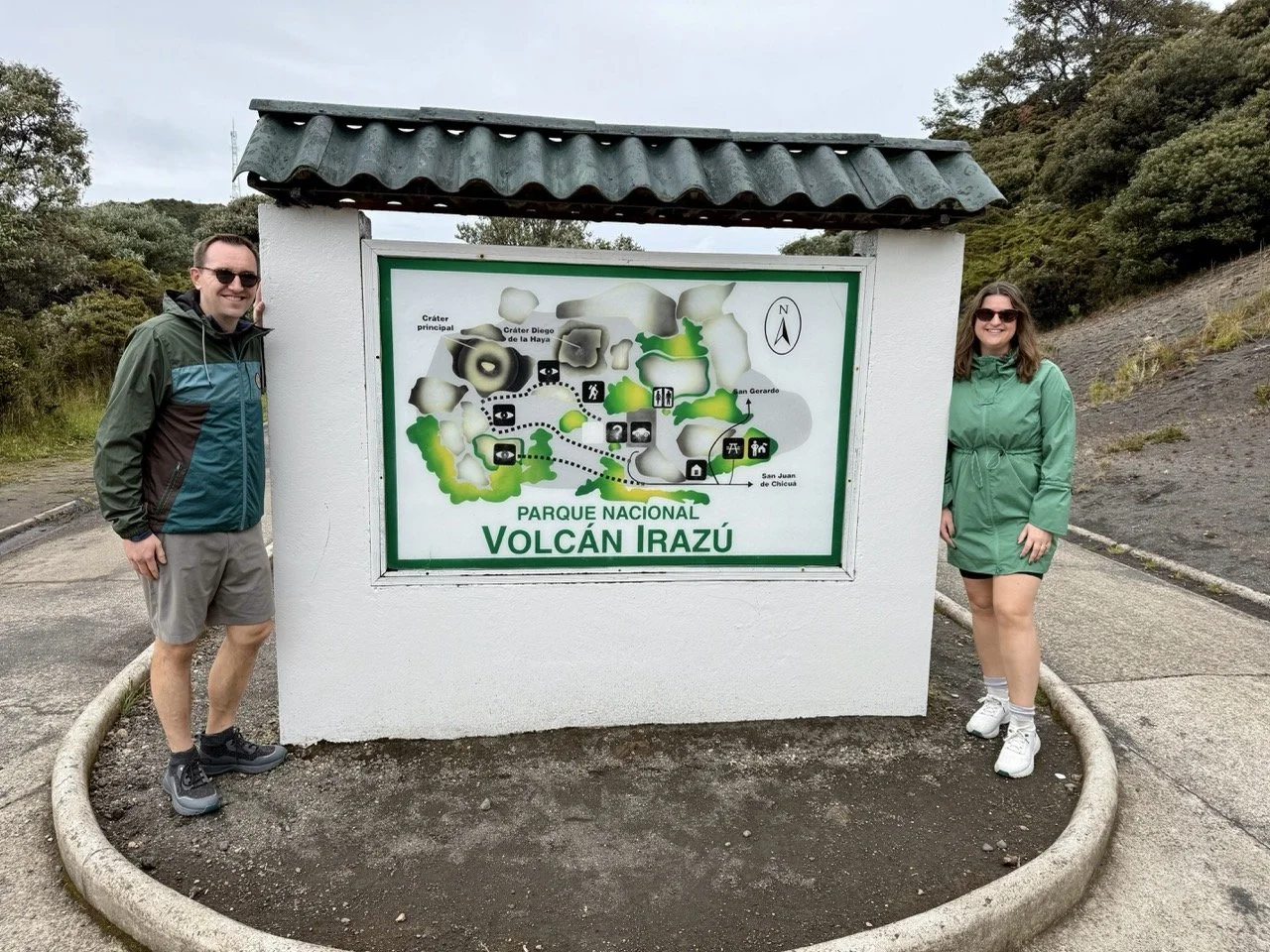
Now entering Parque Nacional Volcan Irazú! Photo Credit: Christopher Mitchell
Irazú Volcano National Park was officially christened on July 30th, 1955, and was later expanded in 1988.
The origin of its name comes from an Indigenous village that existed in the area alled “Iztarú,”which meant something akin, fittingly, to “hill of tremor and thunder,” in that respective language.
The first official recording of an eruption happened in 1723, and was noted by the Governor of the Province of Cartago at that time. Since then, there’s plenty of record of foreign travellers coming to this region and noting the volcano’s fumaroles, but in the recent era, the last major eruptions occurred in 1963 and 1965. The eruption in 1963 actually triggered an avalanche that destroyed hundreds of nearby houses, sadly.
It’s still an active volcano, and there have been some minor eruptions and lava flows since the 1960s, but thankfully no major eruptions, as of the time of the publication of this article.
It’s now a major tourist beacon for the country, and travellers can drive directly to the volcano itself, but it’s worth noting that many reputable tour companies do run day trips to Irazú Volcano.
*Please note that this article contains affiliate links. Simply put, this means we may receive a small commission for some of the recommendations in this article, at no additional cost to you.
What Makes Irazú Volcano Such a Draw for Travellers?
The most obvious reason, is that it’s the highest active volcano in the nation. However, it’s more than that.
For one, on a clear day, you can see both the Atlantic and Pacific Oceans from the summit. We didn’t quite have the clarity to see both (at least not enough to snap the photograph we would have loved), but it also wasn’t cloudy enough that we couldn’t wrap our head (or eyes, in this case) around why that would be so momentous. In fact, the touch of cloud up there (and being able to see how fast moving the weather was) added to the experience a bit, so we didn’t feel hard done by.
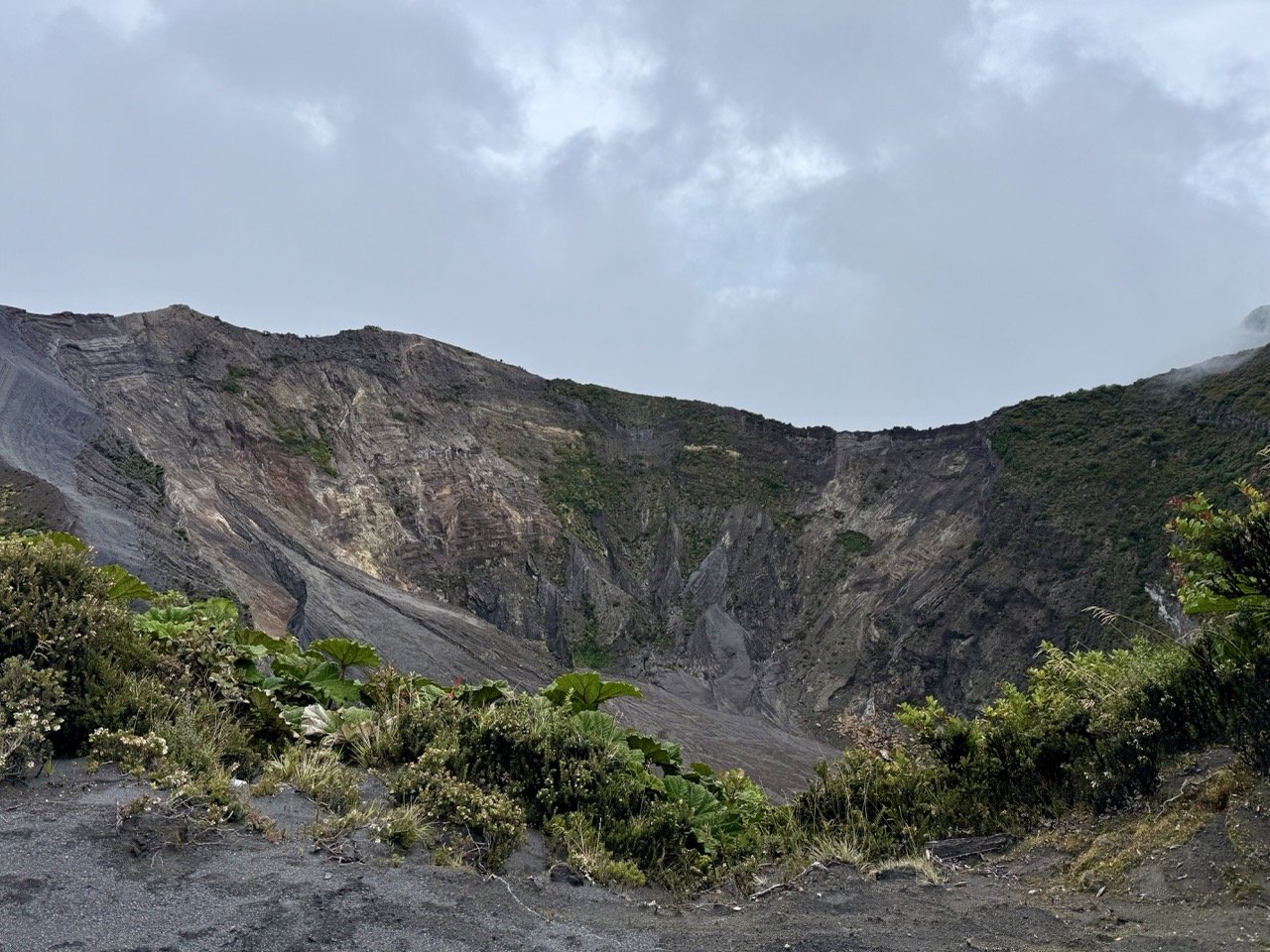
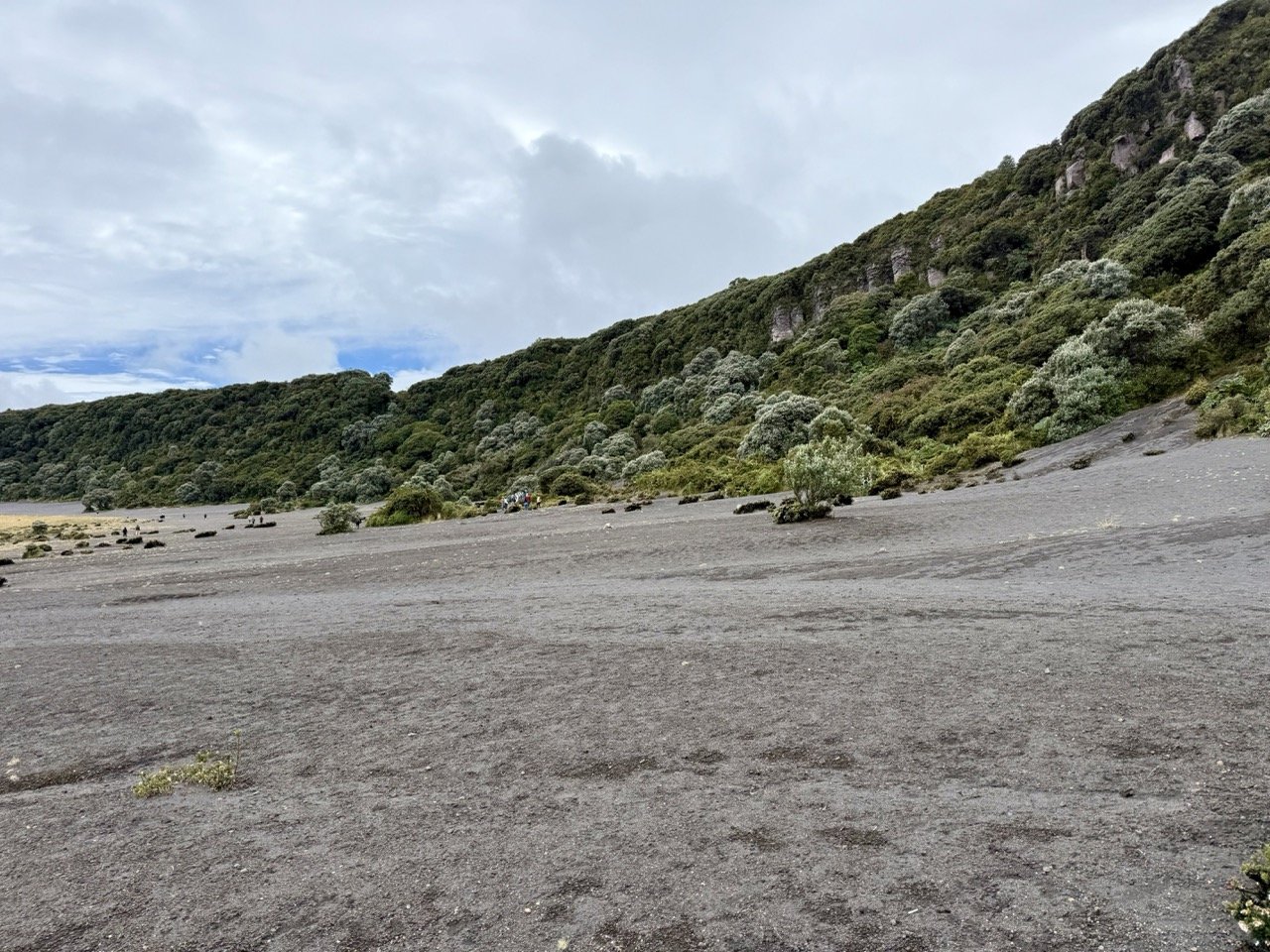
The almost extraterrestrial terrain was another major draw. The Main Crater, especially, is rather moon like, and depending on rainfall, you can often see a photogenic green lake in the Main Crater. We, unfortunately, didn’t view that lake because of recent rainfall, but just keep your eyes out for it when you are there to visit.
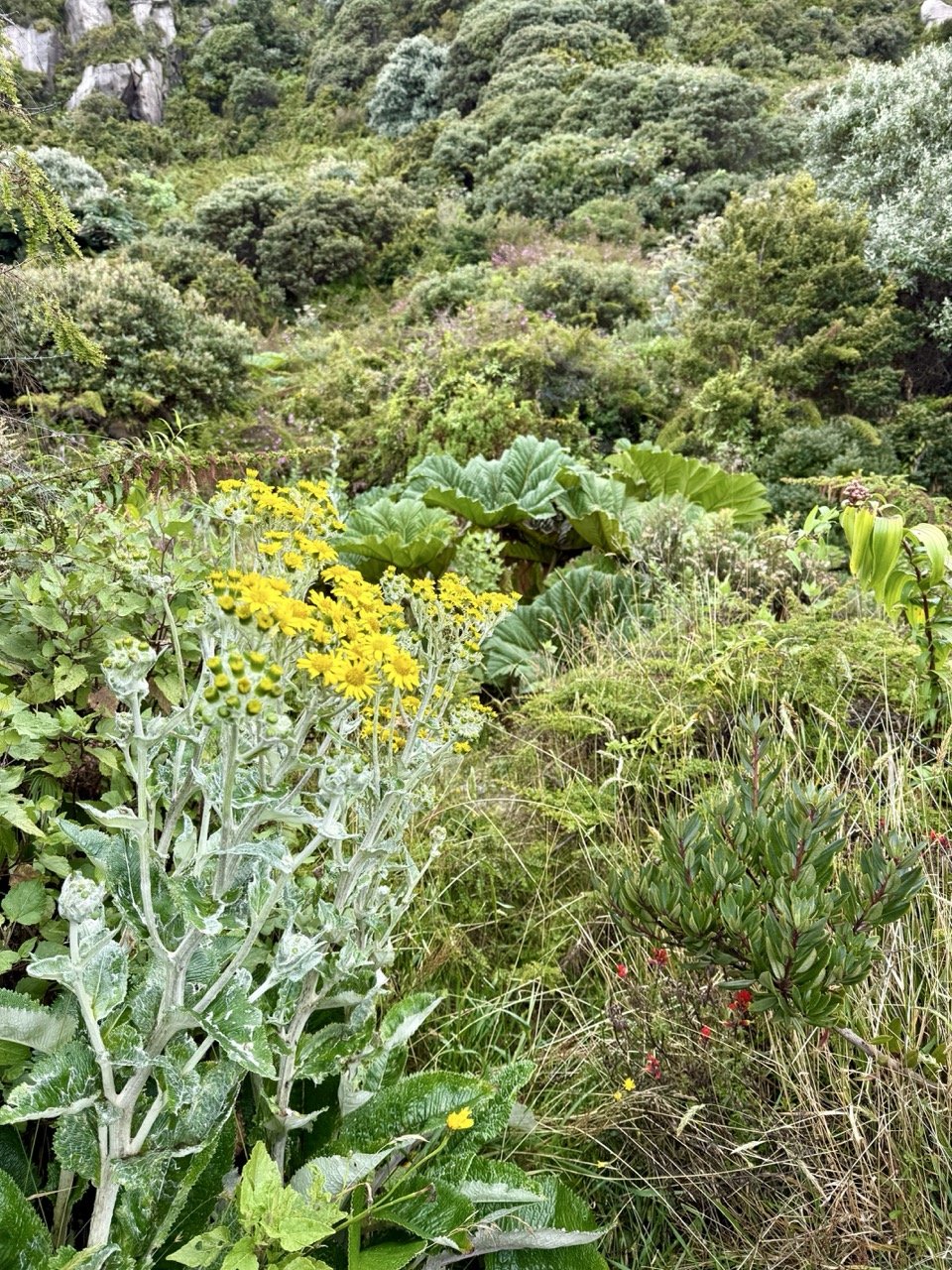
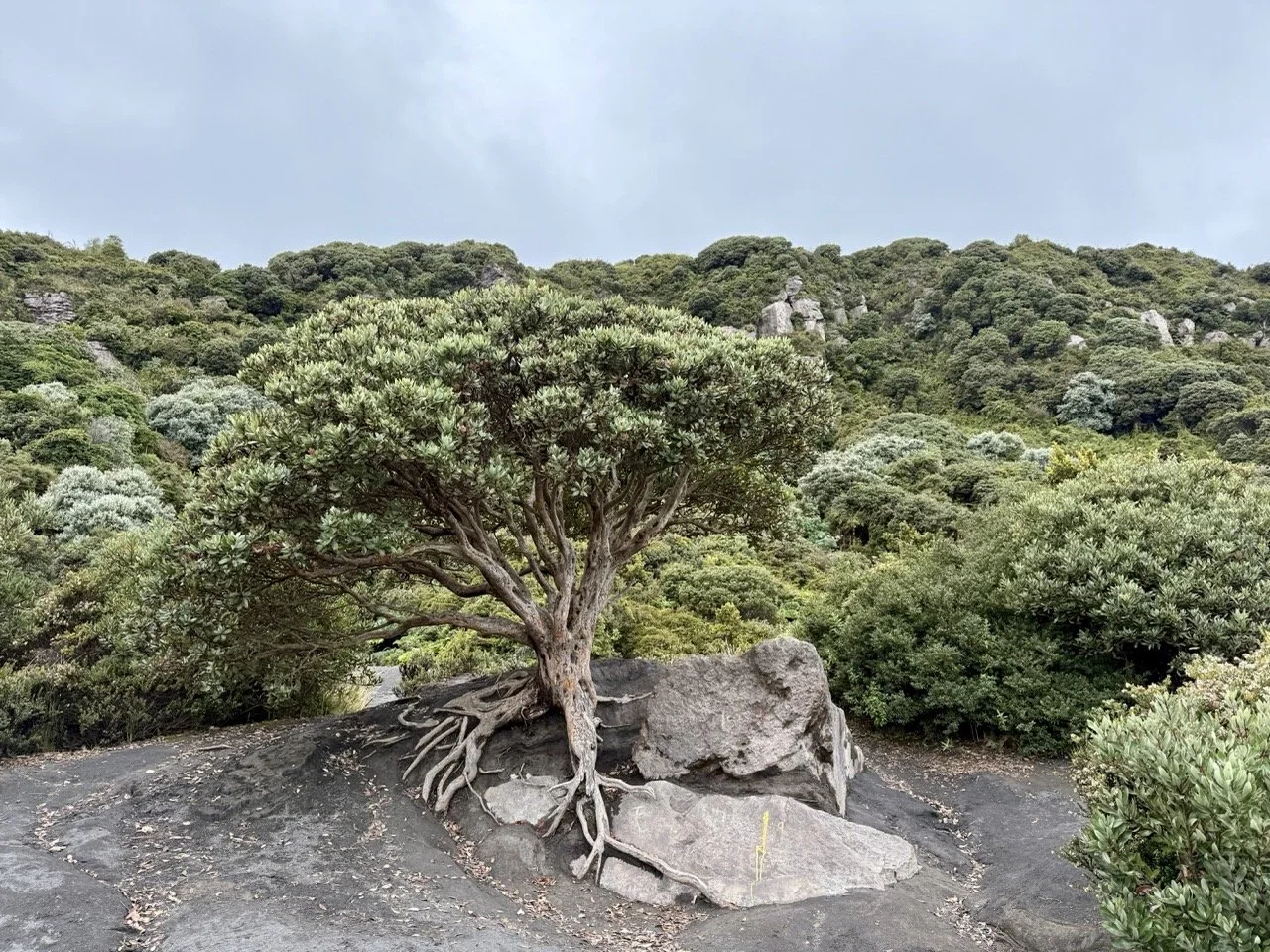
There’s a short, accessible trail that takes you along the crater rim, and I’d urge you to take your time here, and take it all in. There’s plenty of local flora and fauna that we came across here, and it was helpful to have Eli there to ask about some of the trees, vegetation and flowers there that I didn’t recognize. If he hadn’t been there with us, I would have used an app like INaturalist, or even inputted pictures into ChatGPT to get context.
Keep your eyes out for the high altitude shrubs and páramo grasses, regional mosses, and my personal favourite the gunnera insignis, often called the “poor man’s umbrella,” which are just these massive leaves that can offer shade or rain cover if need be. Depending on the season, you may catch bright bursts of purple, yellow, or white from hardy alpine blossoms as well.
For birders, keep your eyes out for the bold little volcano junco, sooty robins, fiery-throated hummingbirds, hawks or raptors that like to ride thermals along the crater rim, and in the forest, keep your eyes peeled for slaty flowerpiercers and silky-flycatchers.
The Craters Sector & the Prusia Sector
Most people only visit the Craters Sector. This is where you’ll find the Main Crater Trail. It’s also where you’ll find the Diego de la Haya Crater Lookout (where you can get a perspective of a smaller, older crater) and the Sendero Bosque Nuboso (the Cloud Forest Trail), which is a short loop that will allow you to see those aforementioned twisted shrubs and seriously impressive alpine plants.
Now, the Prusia Sector sits lower on the volcano’s flanks, and it’s a lot quieter and has much denser forest. You’ll find the following trails there: El Roble, Micaela, La Cave, Chiverrales, Cabeza de Vaca, El Ahorcado, El Puma and Los Abuelos.
The Los Abuelos Trail is a favourite for the gnarled “Abuelos trees” and it’s a nice way to access an old-growth cypress forest. The El Aglomerado Trail is great for spotting highland birds. El Puma is slightly longer, and features meadows and viewpoints alongside the dense forest experience. The Sendero Cabeza de Vaca is one of the sector’s longer circuits, and is a good fit for those trying to get a good walk/hike in before getting back in the bus.
Ideally, you want to spend time in both sections, but many visitors only visit the Craters Section due to time constraints, and that’s indeed the section to focus on if you’re limited for time. This can, conceivably, be a fairly quick visit, but it does typically take a fair amount of time to drive here and back, so it’s nice to be out of the car or bus and stretch your legs, if you do indeed have the time.
You’ll also want to take a moment to drive up a little higher (just a short drive from the Visitor Centre) to snap a photo with the sign which has the metre elevation on it. I mean, it’s one of the highest accesible points in the nation, after all, and it also offers some different, striking view of the Main Crater than you’d be able to get on the Crater Rim itself.
Key Information for Your Visit
The first thing that I want to note here is that our guide mentioned that you want to get tickets to visit Irazú at least 3-4 days in advance, because they can book up quickly. If you’re taking a tour with a tour company, they’ll likely have this covered, but if you’re going on your own, then it’s this website that you’ll want to make reservations on. I’m told that many travellers were able to use data or wifi to buy their ticket at the entrance as well, but that depends on availability.
They’re open every day from 8am-3:30pm, including a fair amount of holidays.
Entry fees, as of the time of publication, are around $15-20 USD, and there can be an additional fee for parking.
There are public restrooms and a small cafeteria here as well.
Even if it’s warm where you’re starting from, it’s very likely to be much colder than you expected here, so dress appropriately.
Mornings are best, as we noted above, especially if you’re a photographer.
The Crater Section itself is quite accessible and suitable for families, but you may want to just visit the Crater Section and not worry too much about hiking in the Prusia Sector, but your visit may depend on the tour company you’re with.
In the end, when it comes to travel, Bri and I tend to be drawn to places that simply couldn’t be anywhere else on the planet, and are representative of something larger than themselves, and provide context (be that historical of geographical) for the journey at large. That’s precisely the role our visit to Irazú Volcano served for us, and that’s why we’d recommend adding it on to your itinerary when visiting the beautiful nation of Costa Rica.
We want to thank Visit Costa Rica for hosting Bri and I as media. All opinions expressed are completely our own.