
Staying at Rainforest Resorts in Costa Rica: Your Guide to Boutique Stays, Remote Treehouses and Beyond
Visiting Costa Rica’s rainforests is a must—but have you considered staying in one? From locally owned birding resorts to remote treehouse stays, I’ve put together this guide covering areas and types of rainforest resorts, and considerations for wildlife, local tours and nature experiences to immerse yourself in on your next trip.

Maquenque Eco Lodge treehouse in Alajuela
One thing I love about travel is learning about how many unique experiences and stays there are to help us appreciate our world. From staying overnight in glamping tents in the Andes mountains of Peru to tiny cabins in the forests of Quebec, Canada, I feel fortunate to have stayed in some truly one-of-a-kind and memorable places in my travels.
The thing about unique stays is once you’ve tasted just how sweet they can be, if you’re anything like me then you find yourself wanting to dig deeper when you research an upcoming trip to figure out what your next unique stay will be. Until my return trip to Costa Rica, staying in a rainforest was surprisingly not something I had the opportunity to do before. When I learned that there are many rainforest resorts travellers can take their pick from, the researching began.
After returning from our trip with a camera roll that was almost entirely green, it should come as no surprise that more than fifty percent of Costa Rica is covered by rainforests. With about half of those spaces being protected, it means that there are so many places to experience a rainforest stay on a trip here. Chris and I visited a few different rainforest regions and resorts on our trip and learned a lot from the experience, which is why I wanted to put this article together.
This guide is filled with the tips and recommendations I’ve gained from visiting and staying in Costa Rican jungles on my travels. Once you finish reading, I think you’ll be that much closer to booking your next rainforest stay and bringing a little more “Pura Vida” (pure life) into your own travels.
Please note that this article contains affiliate links. Simply put, this means we may receive a small commission for some of our tips and recommendations in this article, at no additional cost to you.
What We Look for in a Rainforest Resort
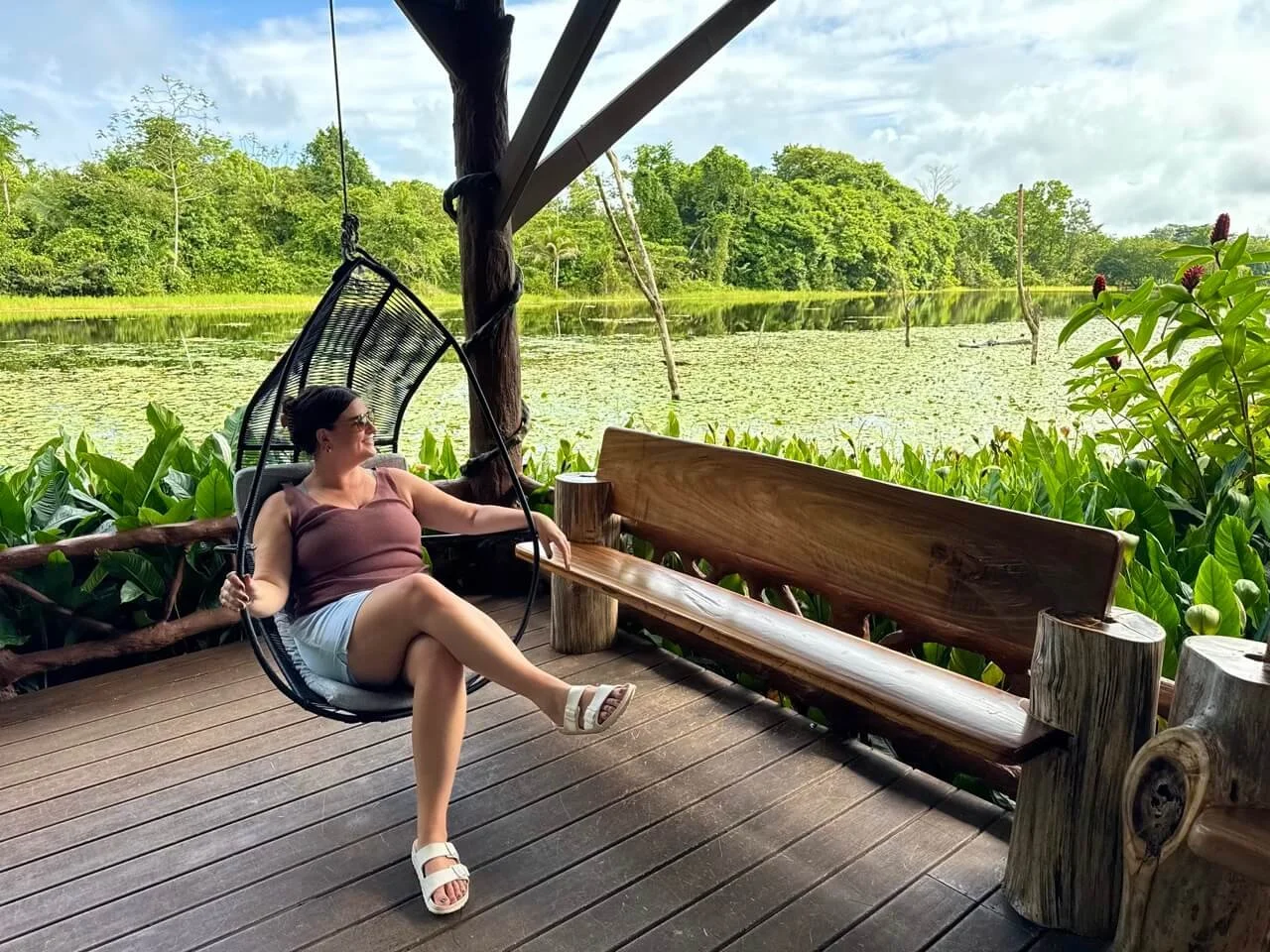
Lagoon views at Maquenque Eco Lodge
Since there are so many different types of rainforest accommodations in the country, it can be a bit overwhelming to choose the one that’s right for you. First and foremost, understanding what you’re looking to get out of the experience is a must. Are you looking for more boutique or rustic experiences? A luxury retreat? A nature-forward visit with a lot of wildlife viewing? A certified eco-resort? These are all questions to consider before planning you trip.
Here are a few things Chris and I consider before booking a rainforest stay:
Types of Accommodation: You can stay at anything from rainforest lodges with multiple connected rooms to private accommodations that are far apart in the rainforest. Each type of experience has different advantages—lodges with amenities are easier for groups or those travelling with young families. More remote accommodations mean you may have to walk through the rainforest to the central dining area or to access the property’s amenities. The most common accommodation types are:
Private rooms—typically in a more lodge/hotel style accommodation with more travellers around and less wildlife
Bungalows—close access to nature, but you’re typically on the ground and closer to potential critters.
Treehouses—high up in the tree canopy, with less critters but potentially more insects.
Remote vs. Connected Locations: If you’re staying deep in the rainforest at a remote resort, these are one-of-a-kind experiences. But if you like to get to know towns, cities or check out local restaurants, it can sometimes be challenging to leave these resorts. It often means you’ll need to be reliant on the resort for all of your meals and experiences, which is good food for thought.
Available Experiences & Amenities: Does the resort offer guided nature hikes or other experiences? Or will you be on your own to plan excursions? Depending on the way you like to travel, this is something to consider. In terms of amenities, thinking about pools, hiking trails or walking paths, and even restaurants is important when choosing where to stay.
Ownership of the Property: Is the property locally owned and run? The more Chris and I travel, the more we try to focus on locally owned properties and experiences. There are a lot of people who have moved to Costa Rica from other countries (or large international organizations) to start tourism businesses, which doesn’t always mean your tourist dollars are going back into the local economy.
Read Reviews (with a grain of salt): Reviews from multiple platforms (Expedia, Booking.com, Trip Advisor, Google, etc) are helpful to understand the unique offerings of each rainforest accommodation, but bear in mind that sometimes the people most interested in leaving a review are also the ones who are most likely to complain. Filter reviews for the information you’re looking for (on-site restaurants, rustic/luxury room experience, staff, property, etc.) to help you make your final decisions.
Accessibility: If accessibility is essential for your stay, you’re going to want to make sure you do a lot of research into making sure a rainforest resort will be the right call for you. Many have more rugged trails and paths to access shared spaces and accommodations, so triple checking this before booking is best.
Popular and Less-Visited Rainforest Regions
While many species and wildlife can be found across the country, some of the country’s rainforests are located in the country’s lowlands, and others are in the highlands. Depending on where you stay, this means there may be some variation in the species you see. If wildlife viewing (from a safe distance) is a priority for your trip, then it might be a good idea to visit a few different regions on your trip.
Popular Rainforest Regions

Doña Ana Waterfall at Hotel Quelitales in Cartago
Monteverde Cloud Forest Reserve: Located in Puntarenas and Alajuela provinces and home to over ten thousand hectares of cloud forest, Monteverde is home to more than 160 species of amphibians and reptiles, several bird species, and the largest number of orchids in the world. People typically stay in and around the region of Monteverde when they visit here.
Arenal Volcano National Park: Another park that’s over ten thousand hectares of rainforest in Alajuela province. It’s home to several animals like monkeys, jaguar, deer and coati, but it’s especially popular with birders and home to over 850 species. Chris and I spent some time near Arenal in and around the city of La Fortuna during our time here.
Tortuguero National Park: Located on the northern Caribbean coast in Limón province, Tortuguero covers over 30,000 hectares of protected ocean, lowlands and hills. It offers a protected space for sea turtles on its shores and is home to a wide variety of birds, amphibians, reptiles and mammals. Travellers often stay near the town of Tortuguero for a visit here.
Lesser Visited Regions
If you’re looking for more of an off-the-beaten path experience in a remote rainforest, it’s worth checking out some of the regions that are lesser visited by travellers to the country. I would argue that these regions had some of my favourite rainforest experiences because they weren’t over developed or crowded with large groups of tourists, so the wildlife had plenty of uninterrupted spaces to roam freely.
Tapantí Macizo de la Muerte National Park, Cartago Province: This park is over 5x the size of Monteverde and Arenal, with midland rainforests, waterfalls, over 40 mammal species and 400 bird species. Visitors to the park can stay in nearby Cachí, which is famous for its coffee plantations.
Reserva Natural Maquenque, Alajuela Province: This reserve is a similar size to Tapantí, in some of the country’s lowest lowlands. It’s a wet region that sees thousands of millimetres of rainfall each year over its rivers and wetlands. It’s home to a wide variety of amphibians, reptiles, birds and reptiles. Visitors to the park can stay in the small nearby town of Boca Tapada.
The two boutique rainforest resorts we visited during our trip are actually located in these two regions, which I’ve shared more about below.
Boutique, Locally Owned Rainforest Resorts We Loved in Costa Rica
Maquenque Eco Lodge, Alajuela Province
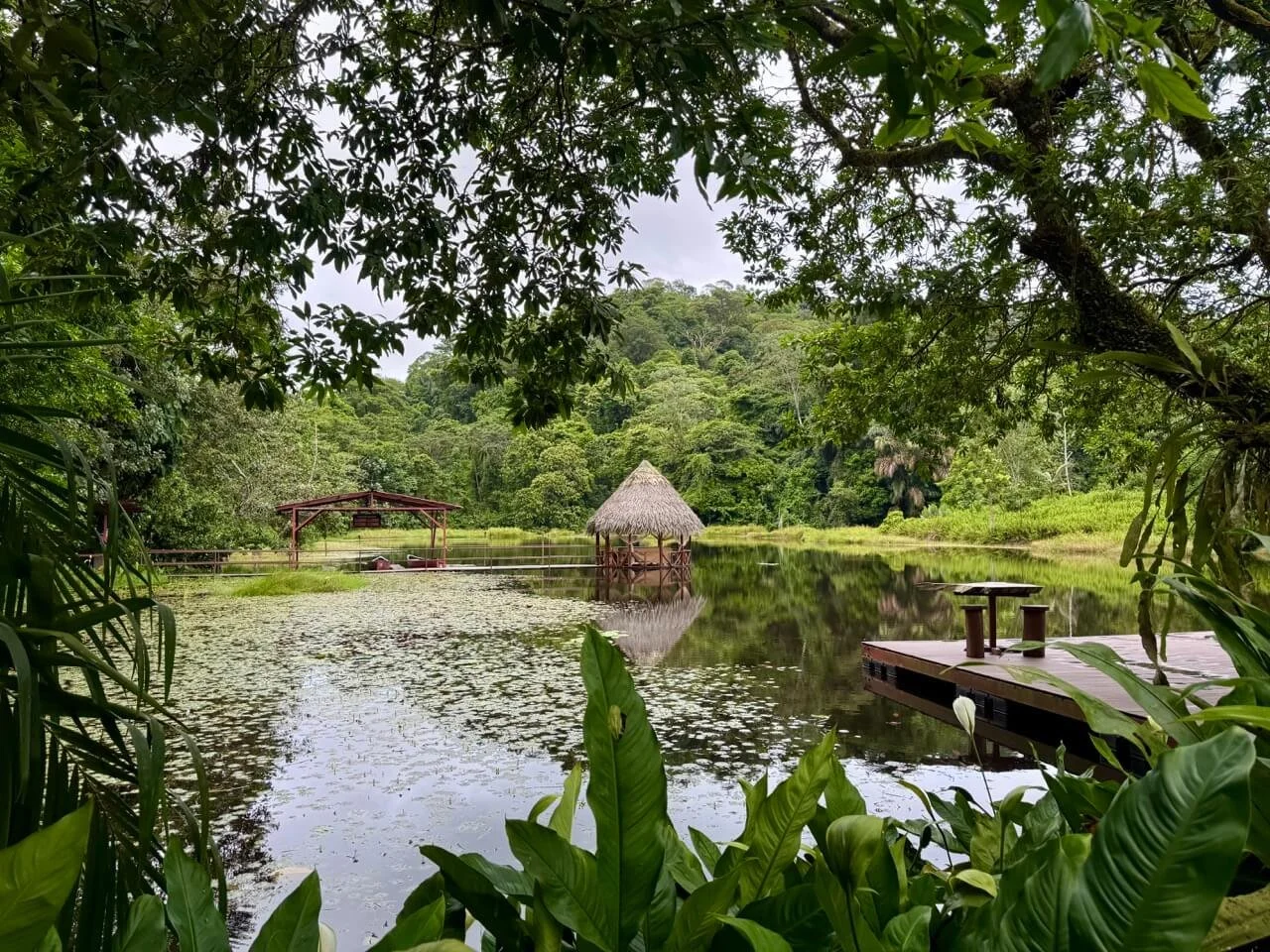
Maquenque Eco Lodge
Maquenque is located in Costa Rica’s northern lowlands, which is a little off the beaten tourist track in the country and makes it all the more worth it for getting deep into the rainforests here. Maquenque is 100% Costa Rican owned and run, and began as a small family farm that turned into a boutique resort in the rainforest.
You’ll need to hire a rental car or arrange transport in advance to and from the property, since it’s in such a remote place. The lodge is just outside the small town of Boca Tapada, which is close to the Nicaraguan border on the San Carlos River right next to Maquenque Wildlife Refuge. When you arrive, you’ll need to park and leave your car in the small parking area on one side of the river, and then take a quick ferry across the river to access the actual resort.
The property is large, and all bungalows and treehouses are spread out throughout the rainforest in attempts to reduce the impact on wildlife and their ecosystems. Walking through the gravel paths throughout the rainforest is a big part of staying at Maquenque. There are options for transportation throughout the resort, but if accessibility is an issue, this might not be the best property for you.
Chris and I loved our experience staying in our remote treehouse at Maquenque. The staff are friendly, and despite sharing the resort with other travellers, a visit here still feels quite private to soak in all the natural beauty. Here’s what we loved about Maquenque:
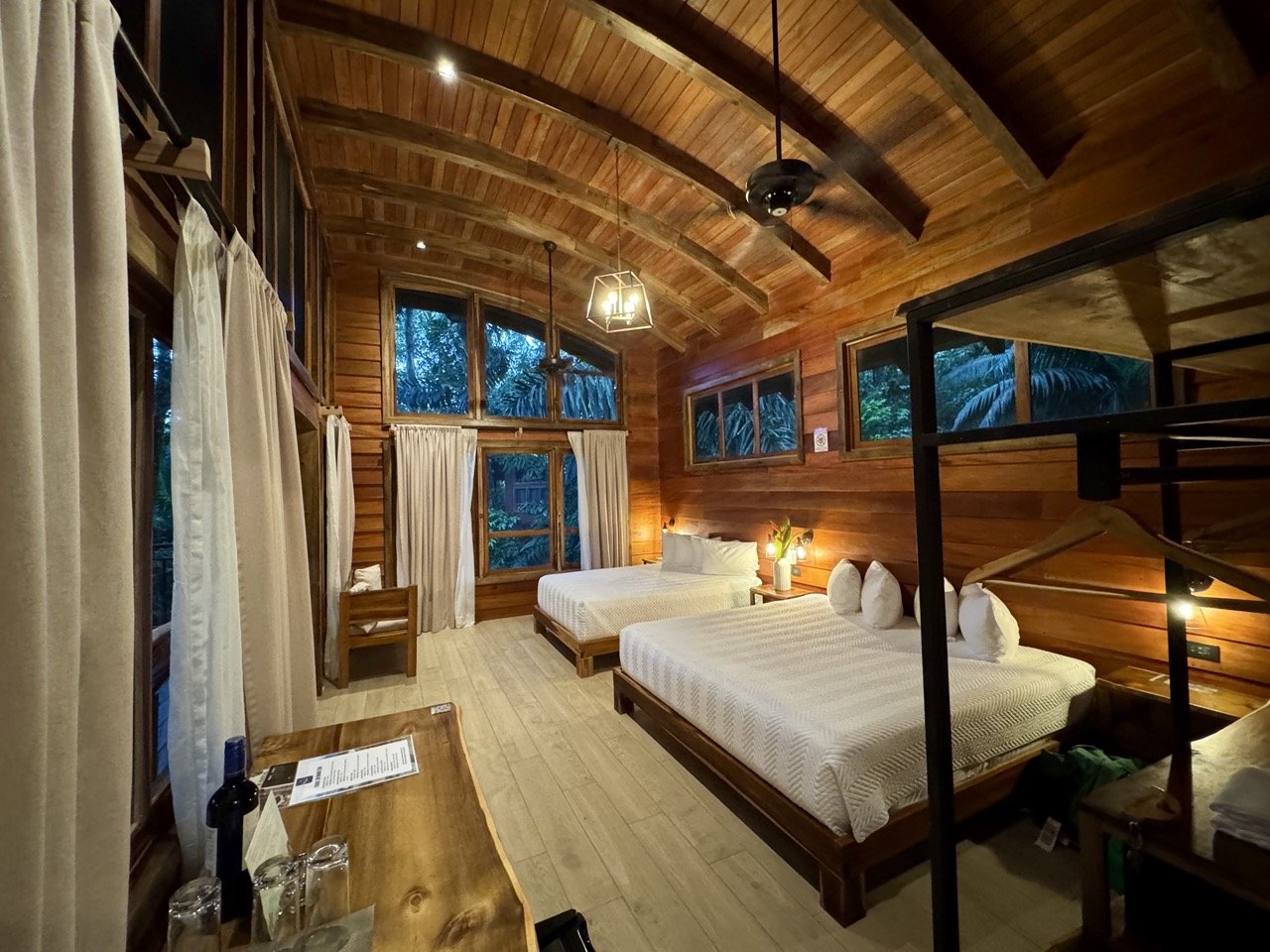


Our Treehouse: Chris and I stayed in the Manigordo treehouse, which is one of the newest deluxe treehouses at Maquenque. We were told it’s also one of the highest treehouses at the resort, and we were really at eye level with the forest canopy. It had all the amenities you’d need and then some—indoor and outdoor shower, outdoor jacuzzi, ceiling fans, a mini-fridge, kettle, and sitting areas inside and outside. At first we were a little surprised we couldn’t close any “windows,” since it’s mostly open-air screens throughout the treehouse, but it was enclosed enough for bugs and wildlife that we were able to feel connected yet still separated from the rainforest at night.
Guided Experiences & Wildlife Viewing: Maquenque offers several different guided tours that visitors can enjoy for an additional fee. Chris and I took two guided experiences, both of which happened to be with the same guide, José.
Night Walk: We met after dark and walked through different areas of rainforest with flashlights and saw species like a Bothrops asper pit viper (one of the most venomous snakes in the country!) and the famous Red-eyed tree frog.
Farm and Chocolate Tour: We headed to the property’s farm to learn more about the uses and traditional ways of growing and preparing cane sugar, coffee and cacao. We also got to meet the farm’s cows and goats. A lot of what’s produced on the farm is used in the resort’s kitchen, including cheese from their goats and many fruits. Not all eco lodges have this kind of self-sustaining farm, so it was nice to check out.
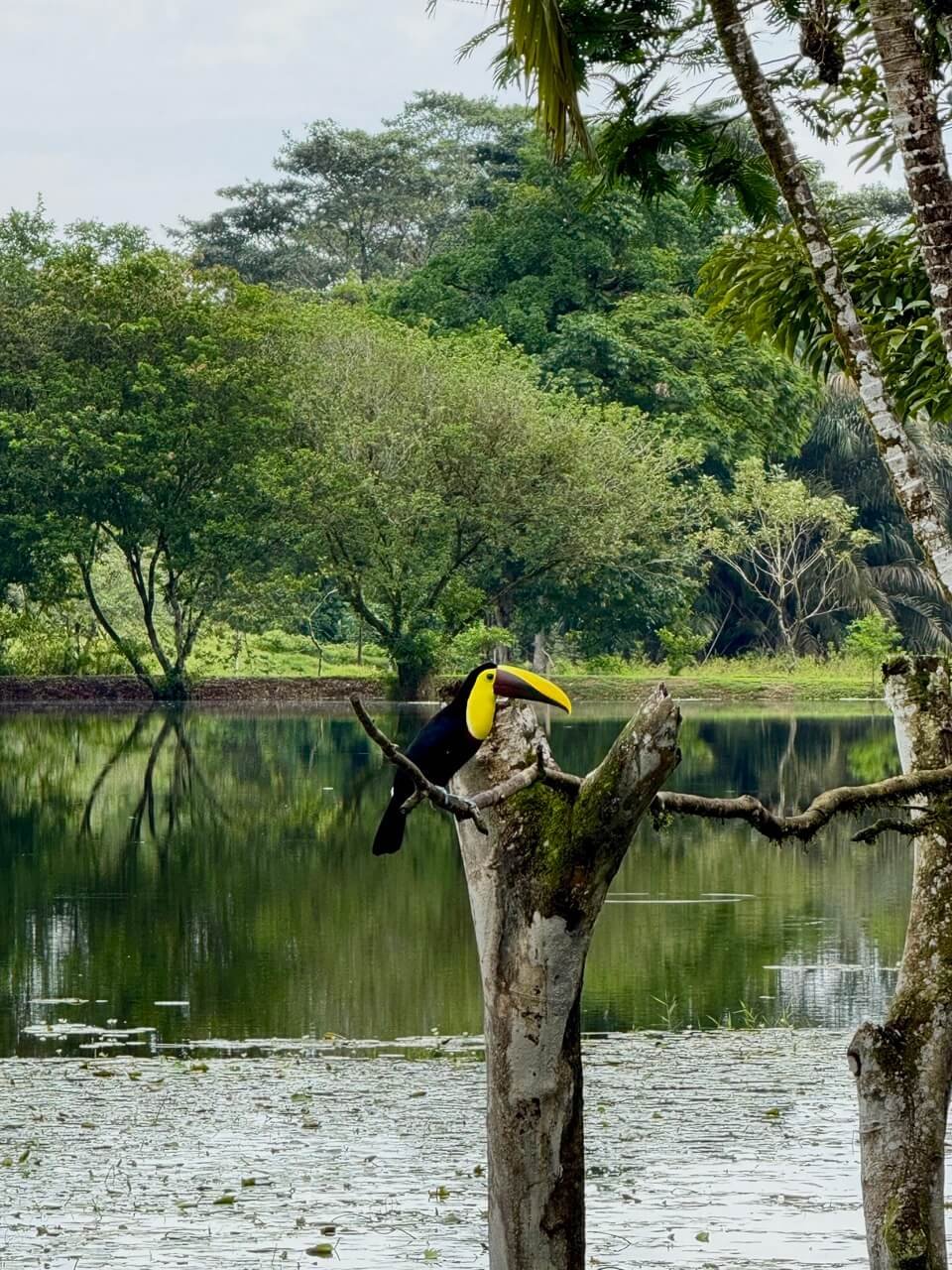
The Amenities: We visited at the end of rainy season, so we weren’t able to enjoy all of the lodge’s amenities to the fullest, but we still appreciated what they had on offer. Maquenque has a full restaurant on-site for all meals (you can expect to see some impressive birds from restaurant during breakfast) an outdoor pool and spa services. For activities, there are several walking trails that you can take throughout the property, in addition to taking out a canoe onto some of their lagoons. There are even morning yoga sessions overlooking one of the lagoons.
We really loved our visit to Maquenque and it would have only been improved if we had a little more time to stay here! If you’re interested in booking your own stay, you can do so here.
For stays of two nights or more, I would suggest bringing a few snacks with you to keep in your mini fridge (away from wildlife), as you are far away from most places, and there aren’t really good opportunities to buy snacks outside of ordering full meals at the restaurant.
Hotel Quelitales, Cartago Province
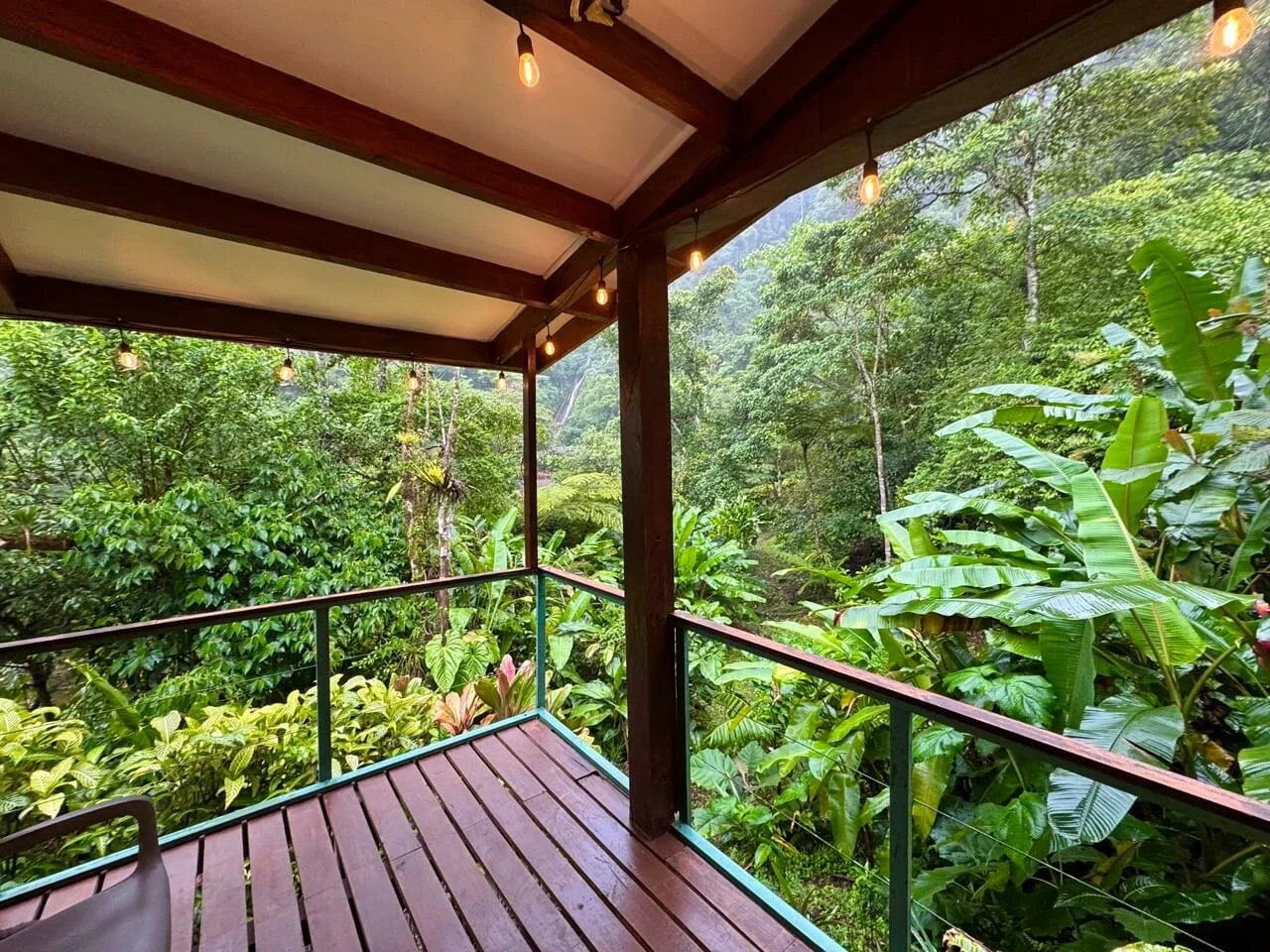
Rainforest and waterfall views from one of the suites at Hotel Quelitales
Chris and I came to Hotel Quelitales for lunch at their on-site restaurant, Casa José, and a bird watching walk around the property, but we wished we could have stayed longer. Visitors come here from far and wide to enjoy bird watching, but there are so many more reasons to stay. Whether you’re an avid birder or are just looking for a quiet, peaceful boutique getaway to the rainforest, Hotel Quelitales is the place to go.
The hotel is located in Cartago Province near the town of Cachí. The region is well known for its awe-inspiring highlands and mountains, rainforests and coffee plantations. The owner of the hotel and restaurant, José Álvarez, grew up just a short distance from where the hotel is today. He spent decades working in tourism and hospitality, from being a chef to working in hotel management, but he’d always dreamed of opening his own place closer to where he was from, and his dedication to this dream shows.
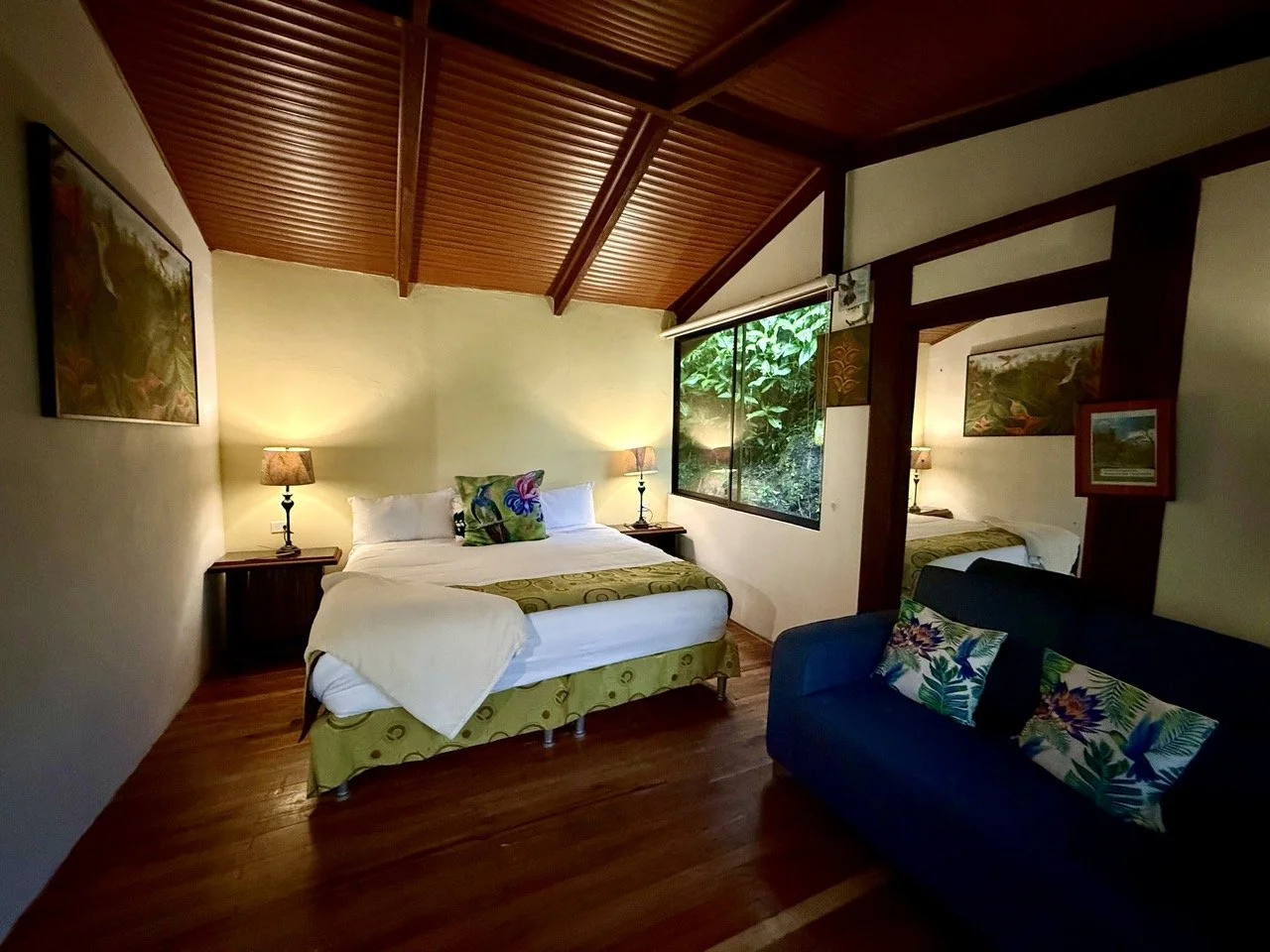
This boutique property has a small variety of private and semi-private bungalows, cabins and suites, each in their own remote location. Some of the bungalows offer beautiful views of the nearby waterfall, and some have private outdoor showers. All of the rooms have peaceful outdoor spaces to sit, relax and listen to the rainforest around you. Here’s what we loved about the property:


Casa José Restaurant: José’s years of experience as a chef really shines through at his restaurant. As a guest here, you can enjoy breakfast, lunch or dinner at the restaurant, and make sure you indulge in some hyper-local, organic coffee and dessert during your stay, too. The menu has a diverse array of offerings, but we loved the meals inspired by local flavours and his upbringing, like Fresh Watercress Salad (a staple in Jose’s family growing up) and the Country Tenderloin. He also makes amazing homemade desserts like crepes and flambéd bananas
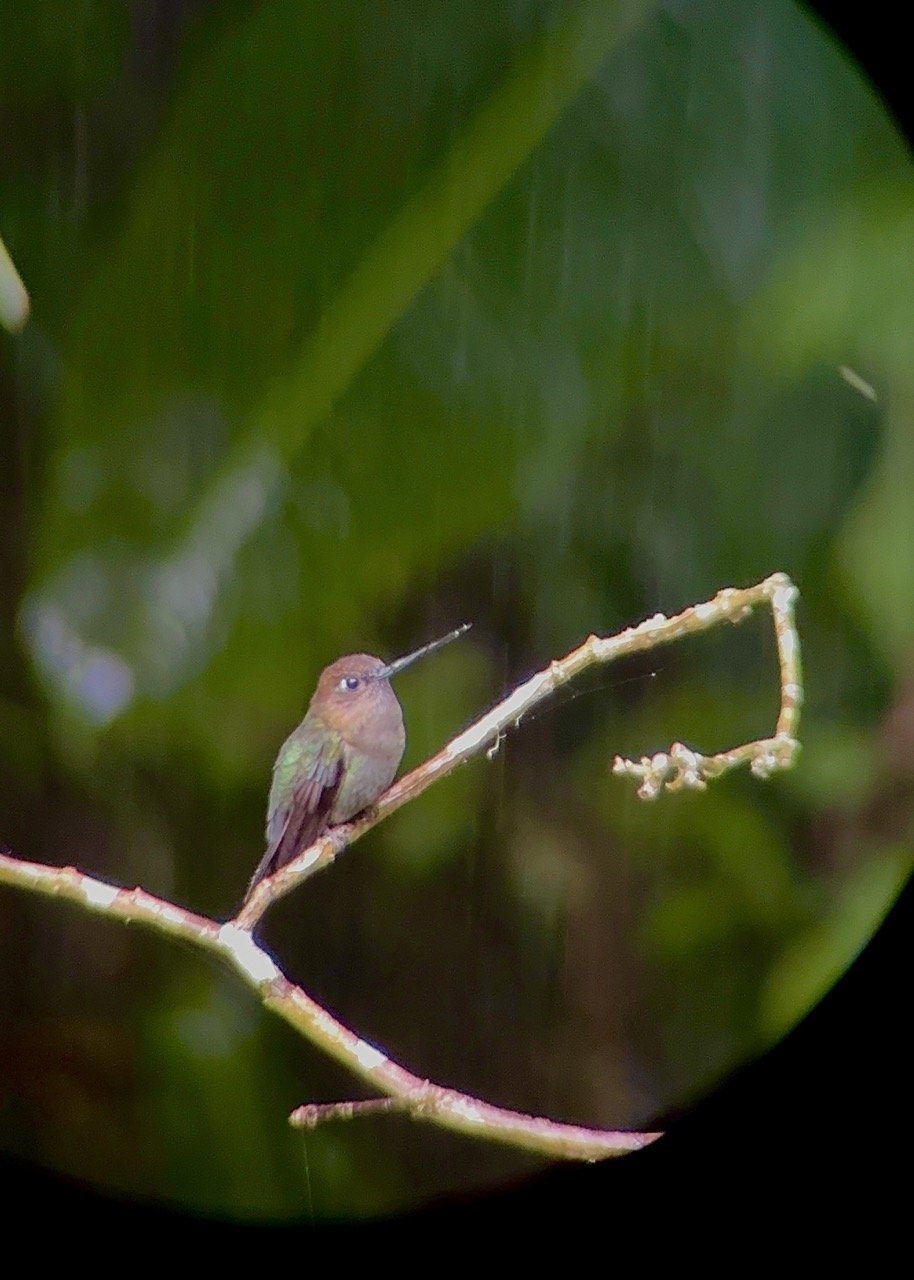
Birdwatching: Because of its uniquely situated location in the highlands more or less in the middle of Costa Rica, Hotel Quelitales attracts bird species from both the Atlantic and Pacific coasts, and sees birds that spend their time in both the highlands and lowlands. You can see birds right from your table in the restaurant or anywhere around the property. We saw so many different species of birds including hummingbirds, Montezuma oropendolas, Great kiskadees and more.
Nature Trails & Waterfall: Since the hotel is located in such a remote area high up on a hill, it’s an especially peaceful property. We didn’t have time during our visit, but there are several nature trails and hikes up the mountain behind the property, and the picturesque Doña Ana waterfall flows near the back of the property. If you come at the right time of year, you’re even welcome to swim in the pool below the waterfall! It’s hard to put into words just how peaceful this place is.
Local, community spirit: José has several local employees who help to run the hotel. He mentors them in hospitality, culinary and tourism practices, and even arranges transport up the unpaved road (4X4 vehicles required!) to get to and from the property. José exudes kindness and warmth, and it’s clear that staying here means you’re supporting a completely local initiative, with staff who are passionate about the natural beauty and wildlife they’ve grown up knowing.
Hotel Quelitales makes a good base to explore more of Cartago Province, from reaching the high climes of Irazu Volcano (the highest volcano in Costa Rica, and the second highest point in the country) to touring local coffee plantations.
If you’re keen to look into booking a stay at Hotel Quelitales, click here.
Lessons and Memories from Our Rainforest Stays

Hotel Quelitales
Of course there was no way that Chris and I could or would attempt to stay at every rainforest property in the country, and nor should you. There are many other popular rainforest resorts to stay at in Costa Rica, like Chachagua Rainforest Hotel in Alajuela or Nayara Tented Camp in La Fortuna, and the list goes on.
My goal putting together this guide is to help you feel more comfortable researching and making your own decision about where to stay on your trip. The beauty of choosing a stay in Costa Rica is that there are so many different types of properties, each more unique than the next.
Wherever it is you choose to head for your rainforest experience, I hope it brings you the opportunity to take a moment to slow down and be present, and reflect on just how small you can feel surrounded by the rainforests. It’s a privilege to be able to soak in a travel experience like this, and be able to share it alongside the local Costa Ricans who have known and respected these rainforests and their species for far too long.
I’d like to thank Visit Costa Rica for hosting Chris and I as media for this trip. All opinions expressed in this article are entirely my own.

Bri Mitchell
Bri Mitchell is a travel writer and content creator from Toronto, Ontario. She loves to highlight all things nature, food, wellness, sustainability and adventure in her work. Bri writes and shares her travel experiences from across Canada, the United States and around the world on Instagram and TikTok (@brimitchelltravels); in her articles for travelingmitch, Ultimate Ontario, and We Explore Canada; and in her weekly travel newsletter, The Weekly Traveller.